Quick Answer: What Does EV Charger Installation Cost in Orlando Depend On?
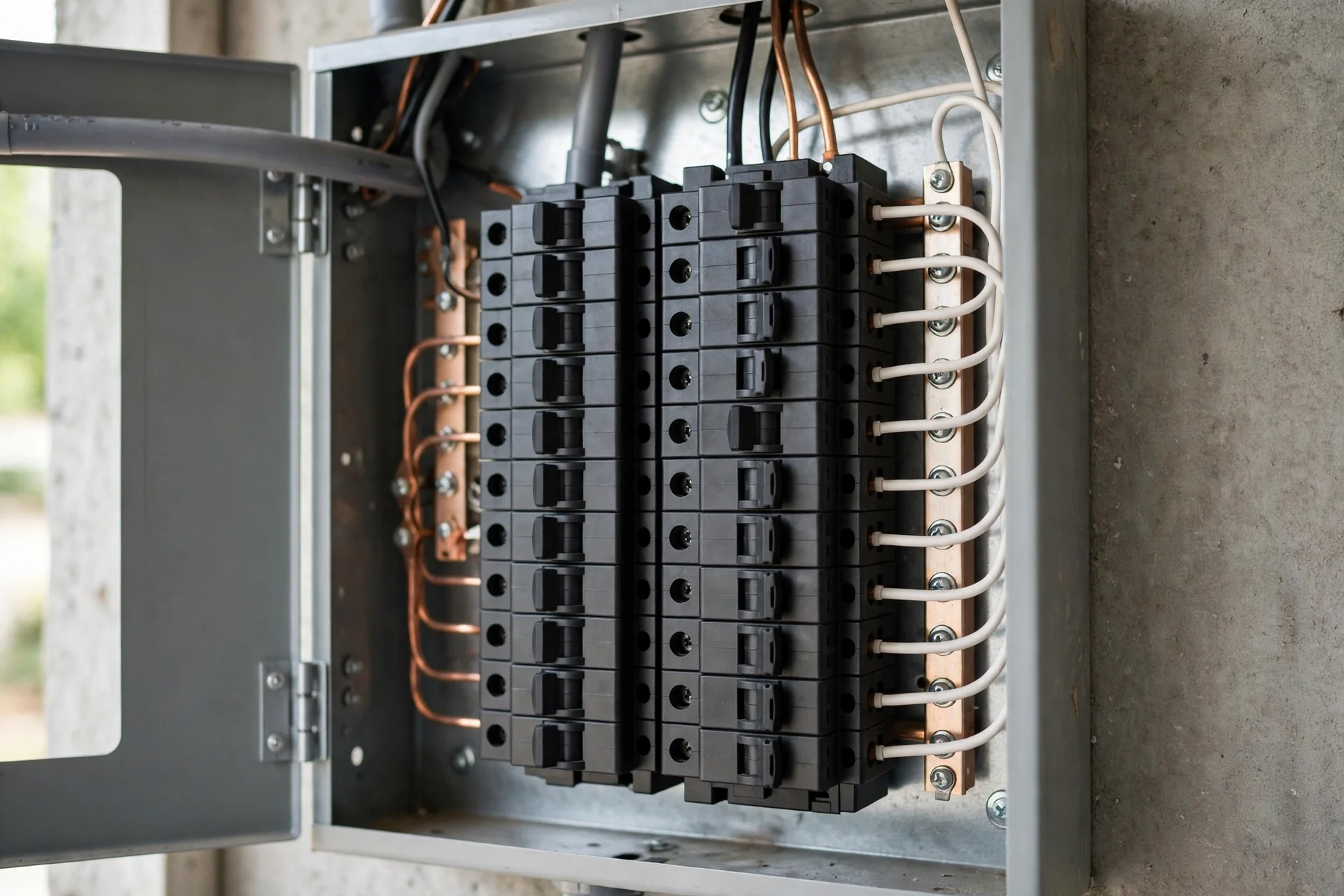
EV charger installation cost in Orlando is a price for a scope of work, and the scope varies far more than the charger itself does. The charger unit is one part of it, and often not the part that varies most. The larger variables are electrical: whether your panel can feed a new dedicated circuit as it stands, or whether it needs a load management device, a panel change, or a service upgrade first. Then comes the run: a panel ten feet from the garage wall is a different job from a panel on the opposite side of the house, or a detached parking pad that needs an underground run. Then the charger choice and the mounting: hardwired versus plug-in, wall versus pedestal, a basic unit versus one with power sharing for a second car. Then the administrative and site items: permits and inspection, trenching and restoration, and any existing wiring that needs correcting before new work can be added safely.
The honest version of the answer has two parts: the typical ranges installers and national platforms publish for each kind of job (the next section), and the factors that decide where your home lands inside them (the rest of this article). If you want the shape of a typical visit first, our article on what to expect during installation describes the appointment itself, and the panel upgrade guide covers the single factor that most often changes a job's scope.
What Do Orlando Installations Typically Cost? Published Ranges, in Plain Terms
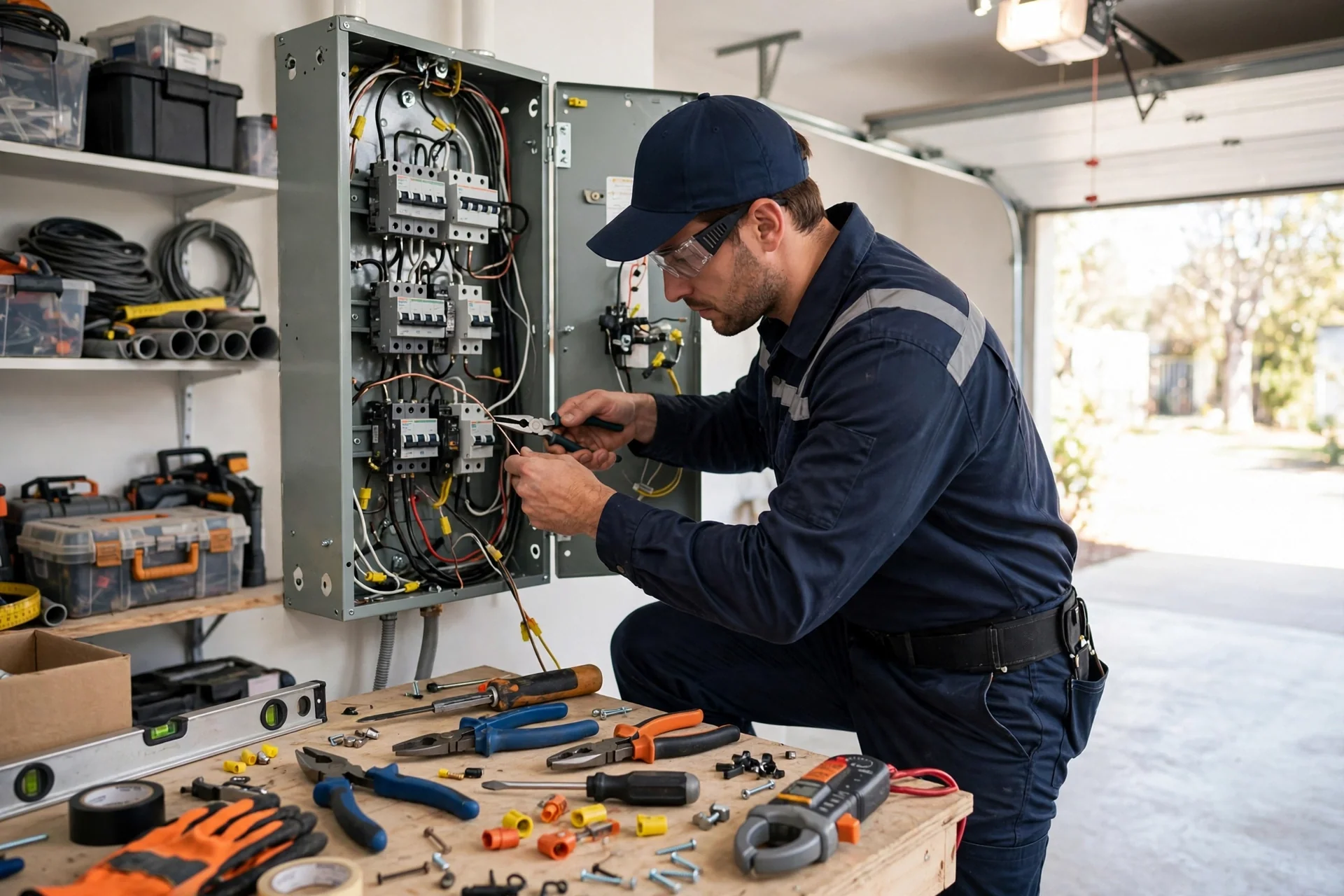
Ranges below are the ones Orlando-area installers and national home-service platforms publish for typical jobs — treat them as orientation, not quotes, because the factors in this article move any specific home within (or occasionally outside) them.
- Installation labor and circuit work for a standard Level 2 job — a new dedicated circuit on a panel with spare capacity and a short run — is commonly published in the range of about 500 to 1,500 dollars, before the charger itself.
- The complete job, charger included, most often lands between about 800 and 2,500 dollars for a typical single-family home with a straightforward run.
- Orlando anchors sit at the simple end: local installers advertise basic installations from about 599 to 950 dollars for short-run jobs on panels with room — which is exactly the simple case described above.
- Panel or service work is the big adder. When the load calculation says the panel cannot carry the charger, a panel or service upgrade commonly adds about 2,000 to 5,000 dollars — the single largest line on any quote, and the reason section 1 of this article comes first.
- Permits are real but modest. Nationally, EV charger permits typically run about 45 to 720 dollars with an average near 297 dollars; Orlando installers report basic permit fees around 77 to 100 dollars, with some full-service quotes carrying 225 to 425 dollars of permit and administration. A permit line on a quote is not padding — it is a real cost, and skipping the permit to save it creates problems the permit guide spells out.
How to read an itemized quote. A trustworthy quote separates the job into lines you can question one by one: the charger unit (or a note that you supply it), the circuit work (breaker, wire, conduit, receptacle or hardwire), labor for the run, the permit and inspection, and any panel work the load calculation justifies. If a quote is one lump sum with no breakdown, ask for the lines — a quote you cannot read is a quote you cannot compare. And if one quote is dramatically cheaper than the others, look for the missing line: it is usually the permit, the panel work the load calculation actually requires, or the industrial-grade receptacle a plug-in install needs. Quote shock usually comes from comparing a complete quote against an incomplete one.
1. Panel Capacity: The Factor That Changes Everything
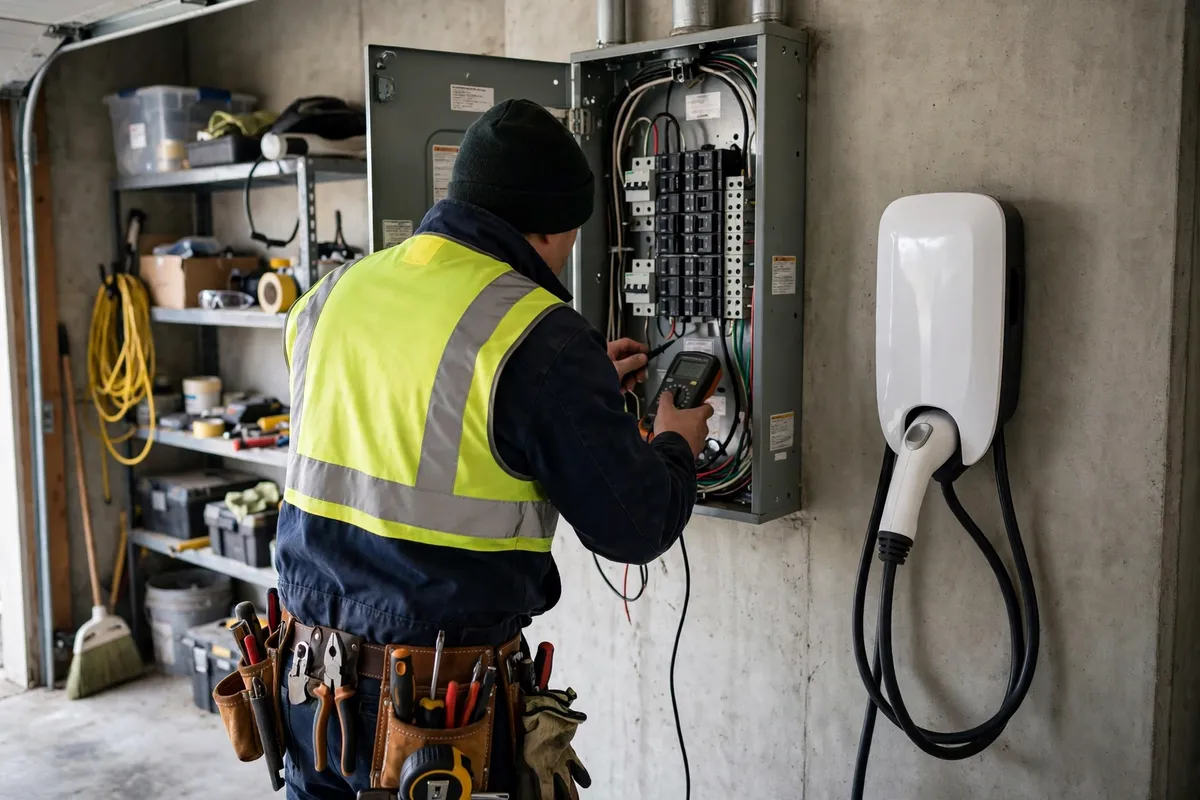
Every installation starts at the panel, and the panel decides more than any other single item. An electrician performs a load calculation — a formal accounting of everything the home's electrical service already feeds, from air conditioning and cooking to laundry and pool equipment — and compares it with the service size and the panel's remaining capacity. If the calculation shows room for a new dedicated charger circuit with margin to spare, the job proceeds on the existing panel. If it does not, the scope grows, and the options, in increasing order of work, are: set the charger to a lower current that the panel can support, add a load management device that throttles the charger when the house is busy, replace or expand the panel, or upgrade the service itself.
This is why two identical houses can receive different quotes: the panel, not the charger, is the difference. A 200-amp service with a lightly loaded panel and free breaker spaces is the simplest case. A 100-amp panel already feeding a large home, a pool, and electric cooking is a different conversation, and our article on Level 2 charging on a 100-amp panel works through that case in detail. Age matters too: an older panel may have no free spaces, may use breaker types that are hard to source, or may be a model an electrician will not add to, and any of those pushes the scope from "add a circuit" to "change the panel."
When you read a quote, ask whether a load calculation was done and what it showed. A quote that assumes panel capacity without checking it is a quote that can grow mid-job. A quote that names the panel situation — room available, load management proposed, or panel work included — is a quote you can compare honestly with another.
2. Circuit Length and Route: Distance Is Work
After the panel, the circuit run is the next large variable. A charger circuit is a dedicated run of cable, in conduit where the location requires it, from the panel's breaker to the charger. The length of that run and what it passes through determine the materials and the labour: cable and conduit by length, penetrations through walls, routing through an attic or crawl space, and surface-mounted conduit where a concealed route is not available.
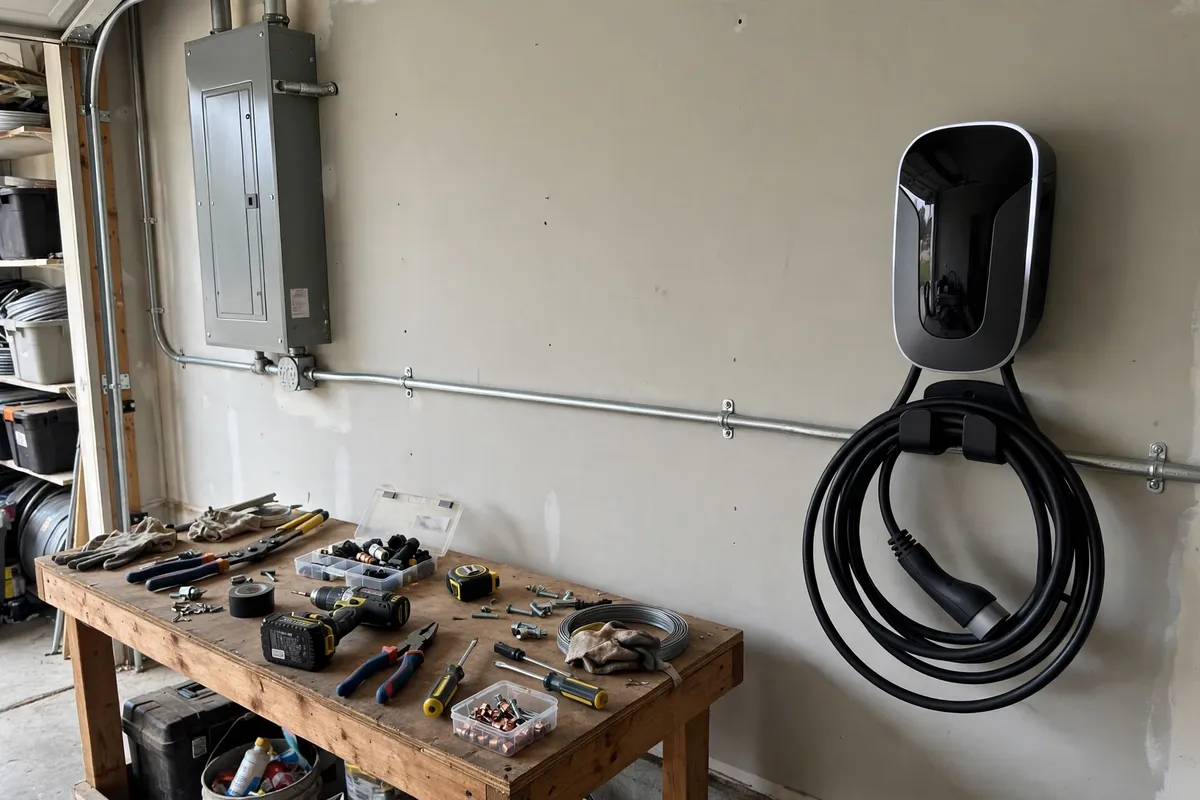
Short runs are simple: panel and garage share a wall, the run is direct, and the work is contained. Long runs add up in both materials and time, and difficult routes add more than length alone suggests — fishing cable through finished walls, working in a hot attic, or crossing a house from one end to the other. Detached parking adds another category: an underground run to a pedestal, which our outdoor charger installation guide describes, involves trenching or boring, burial depth, and surface restoration. A run that crosses a driveway or sidewalk needs a method for the crossing, and that method is part of the scope. It is the everyday reality in Piedmont and the rest of the Apopka area, where detached garages and outbuilding parking often sit a long way from the panel.
The route also decides whether the job disturbs finished surfaces. A run through an unfinished garage is one kind of job; a run through finished living space that needs drywall opening and patching is another, and the patching and painting may or may not be included in an electrical quote. Ask. The cleanest quotes state the route and what restoration, if any, is included.
3. Charger Choice: Unit, Current Setting, and Features
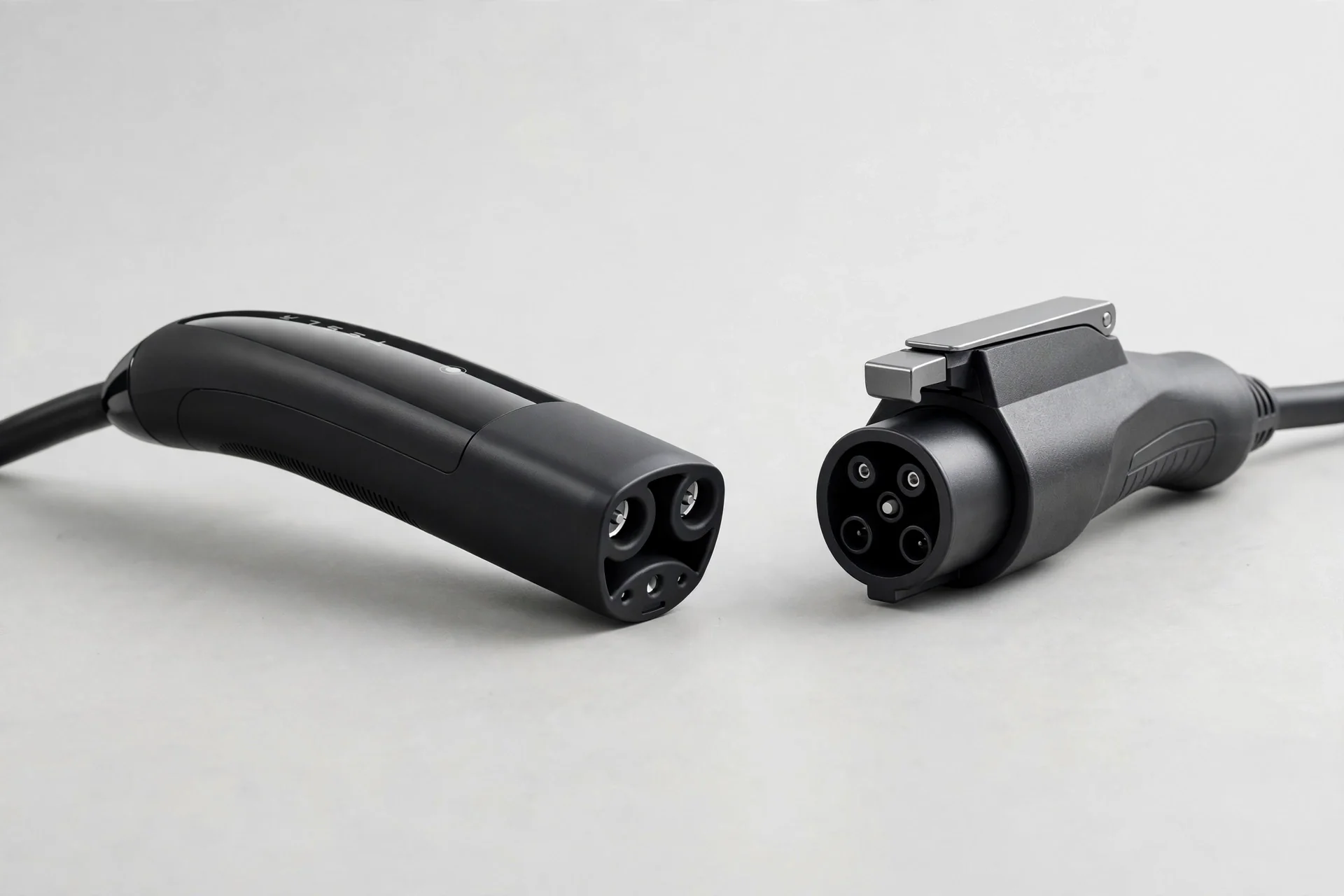
The charger unit itself varies in scope, though less dramatically than the panel or the run. The choice between hardwired and plug-in is a scope choice as much as a product choice: a hardwired unit is wired directly to the circuit, while a plug-in unit needs a receptacle installed to the standard its plug requires, with the protections that apply to that receptacle — our NEMA 14-50 versus hardwired comparison sets out the day-to-day and installation differences. Neither is universally the right answer; the choice depends on the home, the car, and whether the charger may move later.
Current setting is part of the choice too. A charger set to a higher current charges faster but demands more from the panel and the circuit; a charger set lower is gentler on both. The setting should follow the load calculation and the circuit that was actually installed, not the charger's maximum. A quote that pairs a high-current charger with a panel that cannot feed it has a mismatch built in.
Features add scope in specific ways. Power sharing for two chargers — covered in our charging two EVs guide — means a second unit and a managed group configuration. Smart and connected features mean Wi-Fi setup and app configuration during the visit. A charger with a longer cable or a pedestal mount changes the mounting work. None of these are mysterious additions; each is a line in a scope, and a quote should let you see which lines you are paying for and which you could drop.
4. Mounting: Wall, Pedestal, and Surface Conditions
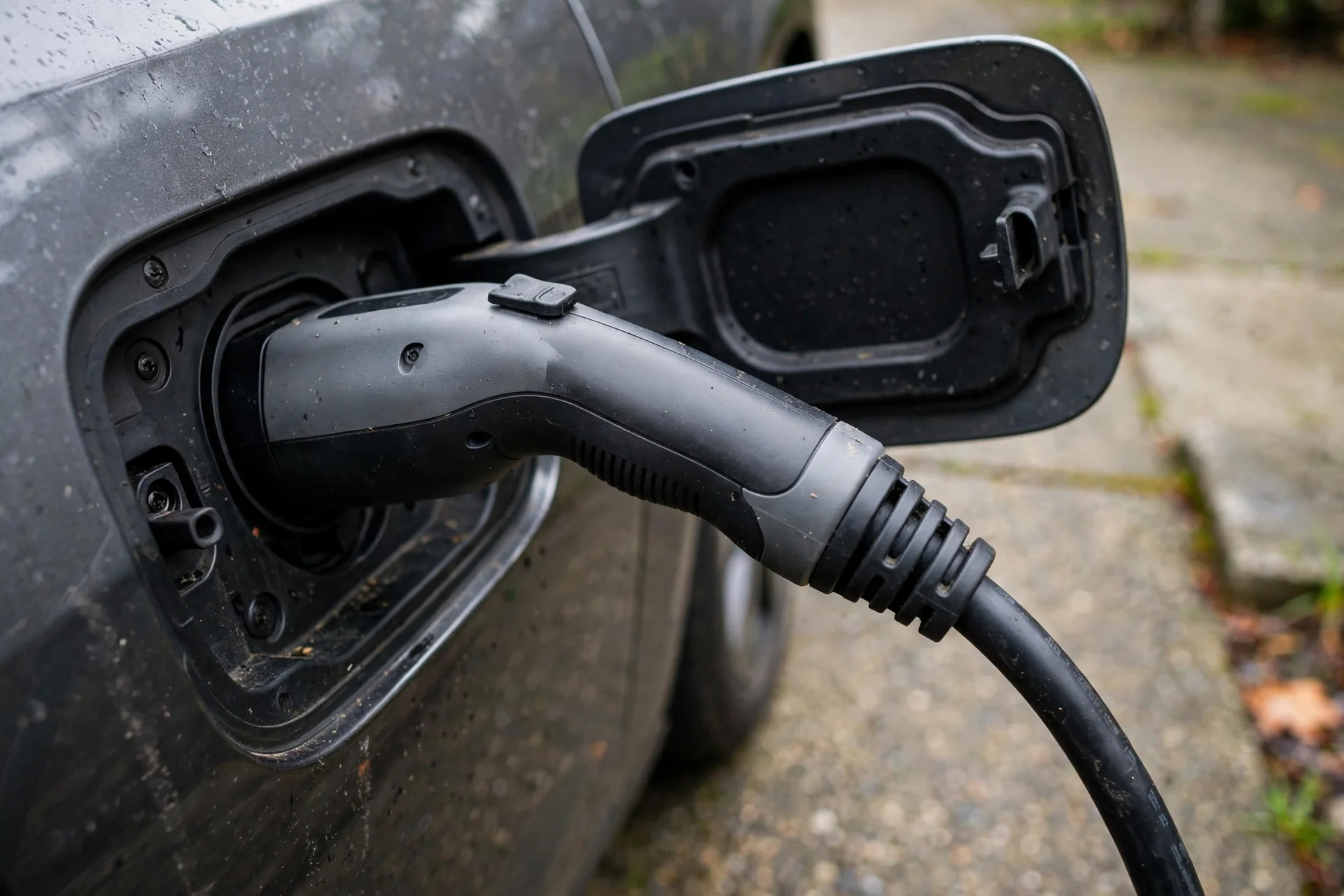
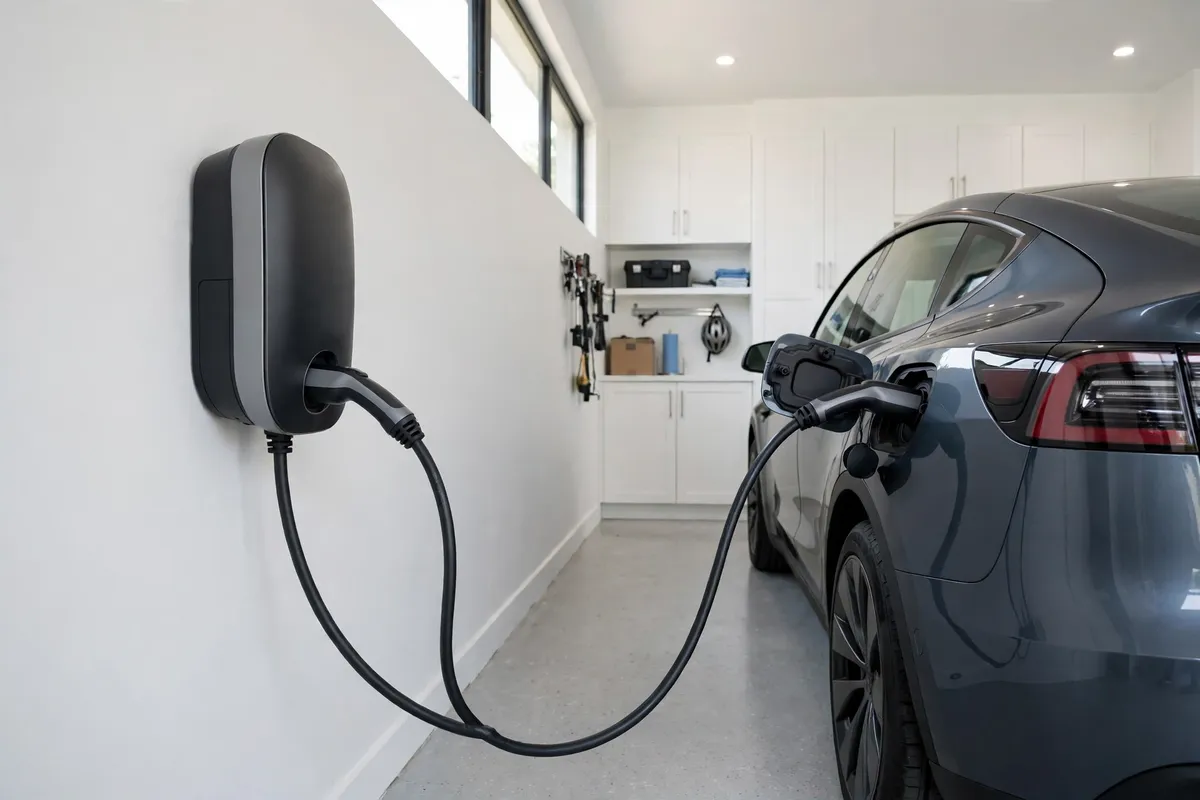
Mounting sounds minor until the surface is considered. A charger on a garage's interior wall, into studs or masonry, is the simplest mount. An exterior wall mount adds weatherproof fittings and sealing. A pedestal mount adds the post, its concrete footing, and the underground run that feeds it. A mount on a wall that needs a backing board, or on a surface that is deteriorated, adds preparation work.
Cable management is part of mounting, not an afterthought: a holster or hook that keeps the cable off the ground and out of harm's way, positioned where the cable reaches the car's port without crossing a walkway. For outdoor locations, the mount must also respect drainage and vehicle paths, as the outdoor installation guide explains. A tidy mount costs little extra and saves the cable — the part of the system that wears first — from the damage that shortens its life.
5. Permits, Inspection, and Utility Steps

Permits and inspection are a real part of the scope in the Orlando area, and they vary by jurisdiction: city versus unincorporated county, and the specific requirements each applies to new circuit work. The Orlando permit guide explains the process and the timeline, but for quote-reading purposes the point is simpler: ask whether permit fees and the inspection visit are included in the quote or billed separately, and who pulls the permit. A quote that excludes them is not necessarily a worse quote, but it is not comparable with one that includes them until the difference is added back.
Utility involvement is usually limited for a standard home installation, but it appears in specific cases: a service upgrade requires utility coordination and sometimes a meter or service-line change, and some utility programs have their own application steps. The FPL EVolution home program is a separate route with its own structure, and it should not be confused with a standard installation quote. If a quote mentions utility work, ask what triggers it and who coordinates it.
6. Existing Conditions: What the Electrician Finds
Every older home carries the possibility of existing conditions that change the scope: wiring that does not meet the current code and must be corrected before new work can be added, a panel with double-tapped breakers or damaged bus bars, grounding that needs attention, or a previous owner's improvisation that must be undone. None of these are the charger's fault, and none are visible until the panel is opened and the route is walked. They are, however, the most common source of a quote that grows during the job.
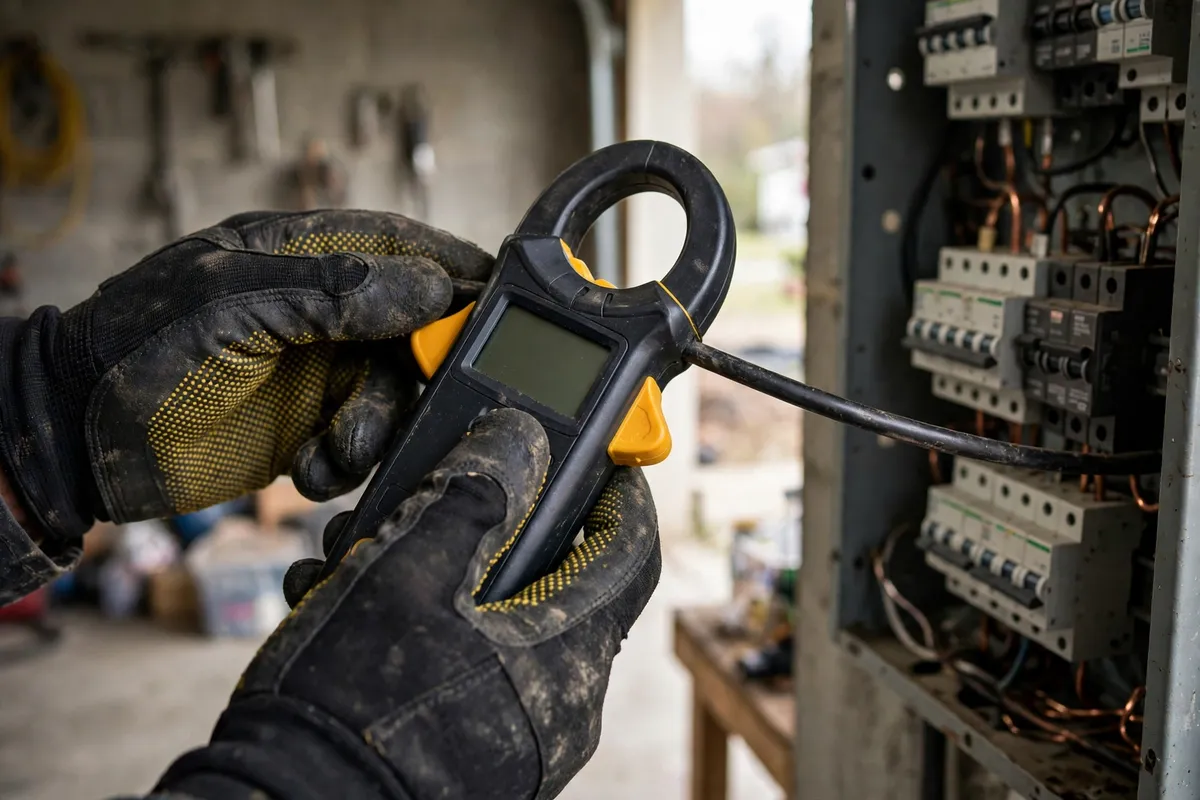
A site survey reduces this risk sharply, because the panel and the route are inspected before the quote is written rather than after work starts. Even then, some conditions only reveal themselves once work begins — inside a wall, or behind a panel cover. A fair quote states how such findings are handled: whether the installer pauses and requotes, or proceeds within an agreed allowance. Ask that question before work starts, when the answer costs nothing.
7. How to Compare Quotes Honestly
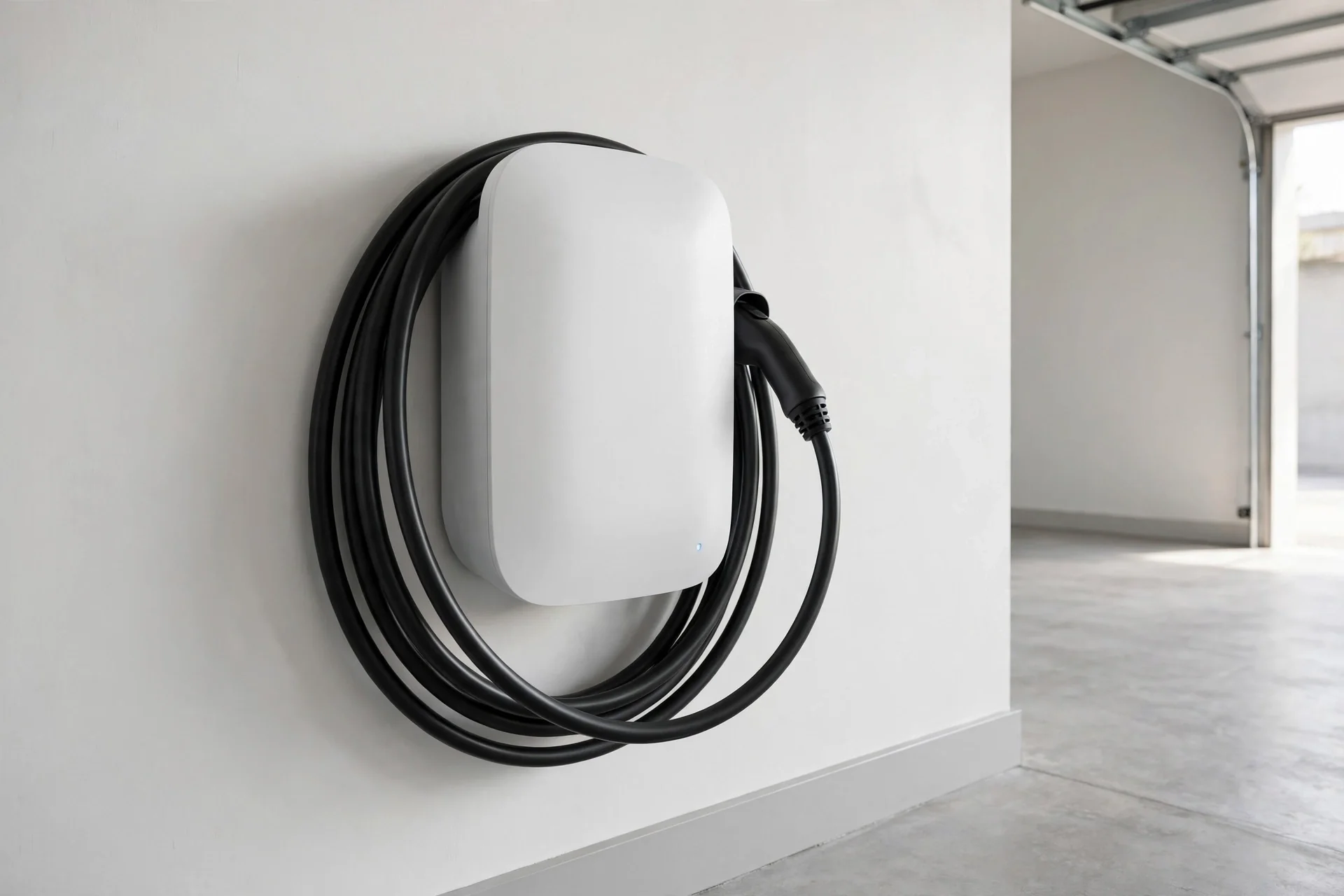
With the factors above in mind, comparing quotes becomes a matter of comparing scopes, not totals. Line up the quotes and check, for each one: was a load calculation done, and what did it conclude about the panel? What is the circuit route and length, and what restoration is included? Is the charger hardwired or plug-in, and at what current setting? Is the mount wall or pedestal, and what cable management is included? Are permits, inspection, and any utility steps included or separate? Is there a stated approach to existing conditions found during the work?
A quote that is lower because it omits the permit, assumes panel capacity, or leaves the trenching to someone else is not a lower price for the same job. A quote that is higher because it includes a panel change the load calculation genuinely requires is not an expensive version of the same job either. The right comparison is scope against scope, and the right question to any installer is: what exactly is included, and what would change it?
One more comparison trap: the charger unit alone. Two quotes can name different units at different unit prices, and the unit difference can distract from a larger scope difference in the panel or the run. Compare the whole job first, then the unit. And be wary of any quote that promises a fixed outcome before a site survey — a fixed total for an unseen panel and an unseen route is a promise the site has not yet agreed to.
8. What Does Not Change the Scope (But Feels Like It Should)
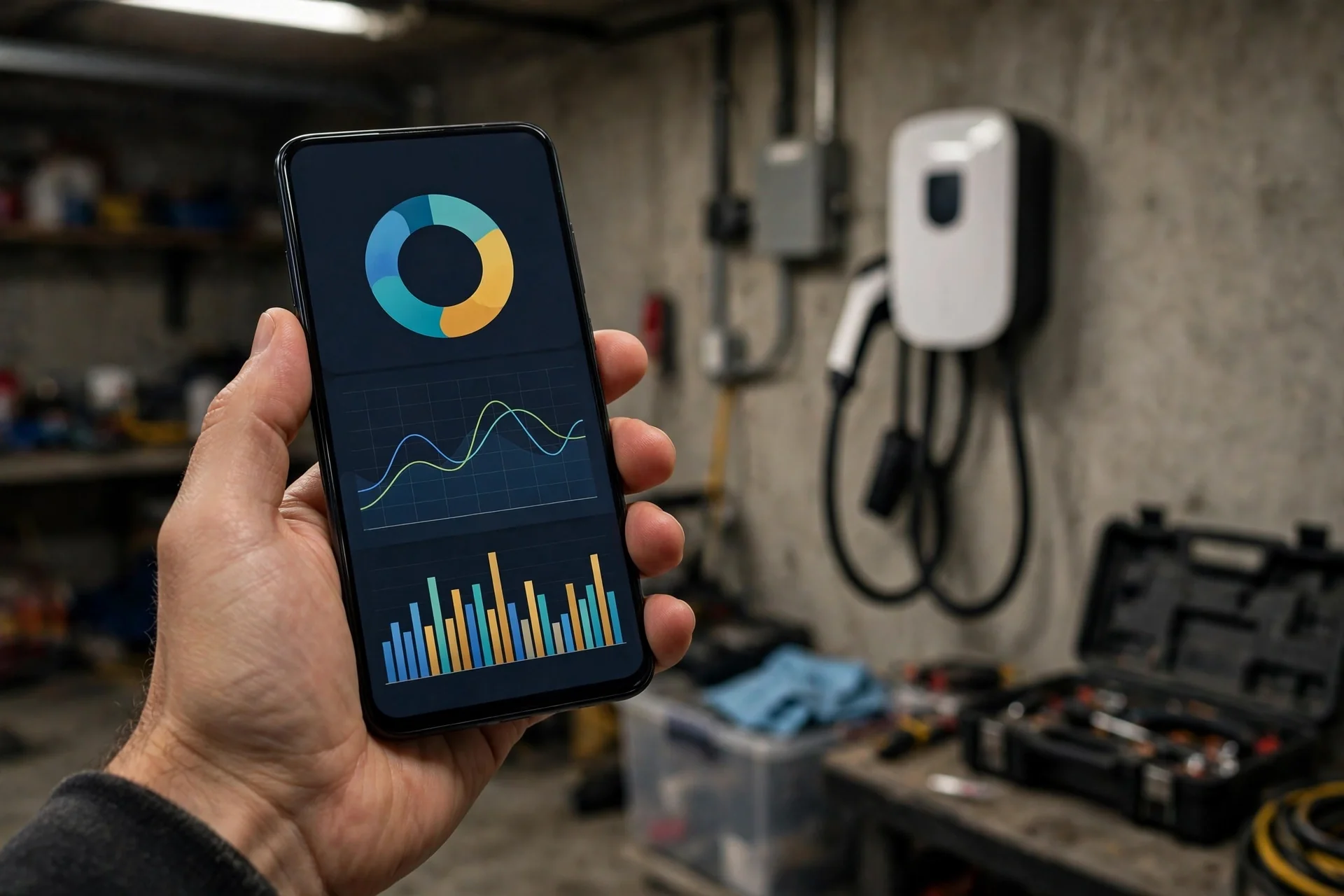
A few things that feel as though they should matter, but usually do not change the scope much: the brand of car, within reason — the charger and circuit are sized by current and connector, not by badge, and most home chargers serve most cars with the right connector or adapter. The colour of the charger. And the time of year, except where scheduling or storm-season access affects the appointment itself. Conversely, a few things that feel minor but do matter: the car's charge port location, which decides cable reach and therefore mount position; whether the car will park nose-in or backed-in, which decides the same; and whether a second EV is likely, which decides whether to plan for power sharing now rather than retrofit it later. Telling your installer about a second car on the way, or a move to a different parking spot, costs nothing at survey time and can save a second visit later.
EV Charger Installation Cost by Job Type: Level 2, Tesla, Commercial and Outlet Installs
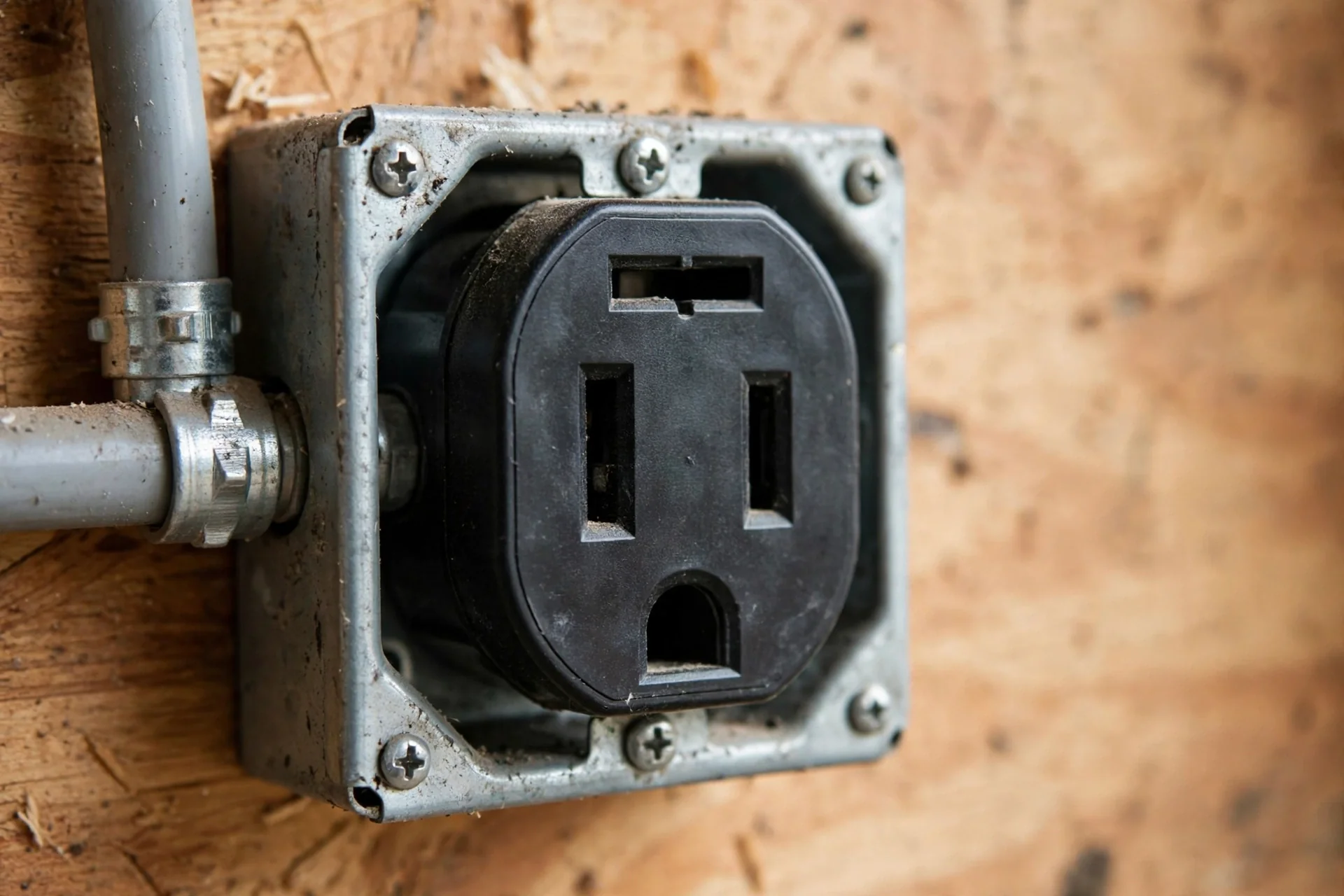
The factors above apply to every job, but they weigh differently depending on what is being installed. Here is how the cost picture changes across the four installations Orlando drivers ask about most.
Level 2 Charger Installation Cost
The standard home job, and the one most quotes describe. The cost drivers are the classic ones: the load calculation's verdict on your panel, the length of the new dedicated circuit, and the charger unit itself. Most Level 2 quotes are won or lost on the panel line — a home with spare capacity and a short run is the simple end of the range, while a full panel or a cross-house run moves the same charger into a different scope entirely. Our Level 2 EV charger installation page sets out what that job includes.
Tesla Charger Installation Cost
A Tesla Wall Connector install prices like any other Level 2 job — same circuit, same panel question, same permit — with two Tesla-specific notes. The Wall Connector is a hardwired unit, so there is no receptacle line in the scope, and its power-sharing feature means a second Tesla (or a second Wall Connector) later does not necessarily mean a second full circuit now. The Tesla Wall Connector installation page covers the setup in detail; the cost logic is the panel and the run, exactly as above.
Commercial EV Charger Installation Cost
Commercial work changes category, not just size. The scope adds items home jobs never see: multiple ports planned as a group, load management across them, trenching and restoration across a car park, access control and networking for the units, and sometimes electrical service work sized for a building rather than a house. That is why commercial quotes are built from a site plan rather than a phone description — the commercial EV charging station installation page explains how those projects are scoped.
NEMA 14-50 Outlet Installation Cost
The plug-in route swaps the hardwired unit for a receptacle, and the scope follows: a dedicated 50-amp circuit, a GFCI breaker, and — the line that separates a proper quote from a cheap one — an industrial-grade outlet built for continuous EV duty rather than a light-duty range receptacle. Panel and distance still dominate, exactly as they do for a hardwired charger. The NEMA 14-50 outlet installation page covers what that job includes and when the outlet route makes more sense than hardwiring.
Key Takeaways
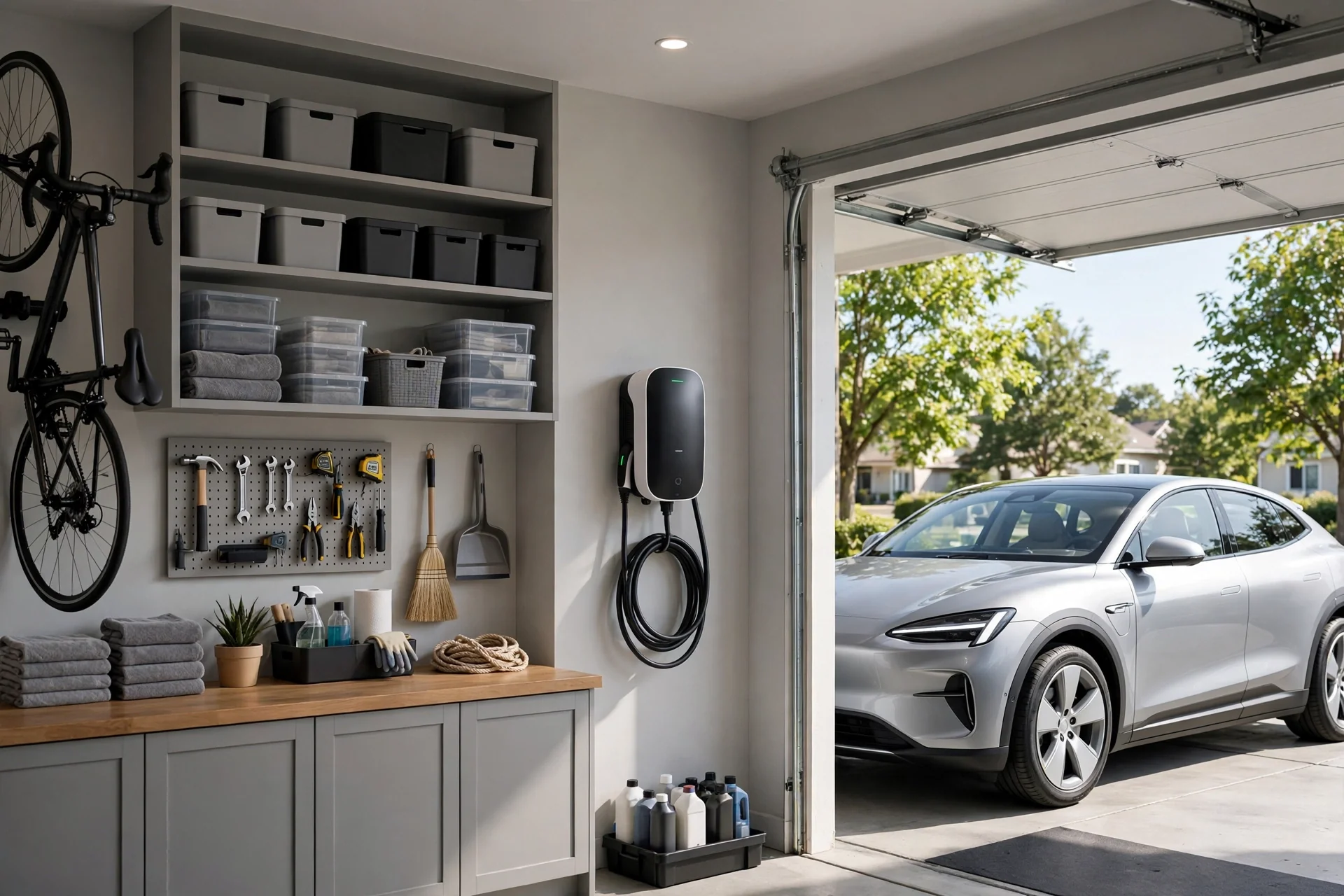
- A quote prices a scope, not a charger: panel capacity, circuit route, charger choice, mounting, permits, and existing conditions together set it.
- Panel capacity is the largest variable — a load calculation decides whether the job is a new circuit, load management, or panel or service work.
- Circuit length and route drive materials and labour; underground and pedestal runs are a different category from a short garage-wall run.
- Hardwired versus plug-in, current setting, and features like power sharing are scope lines a quote should show separately.
- Permits, inspection, and utility steps may be included or separate — compare quotes only after adding them back on the same basis.
- Existing wiring conditions are the most common reason a job grows; a site survey and a stated approach to surprises protect both sides.
- Compare scope against scope, and treat any fixed total offered before a site survey with caution.
Frequently Asked Questions
How much does it cost to have an EV charger installed?
For orientation: published ranges put the circuit-and-labor part of a standard Level 2 installation at roughly 500 to 1,500 dollars, and complete jobs with the charger included most often land between about 800 and 2,500 dollars for a typical home — before any panel work, which can add roughly 2,000 to 5,000 dollars when the load calculation requires it. Where your home lands depends on the scope this article maps: the panel's spare capacity, the circuit's length and route, the charger and how it mounts, and permits and inspection. Any figure quoted before a site survey should be treated as a placeholder — the honest version is a written, itemized quote written after someone has seen your panel and your parking spot, which is how we price every job.
What is the average cost of Level 2 charger installation?
Published national figures put a typical complete Level 2 installation most often in the 800-to-2,500-dollar range, with simple short-run jobs below it and panel-work jobs well above it. Treat any single "average" cautiously, because the range is driven by scope rather than by the charger: installations on homes with spare panel capacity and a short circuit run sit at one end, and installations needing load management, panel work, or a long or underground run sit at the other. What can be compared is scope — when you gather quotes, compare what each includes (panel findings, route, mount, permits) rather than anchoring on an average from the internet that assumed a house unlike yours.
How much does Tesla Wall Connector installation cost?
The same factors set it as any Level 2 installation: panel capacity first, then circuit length and route, then permits. The Tesla-specific differences are that the Wall Connector is hardwired (no receptacle in the scope) and that its power-sharing feature can keep a second unit's installation smaller than a fully separate circuit. A Tesla on a simple panel-and-short-run home is a simple job; a Tesla at the end of a long run on a full panel is not — the badge on the car does not change the arithmetic.
How much does commercial EV charger installation cost?
Commercial pricing is scoped per site, because the variables multiply: the number of ports, whether they share managed capacity or each need full power, the distance from the building's electrical service to the parking area, trenching and surface restoration, and access-control or networked features. Two properties asking for "four chargers" can legitimately receive very different quotes if one has electrical capacity beside the car park and the other needs service work and a hundred feet of trench. The quote follows a site plan, which is why commercial estimates start with a walk of the property.
How much does it cost to install a NEMA 14-50 outlet for EV charging?
An outlet installation prices like a charger installation minus the hardwired unit and plus the receptacle work: the dedicated circuit, the GFCI breaker, the permit, and an industrial-grade outlet that can carry continuous charging loads. Panel capacity and the distance from panel to parking spot remain the dominant factors. If your car came with a capable mobile charging cord, the outlet route can be the leanest path to full-speed home charging — our NEMA 14-50 outlet installation service page details what the job includes.
How do I get an accurate EV charger installation cost near me?
Ask for a quote built on a site survey rather than a phone estimate, and ask what the quote assumes: Was a load calculation performed? What route and length does the circuit take? Are permits and inspection included? What happens if existing wiring problems are found? An installer who answers those questions in writing is giving you a cost for your home; an installer who gives a total without them is giving you a cost for an imaginary average home — and the difference between the two tends to surface mid-job.
Why did my neighbour receive a different quote for a similar charger?
Because the job is the panel, the route, and the site, not just the charger. Your neighbour's panel may have spare capacity while yours needs load management or panel work; their panel may sit ten feet from the garage while yours sits across the house; their parking may suit a wall mount while yours needs a pedestal and an underground run. Any one of those differences changes the scope, and the scope is what the quote prices. The way to compare is to line up what each quote includes, line by line, rather than comparing totals alone.
Does a longer cable run always mean a larger job?
Length adds materials and time, but the route matters as much as the length. A long run through an unfinished garage is straightforward; a shorter run that crosses finished living space, requires drywall opening and patching, or must be trenched under a driveway can involve more work than its length suggests. The route, the surfaces it crosses, and the restoration included are what determine the effect of distance on the job, so ask how the run is routed, not just how long it is.
Will choosing a charger with more features change the installation scope?
It can, in specific ways rather than generally. Power sharing for a second charger adds a second unit and a managed group configuration; a pedestal mount adds a post, a footing, and an underground run; connected features add Wi-Fi and app setup during the visit. The unit's charging current setting also matters, because a higher setting demands more from the panel and the circuit. A quote should show these as separate scope lines so you can see which features you are paying to install and which you could set aside.
Are permit and inspection items normally part of an installation quote?
It varies by installer and by jurisdiction, which is why it must be asked rather than assumed. Some quotes include permit fees and the inspection visit; others list them separately or leave the homeowner to arrange them. The same applies to utility coordination where a service upgrade is involved. Before comparing two totals, confirm whether each includes permits, inspection, and any utility steps, and add back anything excluded so the comparison is on the same basis.
What happens if the electrician finds old wiring problems during the job?
That depends on the arrangement agreed before work starts, and it is worth settling in advance. Existing conditions — wiring that must be corrected before new work can be added, a damaged panel component, or a previous improvisation — are the most common reason a job's scope grows after it begins. A site survey catches many of them early, but not all. Ask whether the installer pauses and requotes on a finding, or proceeds within an agreed allowance, so a surprise becomes a decision rather than a dispute.
Can I reduce the scope by choosing a lower charging current?
Sometimes, yes, and it is a legitimate option to discuss. A lower current setting demands less from the panel and the circuit, and it can be the difference between a job that fits the existing panel and one that needs panel work — particularly on a 100-amp service. The trade-off is charging speed: a lower setting restores fewer miles per hour of charging, which matters more for high-mileage drivers than for modest commutes. The load calculation and your daily driving together decide whether the trade is worth making, and the setting can often be raised later if the panel situation changes.
Related Posts
- Do You Need a Panel Upgrade for an EV Charger?
- Level 2 Charging on a 100-Amp Panel
- Installing an EV Charger Outdoors in Florida
- What to Expect During EV Charger Installation in Orlando
Want a quote based on your actual panel and parking spot, not a guess? Call now at (407) 555-0100 — we survey the site first, then quote the scope your home actually needs across Orlando.
Sources consulted: NEC Article 220 load calculation provisions and Article 625 EV charging requirements; Orlando-area permitting guidance for residential electrical work; installer scope-of-work practices for residential charger circuits; published typical ranges from EnergySage and Qmerit cost guides and Orlando installer pages (ChargeOrlando, Central Florida Electrician, Go Electric), gathered November 2026 — ranges are orientation, not quotes.