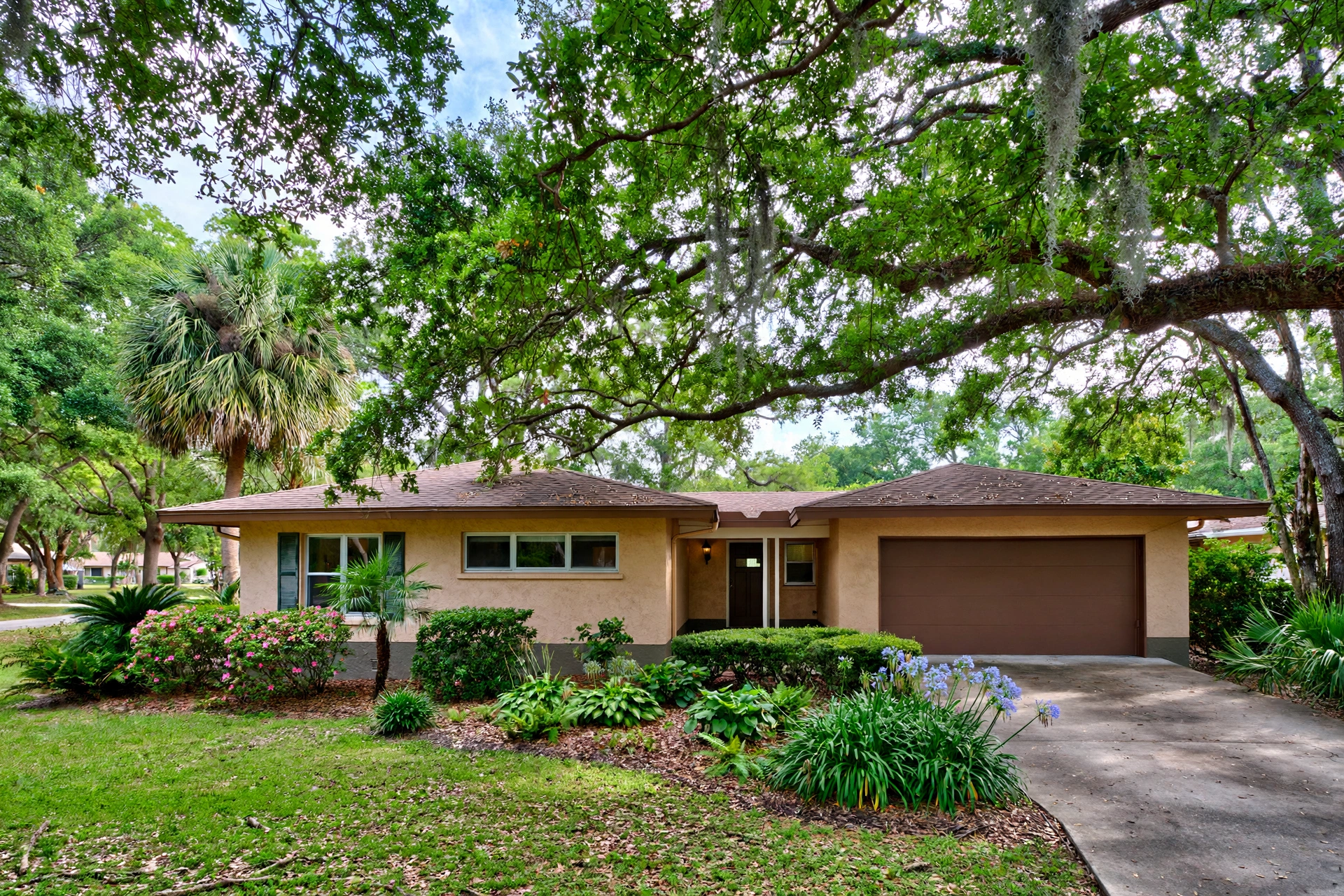
EV Charger Installation for Altamonte Springs' Established Homes
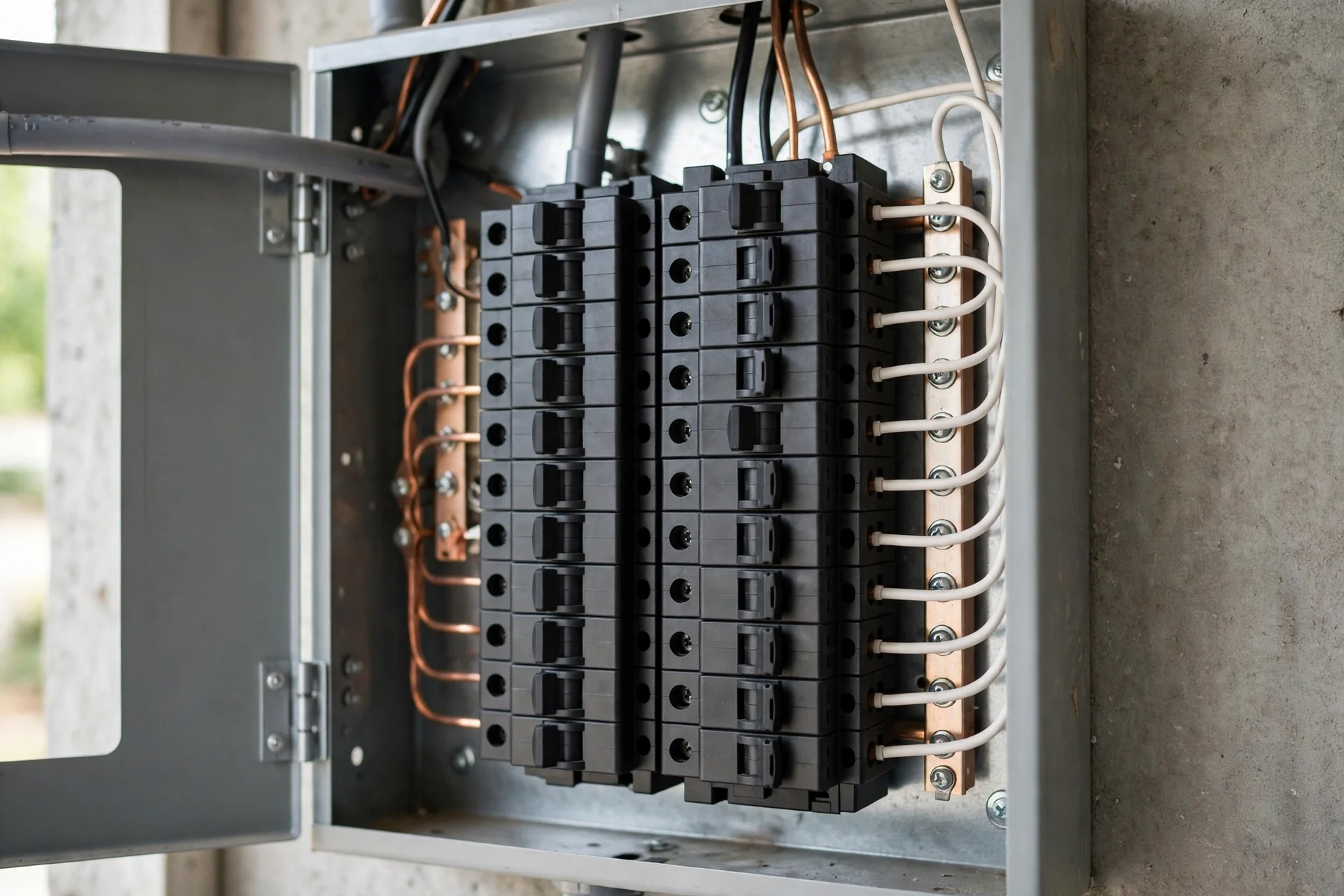
Much of Altamonte Springs went up in the 1970s, 80s, and 90s — solid homes with electrical systems designed for a different era. Before a Level 2 charger goes in, the panel needs an honest evaluation: many homes still run 100- or 125-amp service, and decades of added appliances plus Florida air conditioning may have used up the spare capacity.
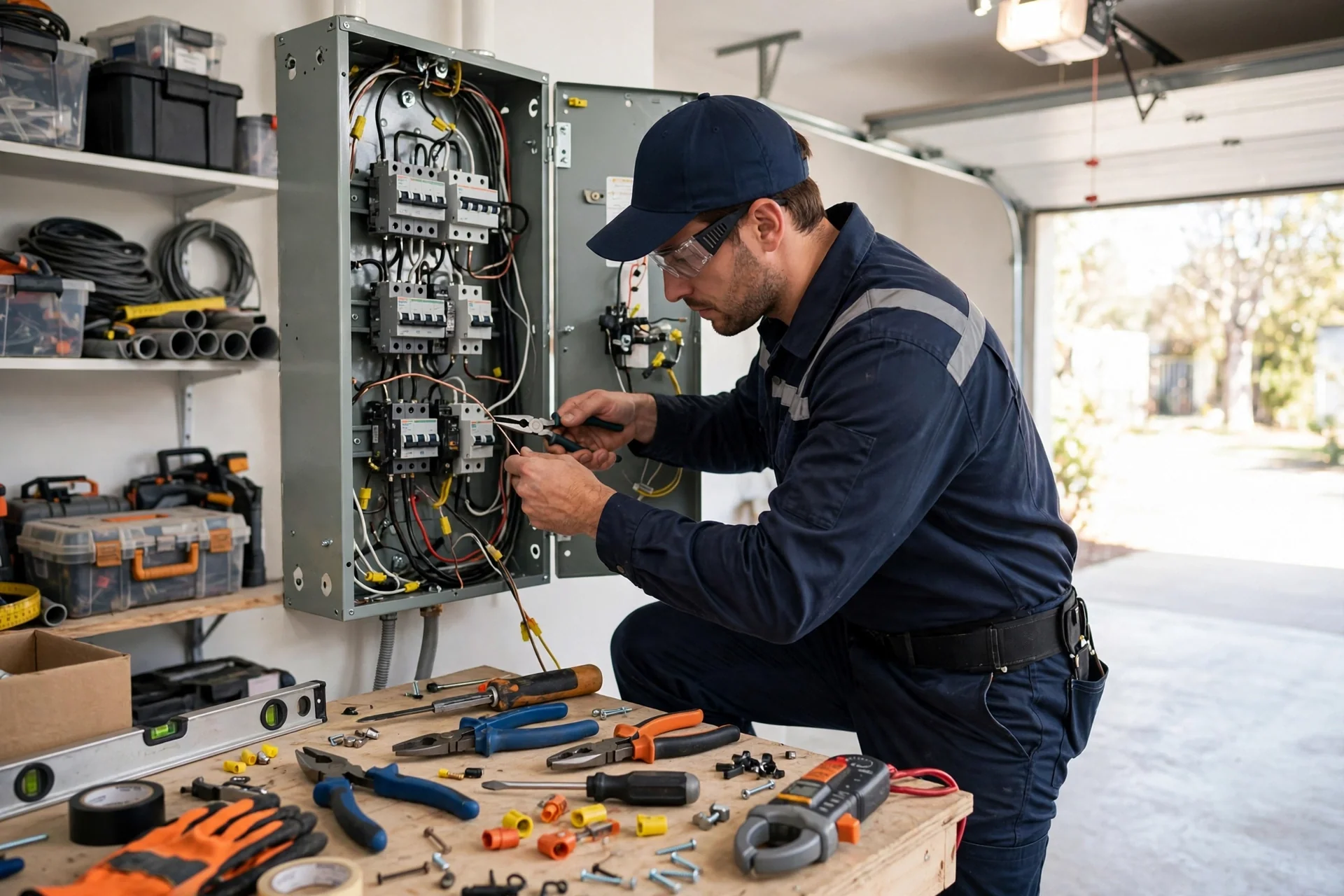
Our qualified electricians open the panel, run a full load calculation, and determine whether your service can carry a dedicated EV circuit or needs work first. When the panel can handle it, installation is straightforward — a 240-volt circuit to the garage, the charger mounted where you park, permitted and inspected. When it cannot, we explain why in plain language and handle the next step in the same project.
Altamonte Springs also has a large apartment and townhome population along corridors like SR 436. We install charging for multi-unit properties and advise renters and condo owners on options that work within association and landlord rules.
How Does Altamonte Springs' Housing Stock Affect Your Panel?
This is the most important local question, because Altamonte Springs is not a new-build city. Understanding what decade your home was built in tells you a lot about what your installation will involve.
Homes from the 1970s and early 1980s — including streets around Lake Orienta, Palm Springs Drive, and the older sections near Spring Oaks — were often built with 100-amp panels. At the time, that was plenty. A modern home asks much more of that same panel: a larger air conditioning system, a pool pump in some cases, updated kitchen appliances, and now a charger that draws power continuously for hours at a time. A Level 2 charger is one of the largest single loads in a house, so it cannot simply be added on top without checking the math.
Homes from the late 1980s and 1990s, including many subdivisions that grew up around the Altamonte Mall area and further out toward SR 434, are a mixed picture. Some were built with 150-amp or 200-amp service and take a charger circuit cleanly. Others were built smaller and then remodeled, which means the panel may have been upgraded already — or may be fuller than it looks from the outside.
Homes and townhomes from the 2000s onward, including newer communities and the residential growth around Uptown Altamonte, usually have 200-amp service and a garage layout that makes the wiring run simpler. Even then, the load calculation still happens first, because panel size alone does not tell the full story.
A load calculation is a standard electrical calculation that adds up the demand your home already places on its service and works out how much capacity is left for a new circuit. It is quick, it is done in person at your panel, and it decides everything that follows. If there is room, we size the charger circuit to your panel and your driving. If there is not enough room for a full-power circuit, you have real options before you ever get to a panel replacement: a charger set to a lower amperage, or a load management system that watches the house demand and pauses or slows charging when the home peaks, then resumes when demand drops. Our guide to EV charger load management explains how that works in plain language.
If the calculation shows your panel is genuinely undersized, outdated, or out of breaker space, then a panel upgrade becomes part of the project. That work is covered in detail on our electrical panel upgrade for EV chargers page. The key point for Altamonte Springs homeowners is this: you should hear the panel answer first, explained with the numbers, before anyone recommends a charger size or starts wiring.
Why Altamonte Springs Commuters Are Going Electric at Home
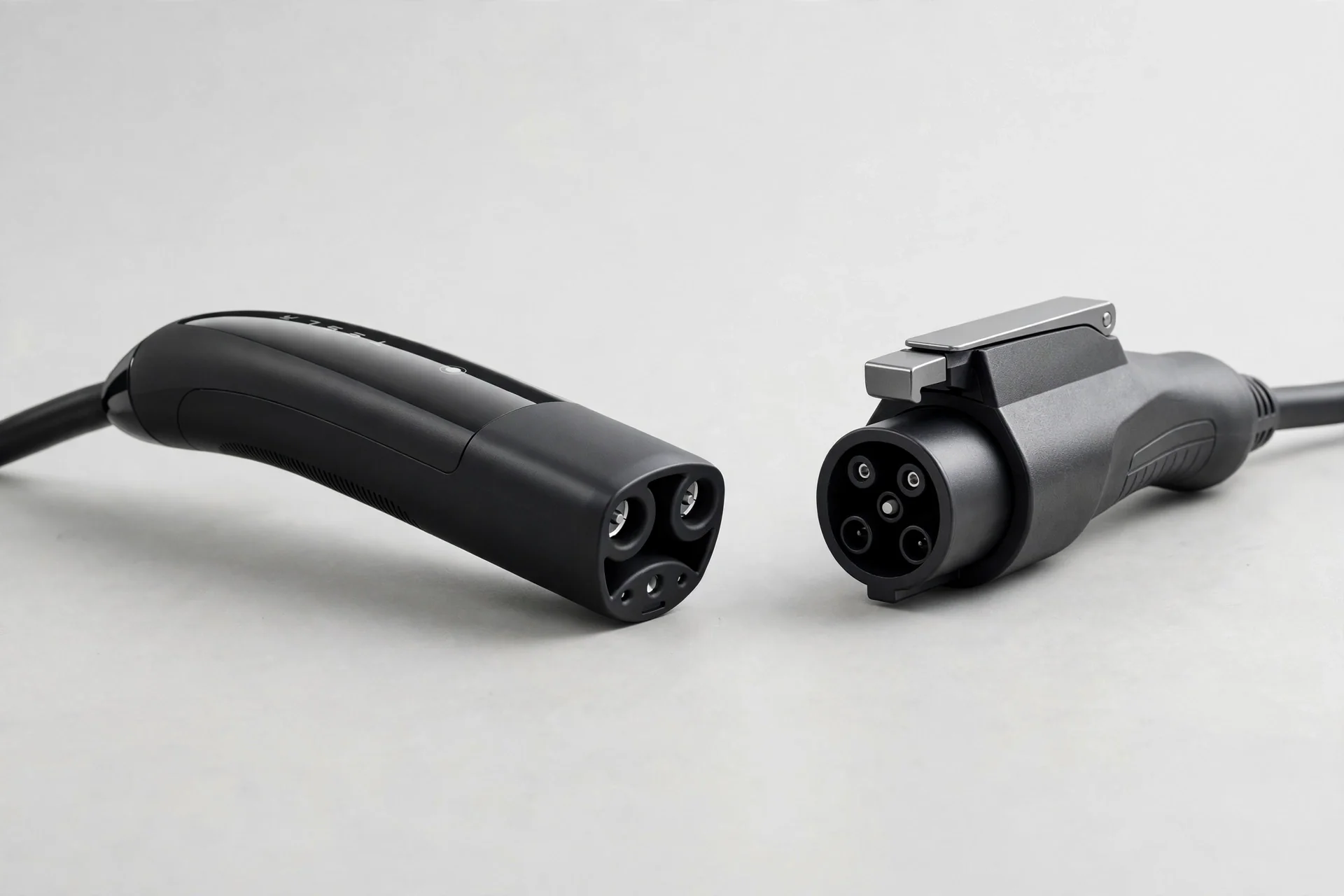
Altamonte Springs lives on I-4. The daily commute into Orlando — or north toward Sanford and Lake Mary — puts real miles on a car every week, and that is the driving pattern where home EV charging helps most. Instead of stopping at public chargers off the interstate, you plug in at home and leave every morning with a full battery.
Cranes Roost Park, the Altamonte Mall area, and the offices around Uptown Altamonte keep local traffic moving all day too. Between commuting and errands, most drivers here cover enough weekly distance that Level 1 trickle charging from a regular outlet cannot keep up — a Level 2 charger restores a full day of range overnight, with capacity to spare.
With AdventHealth Altamonte Springs and area medical offices on shift schedules, plenty of households keep non-traditional hours. A home charger with scheduled charging fits any schedule: plug in whenever you get home, and the car is ready when you leave.
The SR 436 corridor tells the same story from a different angle. It is the city's main east-west retail and commuting route, lined with the apartments, townhomes, and shopping trips that make up daily life here. If your routine runs between SR 436, I-4, and home, public charging means adding a stop to a route that is already busy. Home charging removes that stop entirely.
What Does a Typical Altamonte Springs Installation Involve, Step by Step?
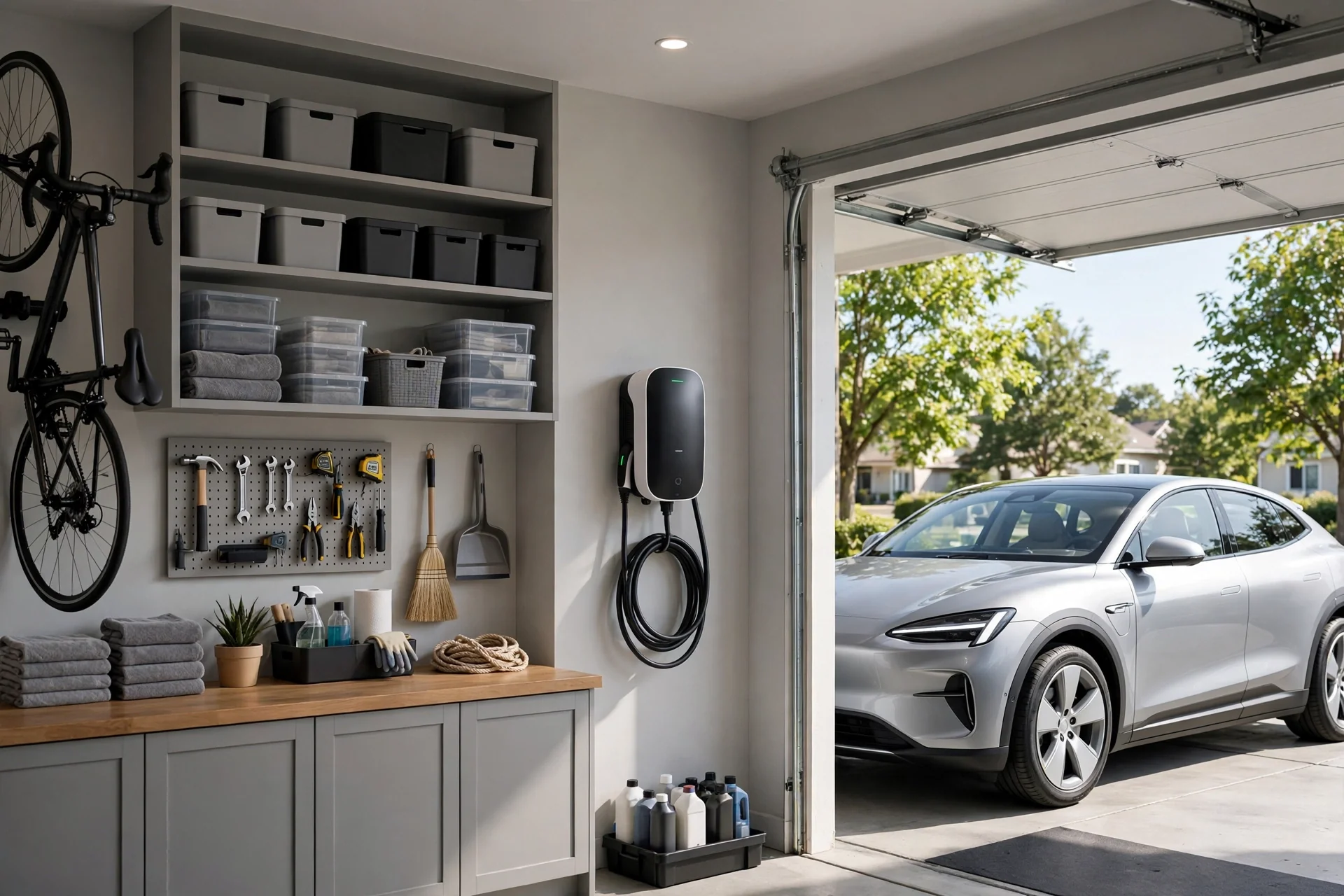
Every home is different, but a typical installation in Altamonte Springs follows the same clear sequence.
First, you reach out and describe your home, your car, and where you park — garage, carport, or driveway. If you know your panel size or the decade your home was built, that helps us prepare, but it is not required.
Second, we visit and check the panel in person. The electrician opens the panel, notes its age, brand, amperage, and available breaker space, and runs the load calculation described above. At the same visit, we measure the wire route from the panel to where the charger will go. In many Altamonte Springs homes the panel is in the garage itself, which keeps the run short. In others it is in a laundry room or interior closet, and the circuit routes through the attic or along framing. The route matters because distance and access shape the work.
Third, we agree on the charger type and placement with you. That includes whether the install will be hardwired or use an outlet, where exactly the unit will mount so the cable reaches your car's charge port comfortably, and what amperage setting your panel supports. You get the full scope explained before work is booked, not after.
Fourth, we handle the permit. EV charger work in Altamonte Springs runs through the Seminole County permit process, and we prepare and submit the paperwork as part of the job. Permitted work matters here for two practical reasons: it keeps the installation to code, and it gives you a clean record of electrical work on the home.
Fifth is installation day. We run the dedicated circuit on its own breaker, mount the charger or install the outlet, connect and configure the unit for your vehicle, and clean up the work area. Most straightforward garage installs are completed in a single visit once the permit is in place, though panel work or a long wire run can extend the timeline.
Sixth, the job is tested and inspected. We confirm the charger delivers full power under load, walk you through a first charge with your own car, pair the app if your charger has one, and show you how scheduled charging works. The county inspection then closes the permit.
What Affects the Cost of EV Charger Installation in Altamonte Springs?
There is no single price for an installation, because no two Altamonte Springs homes ask for the same work. What we can do is explain the factors honestly, so you understand what any quote you receive is actually based on.
The biggest factor is the distance and route between your panel and your parking spot. A panel already in the garage, a few feet from where the charger will mount, is the simplest version of this job. A panel on the opposite side of the house, with a route through a finished attic or around obstacles, takes more wire, more conduit, and more labor.
The second factor is your panel. If your existing service has capacity and breaker space, the job is the circuit and the charger work alone. If it needs a panel upgrade, added capacity, or a load management device, that work adds to the total. This is the main reason quotes for what sounds like the same job can differ so much between two homes on the same street — a 1990s home with 200-amp service and a 1970s home on its original 100-amp panel are not the same project.
The third factor is the charger setup you choose. A hardwired charger, an outlet-based install, the amperage of the circuit, and whether the mount is a simple garage wall, a carport post, or an exterior wall all change the materials and time involved. Outdoor and carport work in Florida also calls for weatherproof equipment and fittings rated for rain and humidity.
As a general guide for Altamonte Springs, a straightforward Level 2 circuit for a home whose panel is ready commonly falls in the high hundreds to low thousands of dollars. Panel work adds more on top of that, and longer or more complex wire runs sit at the higher end of the range. Our breakdown of EV charger installation cost factors walks through each factor in more detail, so you can see where a total comes from before you commit to anything.
Should You Choose a NEMA 14-50 Outlet or a Hardwired Charger?
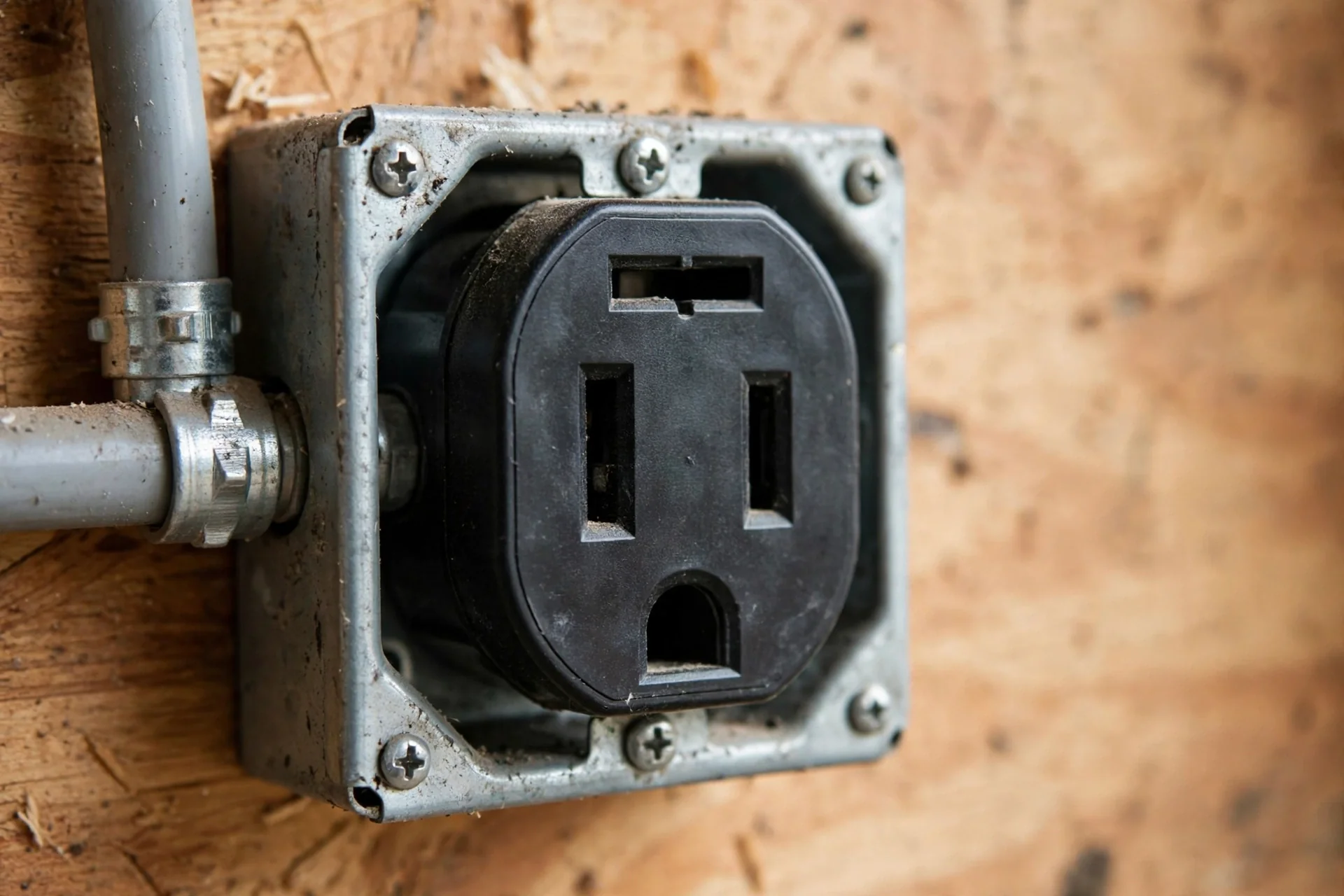
This is the most common equipment choice Altamonte Springs homeowners face, and both options are good when they are matched to the right home.
A NEMA 14-50 installation adds a heavy-duty 240-volt outlet in your garage or carport, and your charger plugs into it. The advantages are flexibility: you can unplug the charger and take it with you if you move, swap to a different charger later without rewiring, or use a portable Level 2 unit. For townhome owners and people who expect to move within a few years, that flexibility is often the deciding point. Our NEMA 14-50 outlet installation page covers what the outlet install itself involves.
A hardwired installation connects the charger directly to the circuit, with no outlet in between. Hardwired units can support higher charging amperage on a larger circuit, they have one less connection point to maintain, and they are often the cleaner choice for a permanent outdoor or carport mount, where a weatherproof direct connection suits Florida conditions well. Many homeowners who know they are staying in the home long term choose hardwired for that reason.
For Altamonte Springs specifically, think about it this way. If your charger will live inside a closed garage and you value flexibility, the outlet route is a strong fit. If your charger will live on a carport or exterior wall through Florida storm seasons, or you want the highest charging speed your panel can support, hardwired is usually the better conversation to have. Either way, the circuit is dedicated, permitted, and sized from your load calculation — that part does not change.
EV Charging Services in Altamonte Springs, FL
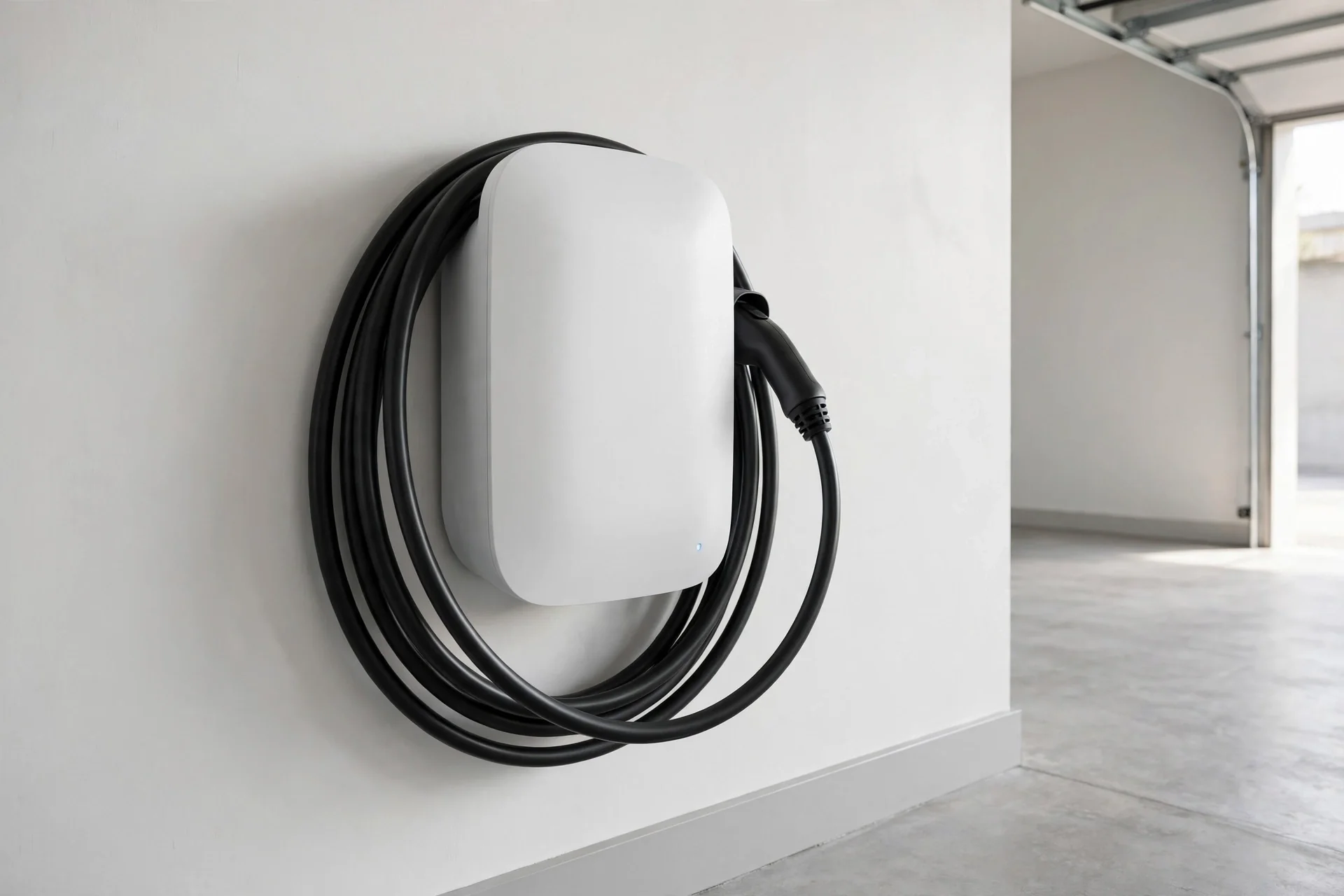
- Residential EV Charger Installation — Charger installs for Altamonte Springs houses, townhomes, and condos.
- Tesla Wall Connector Installation — Tesla home charging setup in 32701.
- Level 2 Charger Installation — 240-volt home charging for all EV makes and models.
- EV Panel Upgrade — Panel upgrades for older homes needing more capacity.
- Commercial EV Charging Stations — Charging for apartment communities, workplaces, and retail.
- Fleet EV Charging — Fleet charging for local businesses with EVs.
- EV Charger Repair — Diagnostics and repair for home chargers.
Altamonte Springs Service Area
Primary ZIP: 32701
We install EV chargers throughout Altamonte Springs — Altamonte Mall, Cranes Roost Park, Uptown Altamonte, and the SR 436/I-4 corridors, in both 32701 and 32714. Nearby areas: Winter Park, Downtown Orlando, and Oviedo.
How It Works
1. Reach out. Describe your home, your car, and your parking — garage, carport, or driveway.
2. Panel check. Our electrician inspects your panel, runs a load calculation, and determines the right circuit and charger placement.
3. Permit and wiring. We pull the permit, run the dedicated circuit, mount the charger, and configure it for your vehicle.
4. Final test. We confirm full charging power under load and show you scheduling and app features.
Can a Condo or Townhome Owner Charge at Home in Altamonte Springs?
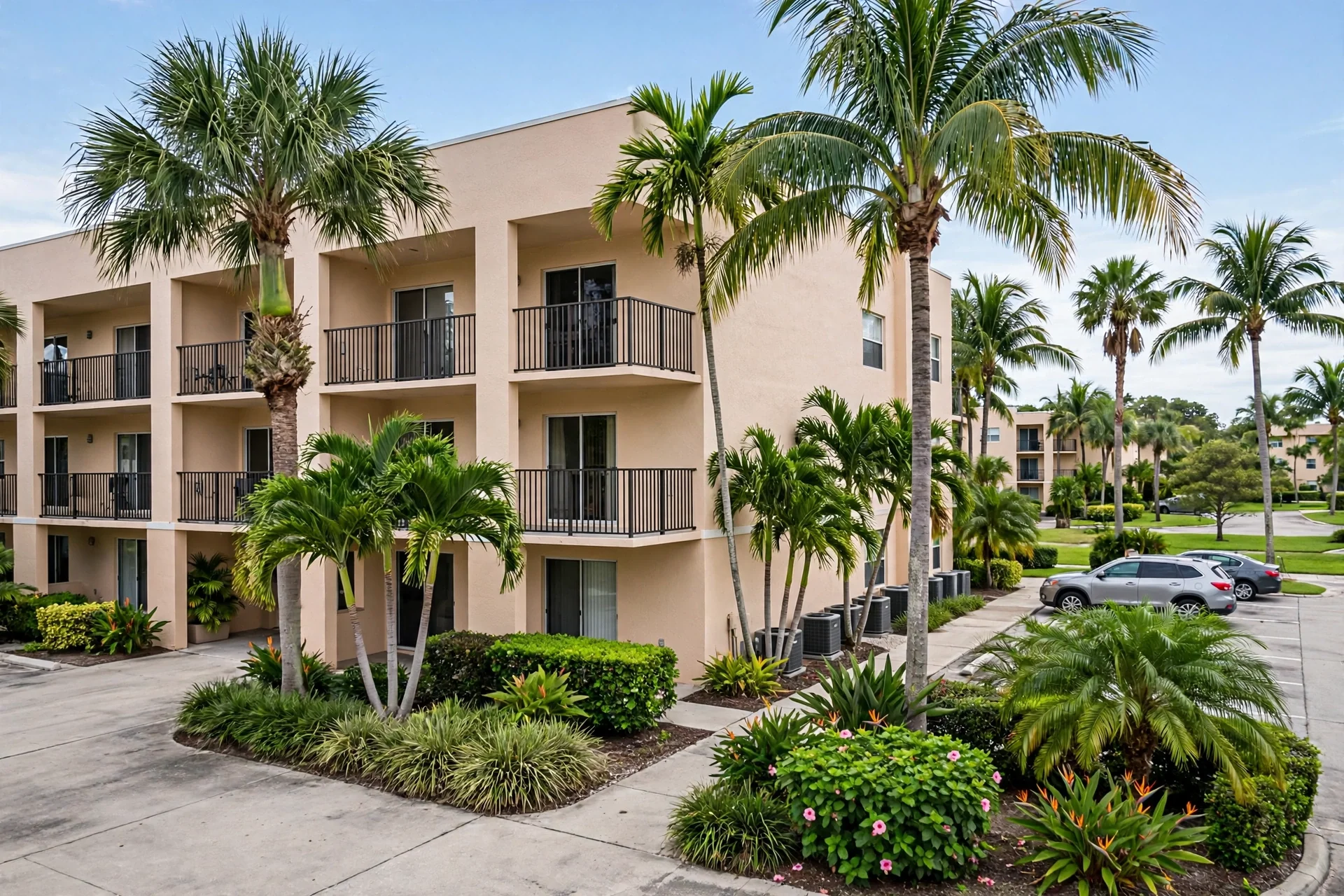
Yes, in many cases, but the path is different from a single-family home. Altamonte Springs has a large number of townhome and condo communities, especially along SR 436 and around the Uptown Altamonte area, and whether you can install a charger usually comes down to two questions: who owns the parking space, and where the power would come from.
If your garage or parking space is deeded to your unit and your electrical panel is inside your home, the install often works much like a house install, sometimes with an association notification or approval step for any work visible from outside. If your parking is in a shared lot or garage, the project usually needs association involvement, because the circuit may cross common areas and the charging cost needs a fair way to be tracked. Networked chargers with load sharing are built for exactly that shared situation, and they let a community add charging without overloading the building service.
Our advice is simple: check your association rules early, before you buy a charger. Bring us the rules or the application form, and we will supply the equipment specifications and install details the association asks for. Renters should start the same conversation with their landlord or property manager, as covered in the FAQs below.
Why Altamonte Springs Homeowners Call Us
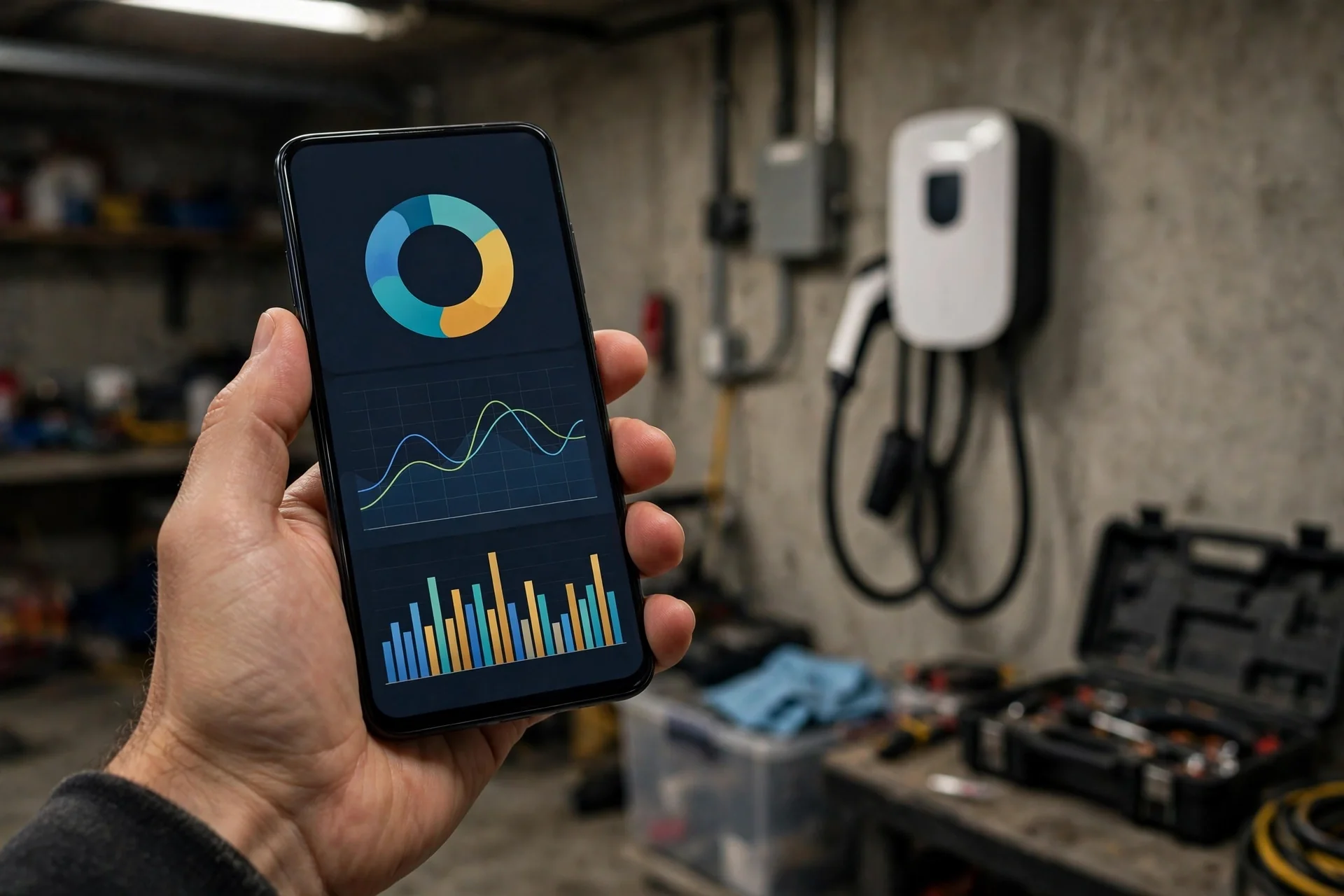
- Qualified electricians — qualified pros, not general handymen.
- 1970s–90s panel expertise — older electrical systems are our bread and butter.
- Straight answers on capacity — we tell you what your panel can handle before recommending anything.
- Permits managed — applications and inspections taken care of.
- Apartment and renter guidance — landlord-approved options and multi-unit installs covered.
Altamonte Springs EV Charger FAQs
My Altamonte Springs home was built in the 1970s. Can the wiring handle an EV charger? Maybe — only an assessment says for sure. Some 1970s homes here have updated panels; others still run original 100-amp service. We inspect the panel and run a load calculation. Many can take a Level 2 charger, sometimes at a lower setting or with load management; the rest need panel work first, which we explain with the numbers before any decision.
I rent an apartment in Altamonte Springs. Do I have any EV charging options? Start with your property manager — some communities now have shared chargers, and landlords sometimes approve a charger at an assigned spot. With access to a 240-volt outlet, a portable Level 2 unit works without permanent changes.
Can my apartment complex add EV charging for residents? Yes, and more local communities are doing it. We install commercial-grade stations for multi-unit properties with load management so the building's system isn't overwhelmed. Property managers can call for a site evaluation.
My home has a carport instead of a garage. Can I still install a charger? Absolutely. We mount outdoor-rated, weatherproof chargers on carports regularly — on a post or the structure itself, wired in conduit, built for Florida rain and humidity. The assessment picks the ideal mounting point and wire route.
I commute on I-4 every day. How much range will I get from overnight charging? A Level 2 charger typically restores a full day of commuting range — usually more — overnight. Most I-4 commuters wake up fully charged daily: charging happens while you sleep, not during your day.
Do homes around Cranes Roost and Spring Oaks usually need panel work before a charger goes in? It splits by decade. Altamonte's 1990s-and-later subdivisions were generally built with 200-amp service and take a charger circuit cleanly. The 1970s and 1980s homes nearer Lake Orienta and Palm Springs Drive are the mixed bag — some panels were upgraded during remodels, others are original. The load calculation sorts yours in one visit, and if the answer is a managed charger instead of an upgrade, you hear that from us first.
How much does EV charger installation cost in Altamonte Springs? It depends mainly on your panel and the distance from the panel to where you park. A straightforward Level 2 circuit in a home whose panel is ready commonly falls in the high hundreds to low thousands of dollars. Panel upgrades, load management equipment, and long wire runs add to that total. The on-site load calculation and route measurement are what turn that general range into an accurate scope for your home.
Do I need a permit for an EV charger in Altamonte Springs? Yes, in most cases a new dedicated charger circuit requires a permit, and Altamonte Springs installations follow the Seminole County permit process. We handle the application, the permitted installation, and the inspection as part of the job, so the work is documented and to code. If your situation is unusual — for example, a condo or a shared parking area — we confirm the exact requirements during the assessment.
Nearby Areas
- EV Charger Installation Winter Park, FL
- EV Charger Installation Downtown Orlando, FL
- EV Charger Installation Oviedo, FL
- EV Charger Installation Apopka, FL
- EV Charger Installation Lake Mary, FL
- EV Charger Installation Winter Springs, FL
- EV Charger Installation Casselberry, FL
- EV Charger Installation Maitland, FL
- EV Charger Installation Orlando, FL
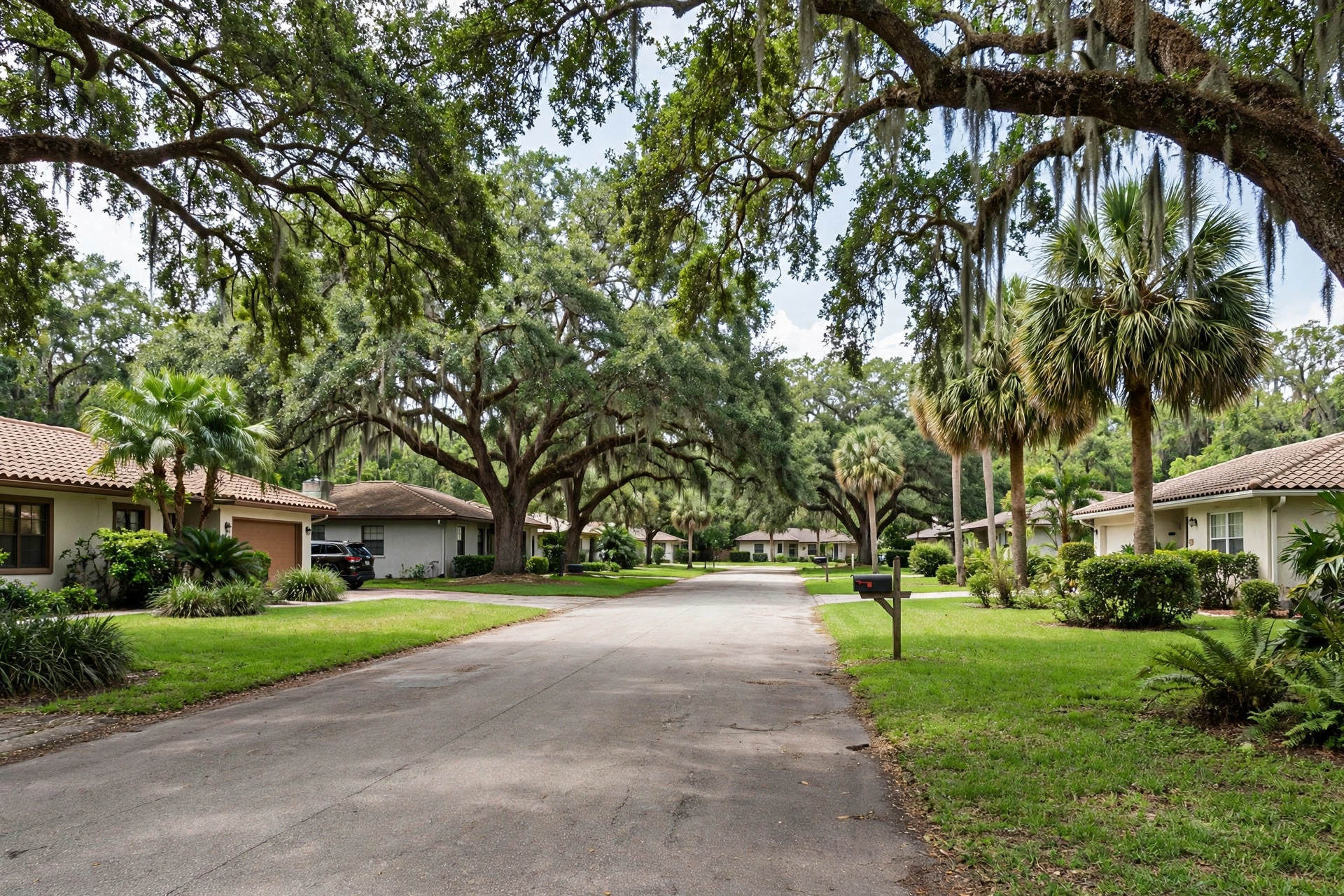
Ready to Charge at Home in Altamonte Springs?
Your commute is long enough without charging stops. Call now for EV charger installation in Altamonte Springs.