What Is Level 2 EV Charger Installation?
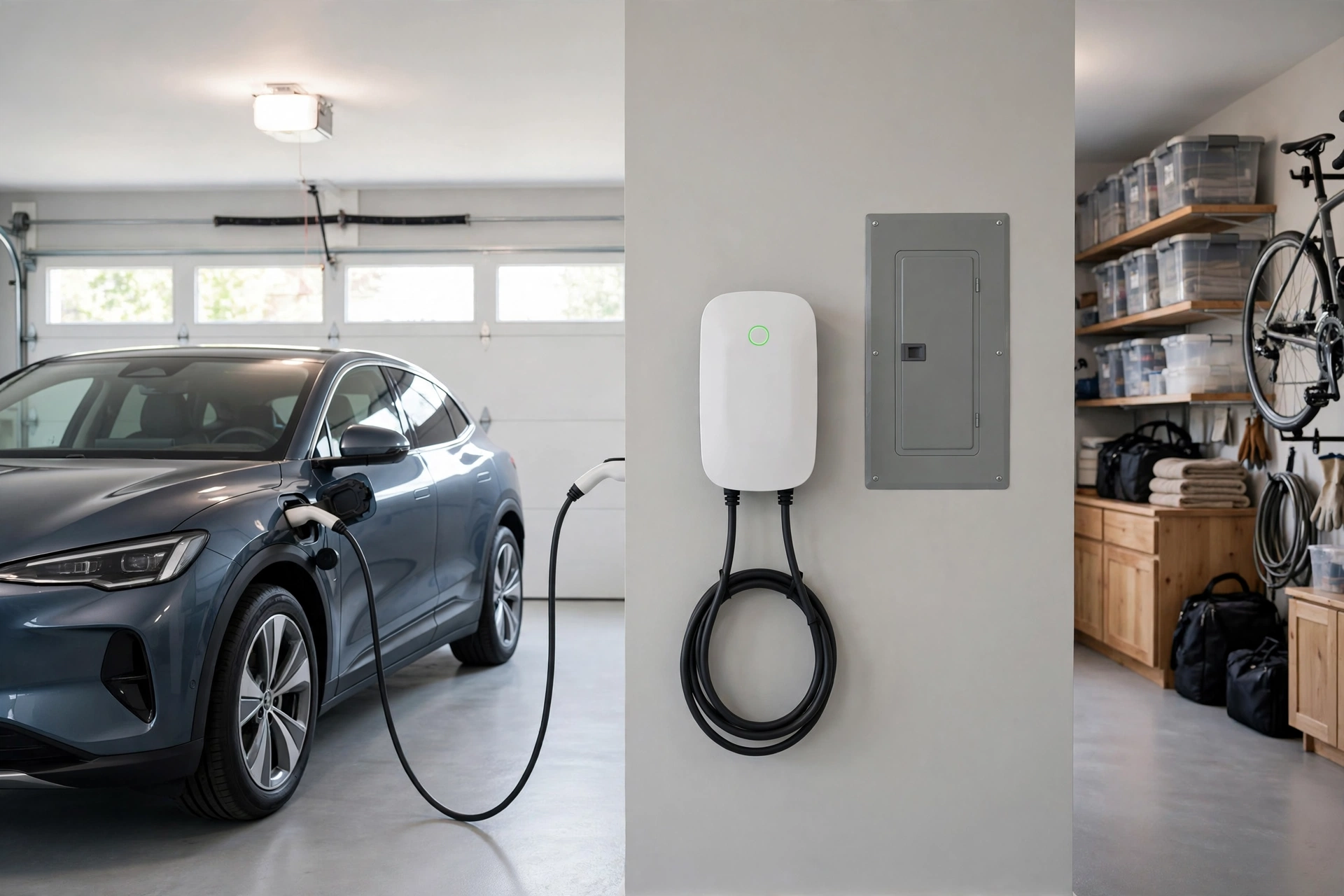
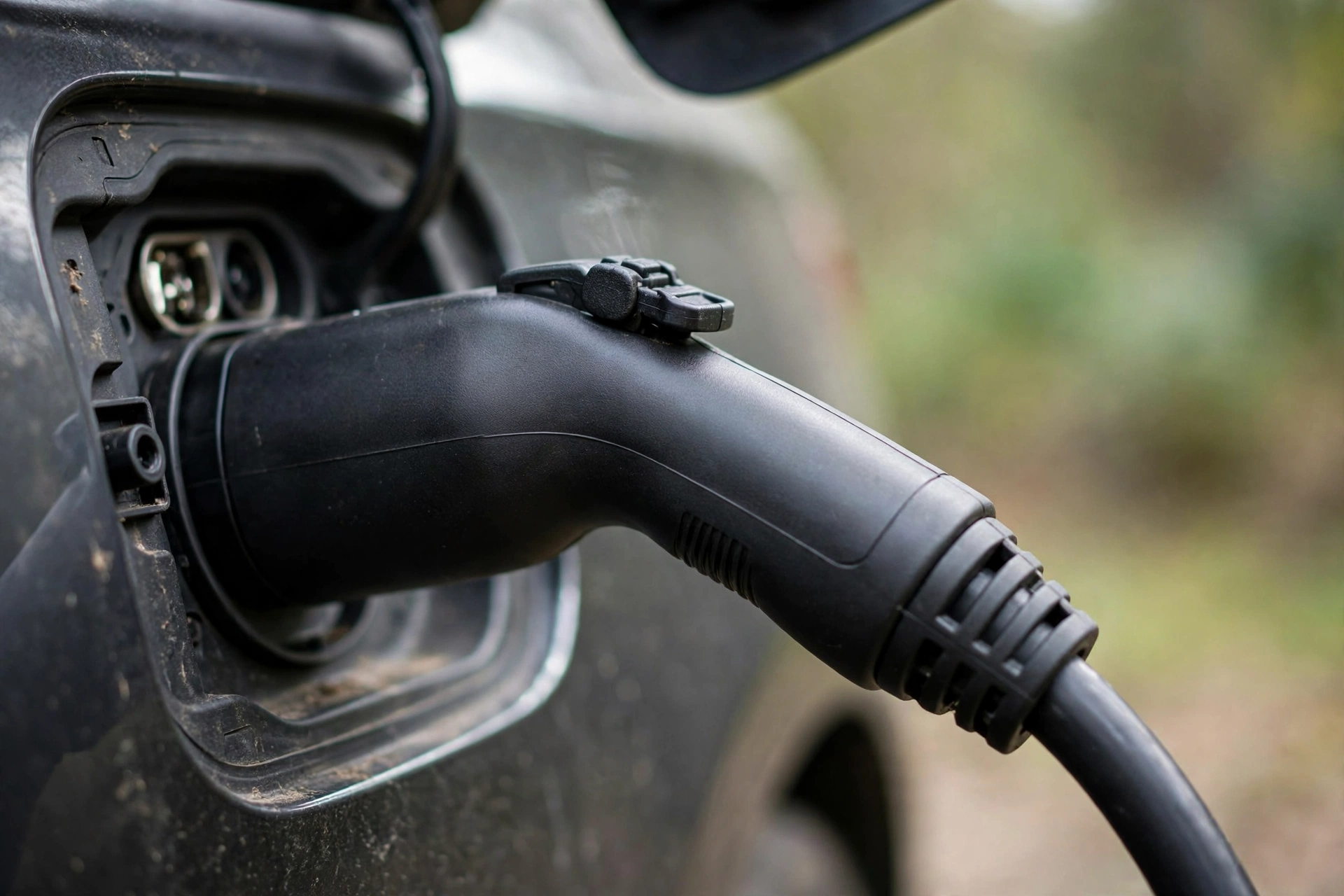
Level 2 refers to 240-volt AC charging — the same voltage as your dryer or oven, on a dedicated circuit. Installation means running that circuit from your electrical panel to where you park: a two-pole breaker (typically 40A, 50A, or 60A), correctly sized wiring, and either a hardwired charging station or a NEMA 14-50 receptacle that a plug-in charger connects to. The charger itself — ChargePoint Home Flex, Emporia, Wallbox Pulsar Plus, Grizzl-E, Tesla Wall Connector, or others — mounts on the garage wall (or a post for driveway parking).
The key number is amperage. A 32A charger on a 40A circuit delivers about 7.7 kW (~25–30 miles of range per hour). A 48A charger on a 60A circuit delivers about 11.5 kW (~35–44 miles per hour). Which one fits your home depends on your panel's capacity — verified by a load calculation, not a guess — and how many miles you actually drive.
Level 1 Can't Keep Up
Do the math on a Level 1 trickle charger: ~4 miles of range per hour, 11 hours overnight, roughly 44 miles. If your round-trip commute is 50+ miles — common in Orlando, where people drive from Oviedo to downtown or Kissimmee to Lake Nona — you're losing ground every day. The deficit gets made up at public fast chargers: higher per-kWh cost, waiting in line, and the battery wear of frequent DC fast charging.
The usual workarounds don't hold up. The dryer outlet isn't rated for continuous EV loads. A basic extension cord on a 120V outlet is a fire risk that electricians warn about constantly. And "I'll just charge at work" falls apart the week the office chargers are full.
Overnight Charging That Actually Finishes
A Level 2 charger turns 11 hours of parked time into a full battery — 250+ miles of range added overnight on a 48A unit, or a comfortable full charge on a 32A unit for moderate commutes. You plug in when you get home. The car charges on lower off-peak overnight rates (most Florida utilities price overnight power lower — schedule it in the car's app or the charger's). You unplug and go.
Because the circuit is dedicated and sized by calculation, there's no tripped breaker when the AC cycles on, no warm outlets, no wondering whether the wiring can take it. Permitted, inspected, done.
What Wattage Is a Level 2 Charger, and How Fast Is It Really?
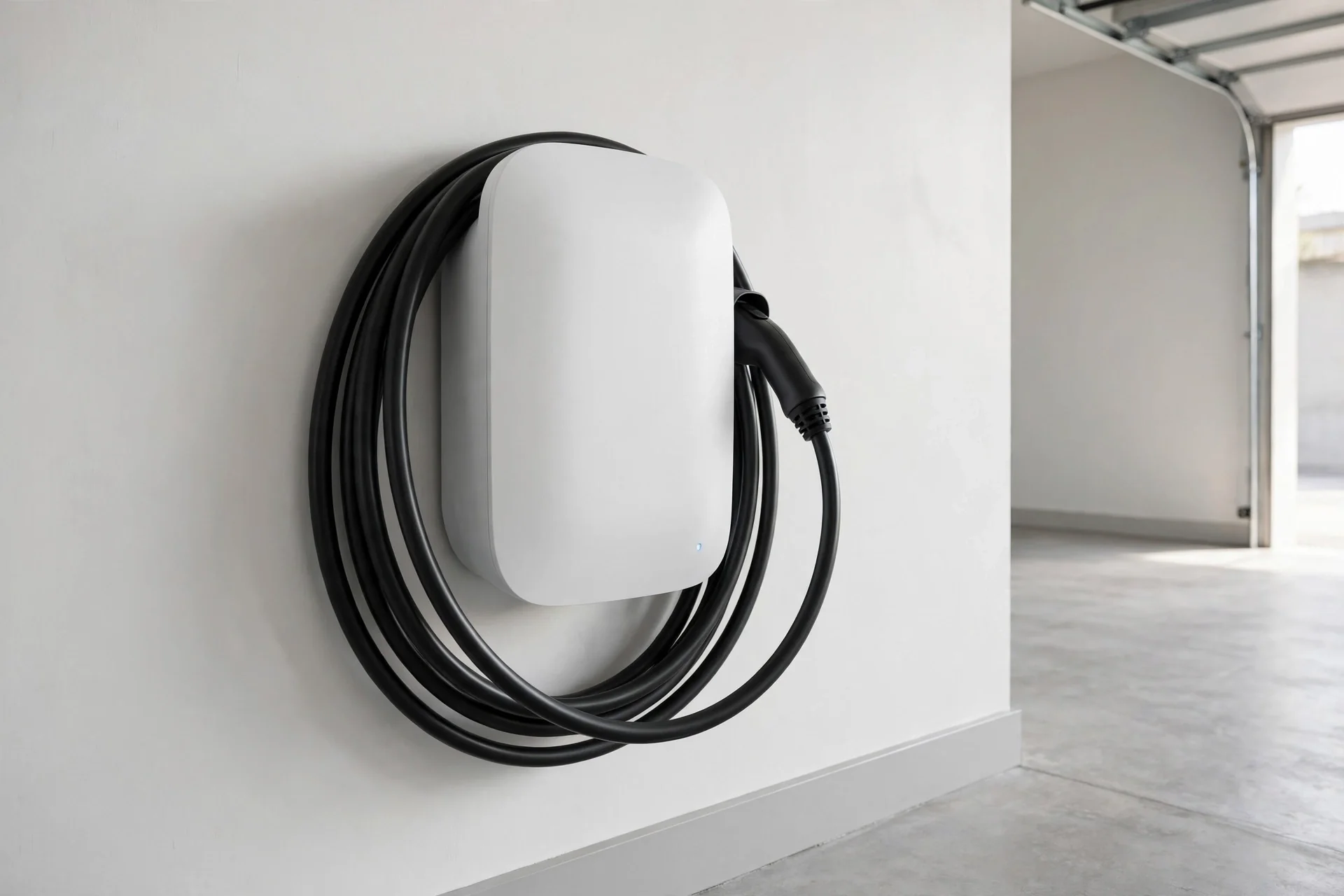
Level 2 is a power class, not a single speed. Under the SAE standard it spans 3.8 to 19.2 kilowatts at 240 volts; the home chargers Orlando households actually buy sit between 7.7 and 11.5 kilowatts — a 40-amp charger on a 50-amp circuit, or a 48-amp charger on a 60-amp circuit. In range terms that is roughly 25 to 45 miles of range per hour of charging, which is why the same "Level 2" label can mean a car that refills a 40-mile commute in about an hour and a half or one that needs most of the night. The Level 1 vs Level 2 vs Level 3 explainer lays the levels side by side.
Sizing by your day, not by the spec sheet: if you drive under 40 miles a day, a 32- or 40-amp setup on a 50-amp circuit refills you overnight with room to spare. At 50 to 80 miles a day, step up to 48 amps on a 60-amp circuit — our breaker and wire size guide shows what that circuit takes. Driving more, or charging two cars? That is a load management conversation, not a bigger-charger conversation. And yes, a Tesla home charger is Level 2 — the Wall Connector is a 240-volt AC unit in exactly this class; the Tesla Wall Connector page covers its setup.
How It Works
1. Assessment and load calculation
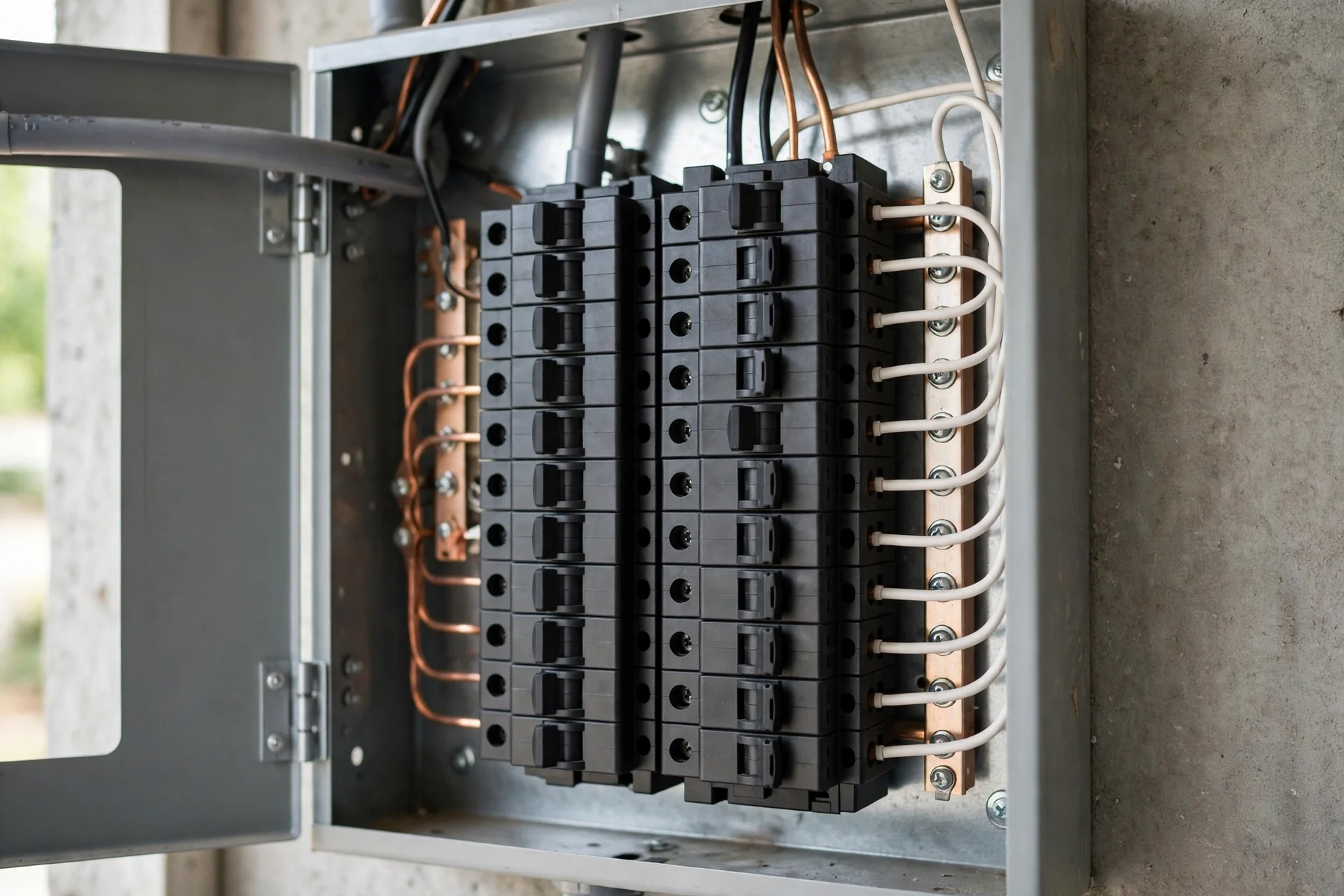
Tell us your EV and daily mileage. A qualified electrician checks your panel capacity, measures the run to your parking spot, and recommends the right amperage — 32A, 40A, or 48A.
2. Charger and connection choice
Pick your charger (or we'll recommend one for your EV and budget of features), and choose hardwired vs. NEMA 14-50 plug-in. We explain the tradeoffs honestly — see below.
3. Permitted installation
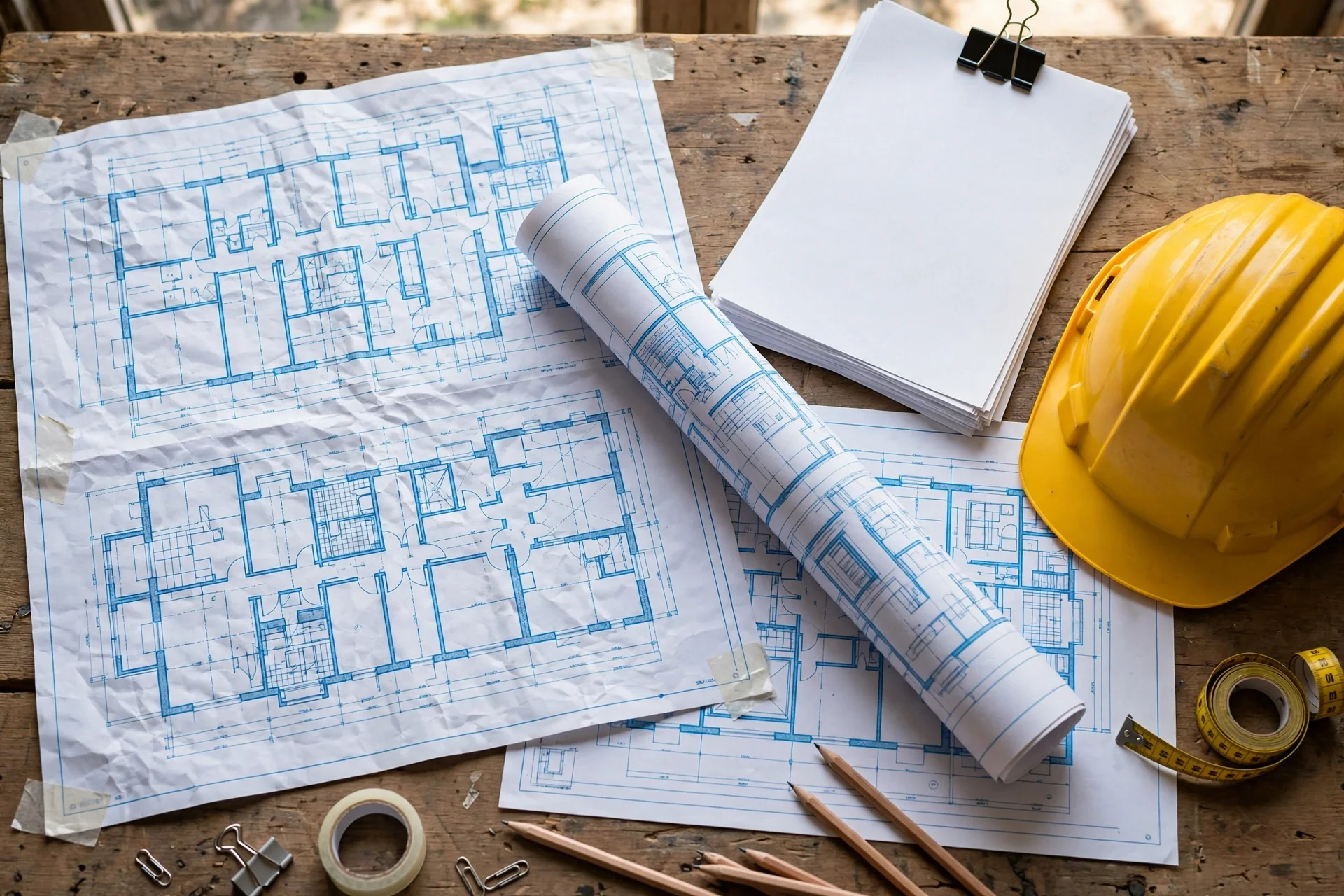
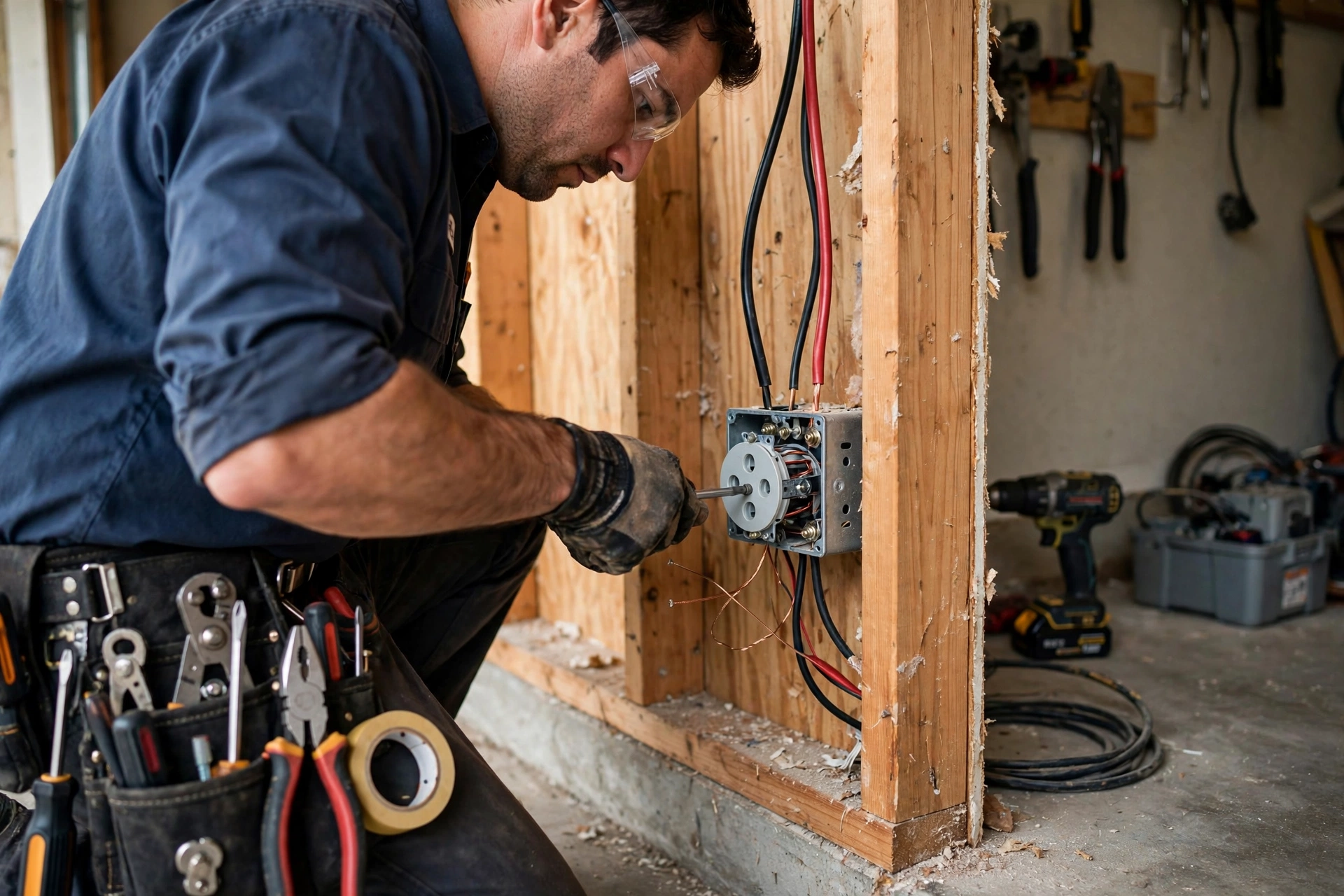
Permit pulled, circuit run, breaker installed, charger mounted and wired. Most Level 2 installs finish in one visit.
4. Testing and smart-charger setup
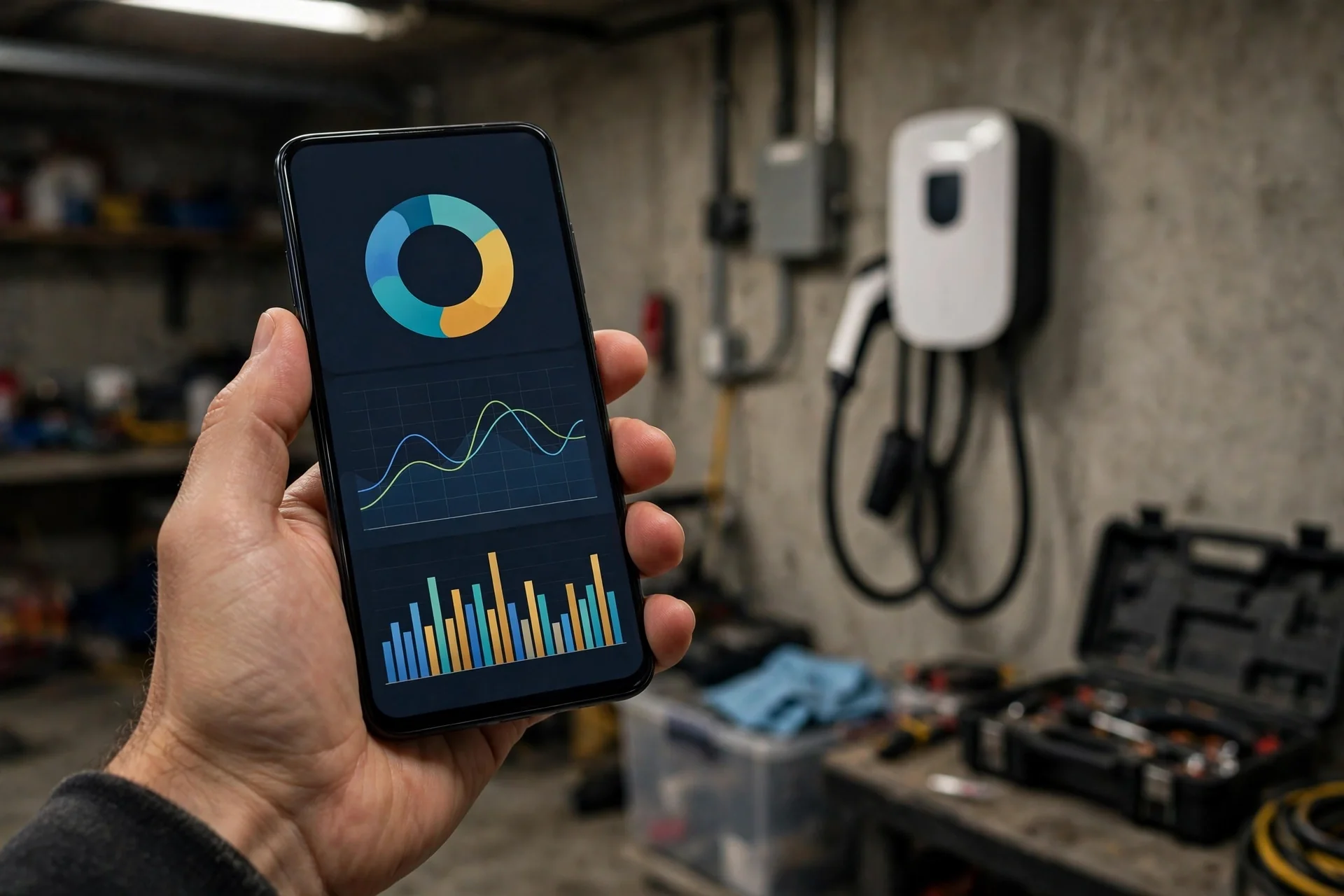
We test under load, connect Wi-Fi/app control on smart units, and show you how to schedule off-peak charging windows.
Hardwired vs NEMA 14-50 Plug-In
| Hardwired | NEMA 14-50 Plug-In | |
|---|---|---|
| Max amperage | Up to 48A (60A circuit) | Up to 40A (50A circuit) |
| Failure points | Fewer — no receptacle in the chain | Receptacle + plug add connections |
| GFCI issues | None — charger has built-in GFCI | 50A GFCI breaker can nuisance-trip |
| Portability | Stays with the house | Take the charger when you move |
| Rebate eligibility | Some programs require hardwired | Plug-in sometimes excluded |
Our recommendation: hardwired, in most cases. Electricians increasingly favor it — two fewer points of failure, no GFCI-breaker headaches, higher amperage ceiling. Go plug-in if you rent, plan to move soon, or want maximum flexibility.
Why Choose Us for Level 2 Installation
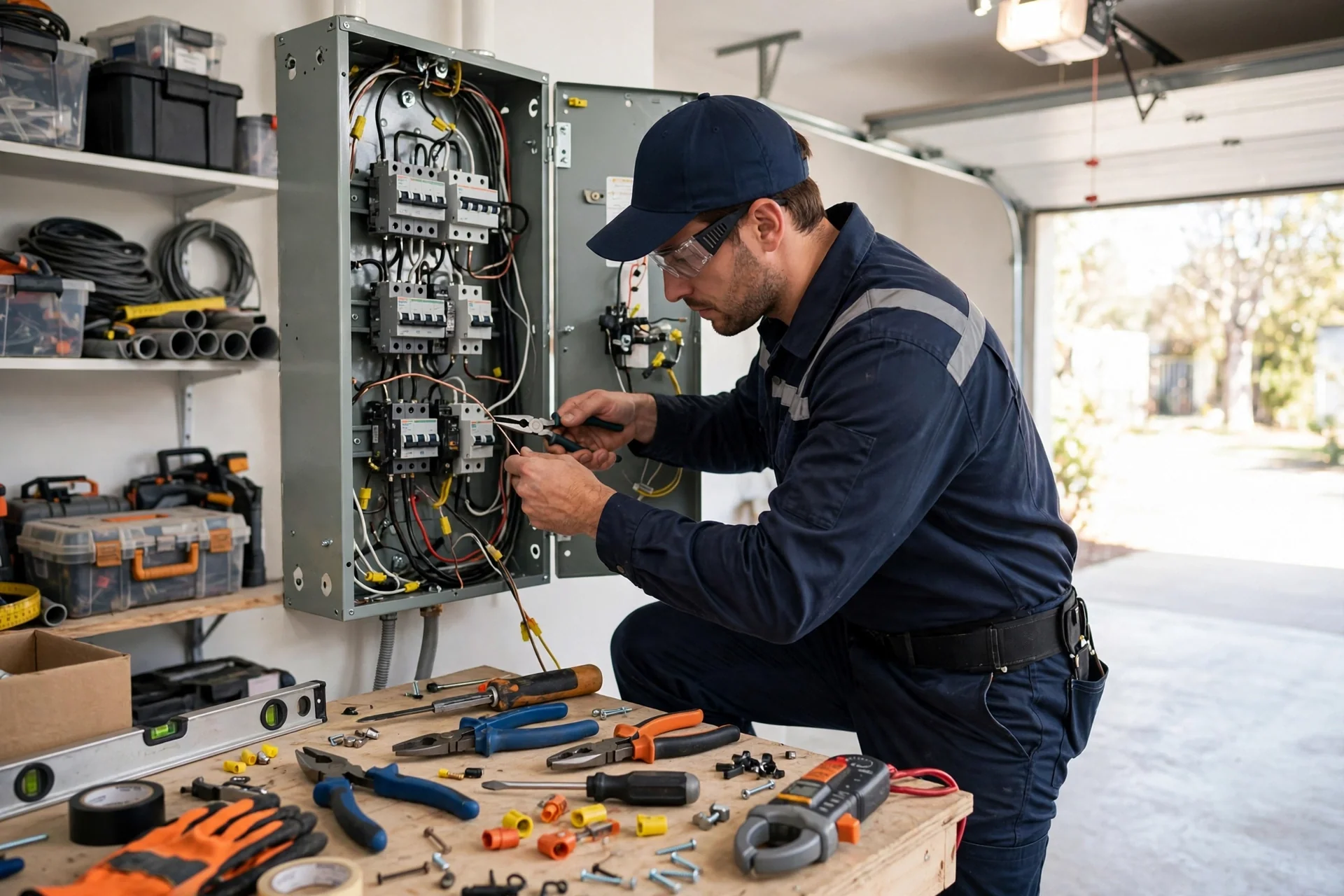
- Qualified electricians who install Level 2 chargers daily — all major brands and both connection types
- Load calculation before every install — the amperage matches your panel's real capacity
- Permits handled — Orlando, Orange, Seminole, and Osceola county permits and inspections
- Code-compliant work — NEC continuous-load rules, correct wire gauge, torqued connections, labeled panel
- Orlando local expertise — from 100-amp panels in older neighborhoods to 200-amp service in new builds
- Honest sizing — if a 32A charger covers your driving, we'll say so instead of selling you 48A
Charging for a workplace, a rental property, or a shared car park instead of your own garage? That is commercial EV charging station installation, scoped per site rather than per home.
Level 2 Service Areas
Winter Park 32789 · Lake Nona 32827 · Windermere 34786 · Dr. Phillips 32819 · Downtown Orlando 32801 · Altamonte Springs 32714 · Kissimmee 34741 · Oviedo 32765 · Winter Springs 32708 · Apopka 32703
Frequently Asked Questions
What wattage is a Level 2 EV charger?
Level 2 charging runs at 240 volts across a wide power band — 3.8 to 19.2 kilowatts under the SAE standard. The home units sold for Orlando garages are usually 7.7 kilowatts (32 amps), 9.6 kilowatts (40 amps), or 11.5 kilowatts (48 amps), adding roughly 25 to 45 miles of range per hour depending on the car.
Is a Tesla home charger Level 2?
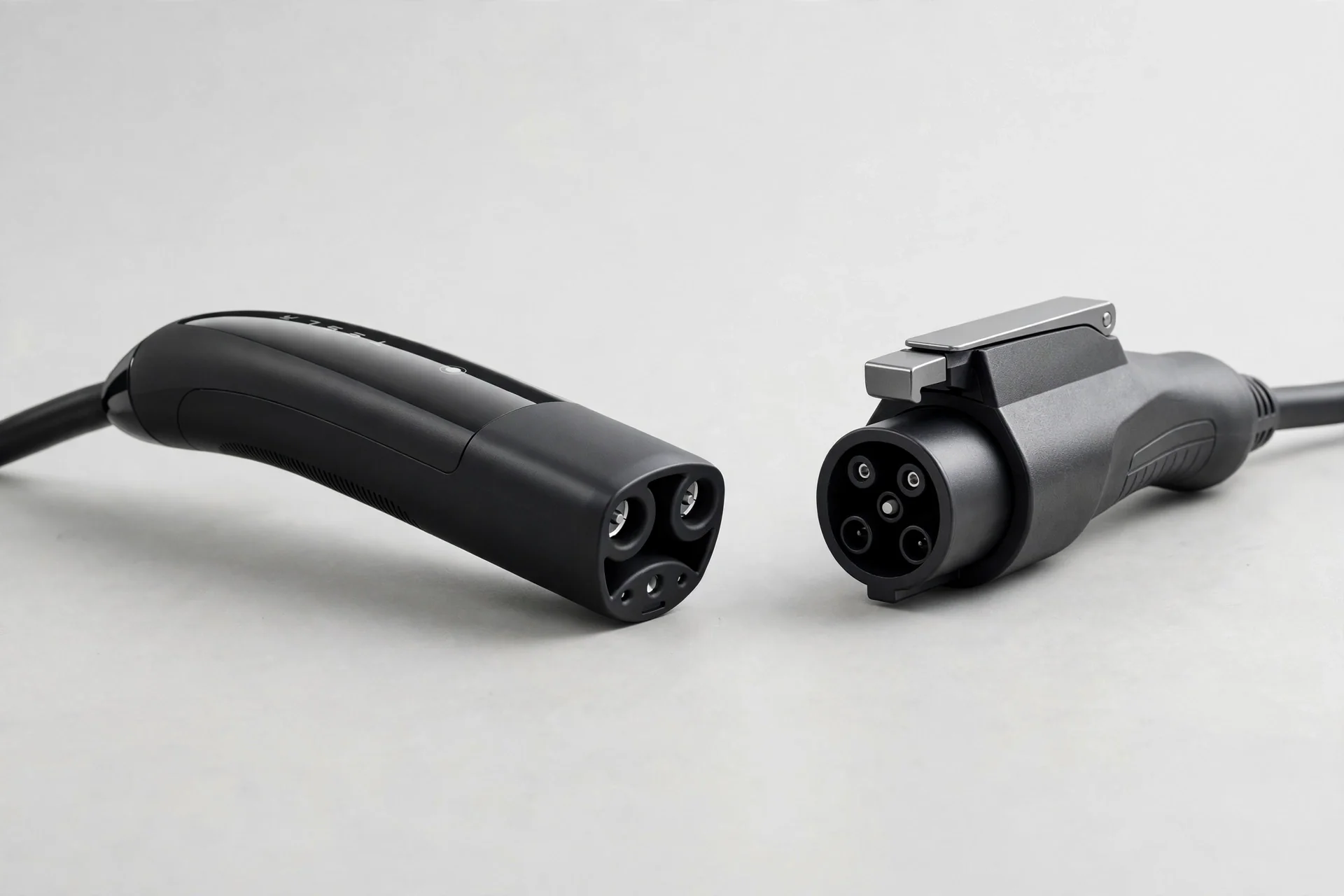
Yes. The Tesla Wall Connector is a Level 2 charger: 240-volt AC charging at up to 48 amps (11.5 kilowatts) on a 60-amp circuit, the top of the normal home range. Tesla's smaller Mobile Connector is also Level 2 when plugged into a 240-volt outlet, at lower amperage. Neither is DC fast charging — that is Level 3, a commercial technology.
What is the difference between a 40-amp and 48-amp home charger?
Output and circuit size. A 40A charger (on a 50A breaker) delivers about 9.6 kW — roughly 30–37 miles of range per hour. A 48A charger (on a 60A breaker) delivers about 11.5 kW — roughly 35–44 miles per hour. The 48A unit needs more panel capacity. For many drivers the real-world difference is small — both fill the car overnight — so panel capacity often decides.
How many miles of range per hour does a Level 2 charger add?
Roughly 25–44 miles per hour depending on amperage and your EV's efficiency: ~25–30 on a 32A charger, ~30–37 on 40A, ~35–44 on 48A. Larger, less efficient EVs (electric trucks and SUVs) sit at the lower end of each range; efficient sedans at the higher end.
How long does a Level 2 charger take to fully charge an EV?
Typically 4–10 hours from near-empty, depending on battery size and charger amperage. A 60 kWh battery on a 48A charger takes about 6 hours; a 130 kWh truck battery on a 32A charger takes closer to 18. In practice you rarely charge from zero — topping up the day's 40–60 miles takes 1–2 hours overnight.
Is a Level 1 charger enough for my daily commute?
Only if your commute is short. Level 1 adds ~3–5 miles per hour — about 40–50 miles over a full night. If you consistently drive under 40 miles a day and can charge 10+ hours nightly, it works. Beyond that, you'll slowly fall behind and end up at public chargers. Most Orlando commuters outgrow Level 1 within weeks of EV ownership.
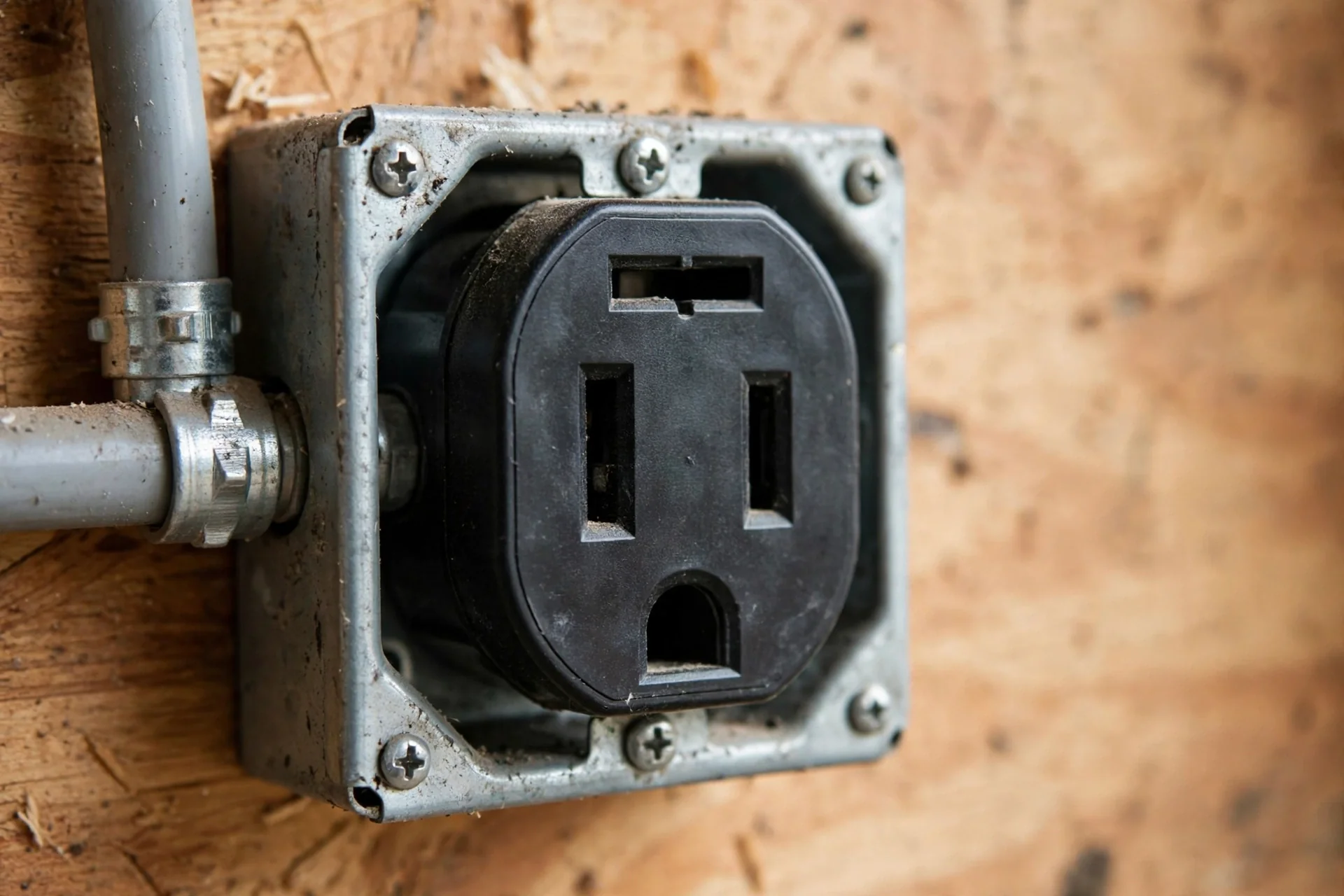
Is a NEMA 14-50 outlet the same as a hardwired Level 2 charger?
We don't recommend it. Dryer receptacles aren't designed for the sustained multi-hour loads of EV charging — the receptacle, not just the breaker, is the weak point, and overheated dryer outlets are a documented fire cause. A UL-listed dryer-splitter device exists for sharing, but it's a stopgap. A dedicated circuit is the correct answer.
Will a GFCI breaker cause nuisance tripping with my Level 2 charger?
It can — this is a well-known issue with NEMA 14-50 plug-in setups. Current code requires GFCI protection on 50A garage receptacles, but EV chargers have sensitive electronics that can trip GFCI breakers spuriously. Hardwired chargers avoid the problem entirely (the charger has its own internal GFCI). If you go plug-in, we use spec-grade receptacles and correct breaker pairing to minimize it.
How do I install a Level 2 EV charger at home?
The process starts with a load calculation on your electrical panel to confirm spare capacity and choose the charger amperage. Then a dedicated 240-volt circuit is run from the panel to the charger location, the charger is mounted and either hardwired or plugged into a NEMA 14-50 outlet, and the permit inspection confirms the work. Finally the charger is configured — amperage setting, Wi-Fi, and scheduled off-peak charging — and tested with your car. In Florida this electrical work belongs to a qualified electrician; see our DIY vs professional installation guide for what is and is not safe to do yourself.
What does a Level 2 charger installation in Orlando include, start to finish?
Five things, in order: the load calculation that sizes the job to your panel; the dedicated 240V circuit run from panel to parking spot; the charger itself, mounted and either hardwired or paired with an industrial-grade NEMA 14-50 outlet; the permit and inspection; and configuration — amperage set to the circuit, Wi-Fi paired, off-peak scheduling set, and a supervised first charge with your car. If the calculation says your panel needs work first, that is quoted separately and honestly before any of it. What it never includes is a number invented before anyone has seen your panel.
Get Level 2 Charging at Home
Qualified electrician, right-sized circuit, permit handled. One call.
Back to EV Charger Installation Orlando