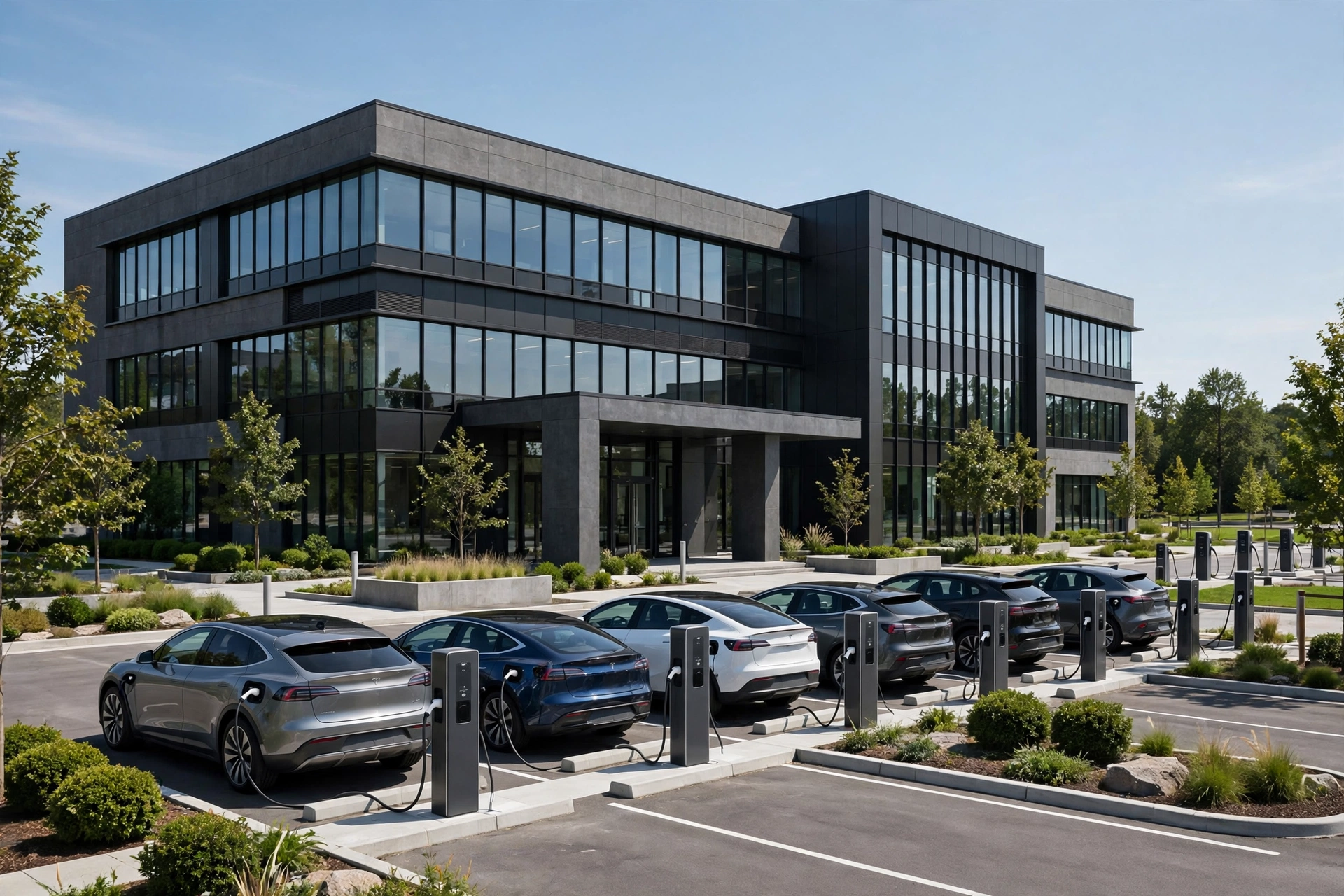
What Is Commercial EV Charging Station Installation?
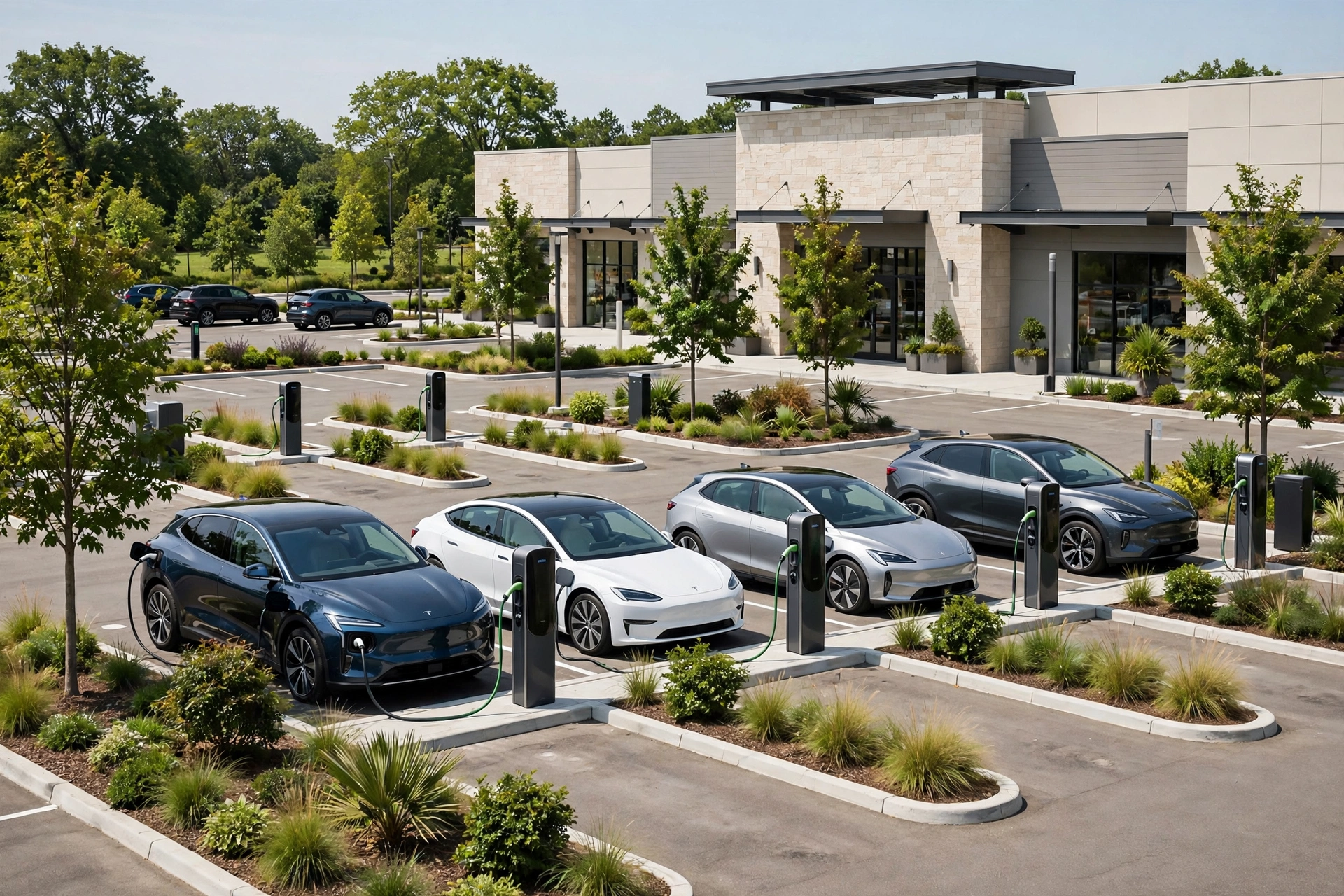
It's the design and installation of EV charging infrastructure for businesses and shared properties: multiple charging ports in a parking lot or garage, wired from your building's electrical service, with the management layer that makes commercial charging work — access control (who can charge), billing (how sessions are paid for), and load management (how total power is shared across ports so you don't need a massive service upgrade).
Unlike a home install, commercial projects start with a site assessment: your existing electrical service size, panel and transformer capacity, parking layout, trenching distances, ADA-accessible space requirements, and how many ports you need today versus in three years. Orlando's newer developments increasingly face EV-ready building expectations, and getting conduit in the ground during construction or repaving is dramatically simpler than trenching a finished lot later.
"We'll Add Chargers Later" Gets Expensive
Every month, more EVs hit Orlando roads — commuters on the 408, tourists heading to the parks, delivery fleets running the metro. For a workplace, that means employees asking when chargers are coming. For retail and hospitality, it means EV drivers picking the competitor with charging over you. For apartments and condos, it's becoming a leasing question, not a perk.
The trap is timing. Running conduit and upsizing electrical capacity during new construction or a parking-lot repave is straightforward. Doing it after the fact means cutting concrete, trenching an active lot, and working around tenants — the same ports, far more disruption. And commercial electrical services have hard limits: a 10-port Level 2 layout without load management can demand more amperage than your building has, triggering a service upgrade you could have avoided with smart power sharing.
A Charging Layout Built for Your Property
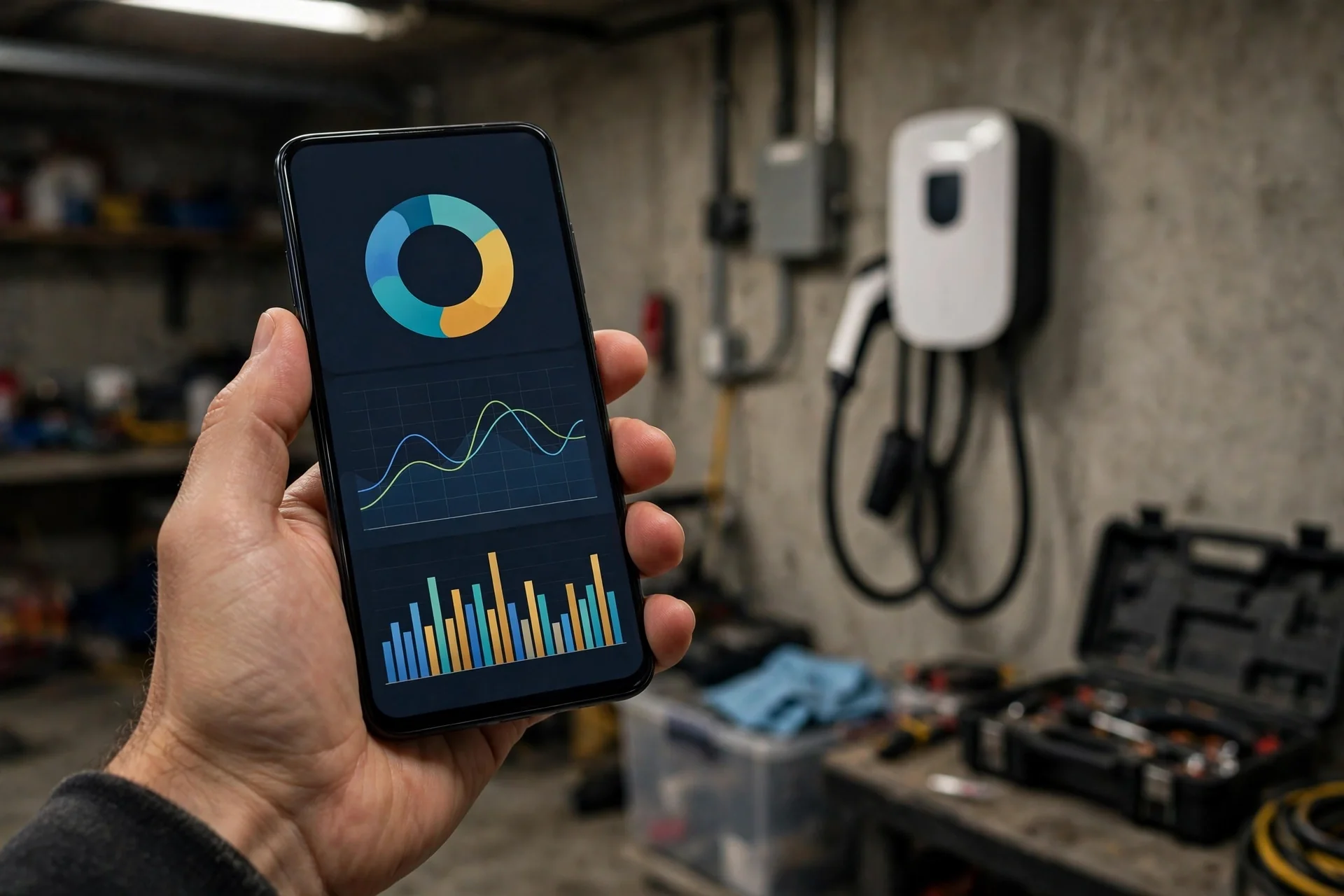
We design commercial charging around three things: your electrical reality, your parking reality, and your growth plan. Load management lets multiple ports share available power dynamically — ten ports don't need ten full circuits' worth of service. Access control decides whether chargers are employee-only, customer-facing, or public. And networked stations handle billing, usage reporting, and remote monitoring, so you're not managing chargers with a spreadsheet.
The result is infrastructure that works on day one and scales: start with the ports you need, with conduit and capacity roughed in for the ports you'll add next year.
Level 2 or DC Fast Charging? Match the Charger to Dwell Time
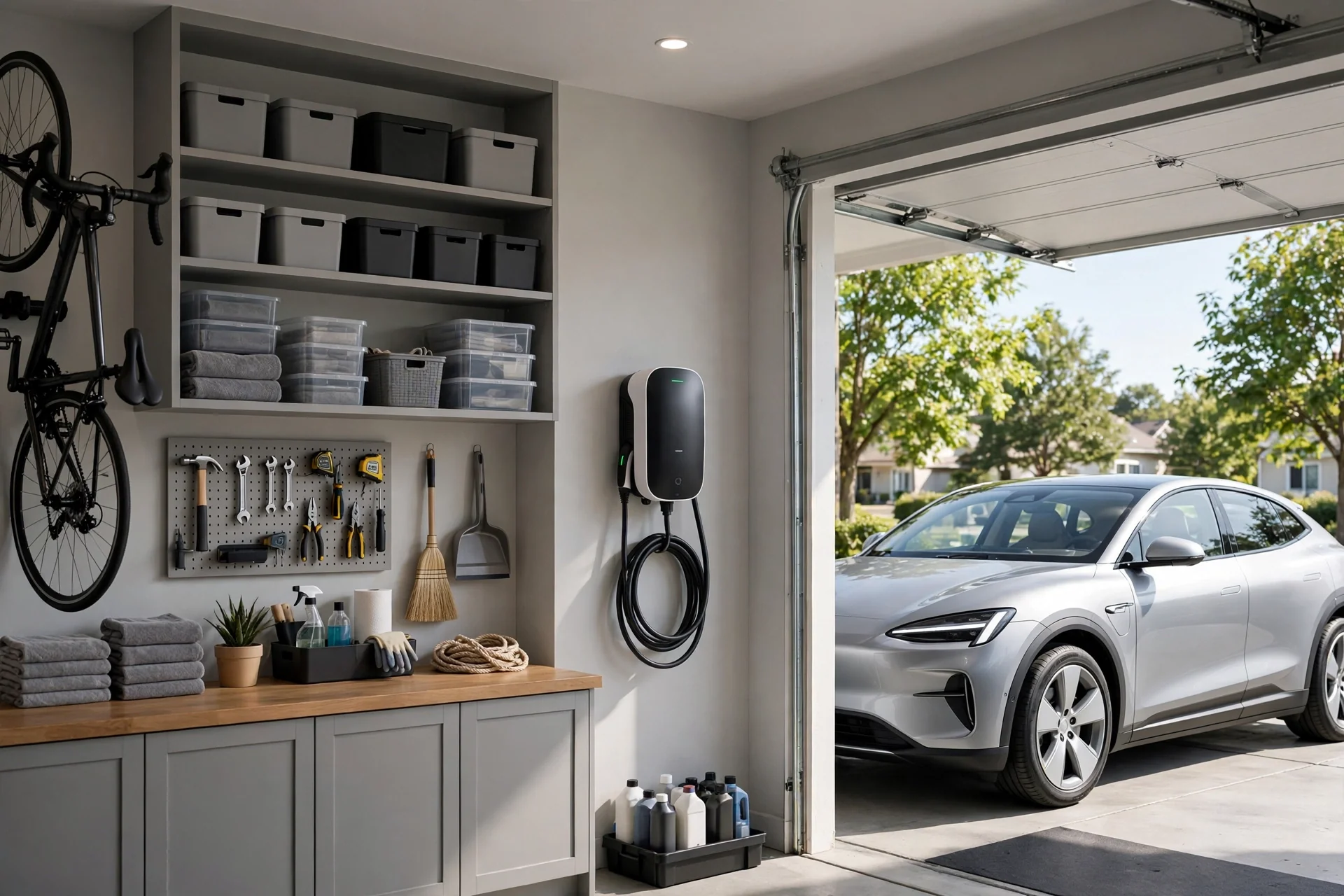
The first design decision in any commercial EV charger installation is charger type, and the right answer comes from how long vehicles stay parked — not from picking the fastest hardware on the market.
Level 2 stations (208/240V AC) suit dwell times measured in hours: employees parked for a full workday, hotel guests overnight, residents in multifamily garages, diners and shoppers staying an hour or more. They draw modest power per port, work well with load management, and in many cases run on a property's existing electrical service. For most Orlando workplaces, hotels and apartment communities, Level 2 is the correct default.
DC fast chargers suit quick-turn sites — highway-adjacent retail, convenience stops, fleet depots on tight rotations — where vehicles stop briefly and leave. They need far more electrical infrastructure: high-capacity three-phase service, dedicated equipment space, and early utility coordination, and their peak demand is exactly what load planning has to account for. Specifying DC fast charging where cars park all day buys speed nobody uses and infrastructure costs you feel for years.
Most properties land on Level 2 for the bulk of their ports, with DC fast charging added only where the dwell pattern genuinely justifies it. The site assessment maps your parking and dwell patterns to the charger mix before anything is specified — see also how we approach Fleet EV Charging Installation when the vehicles are your own.
How It Works
1. Site assessment and electrical review
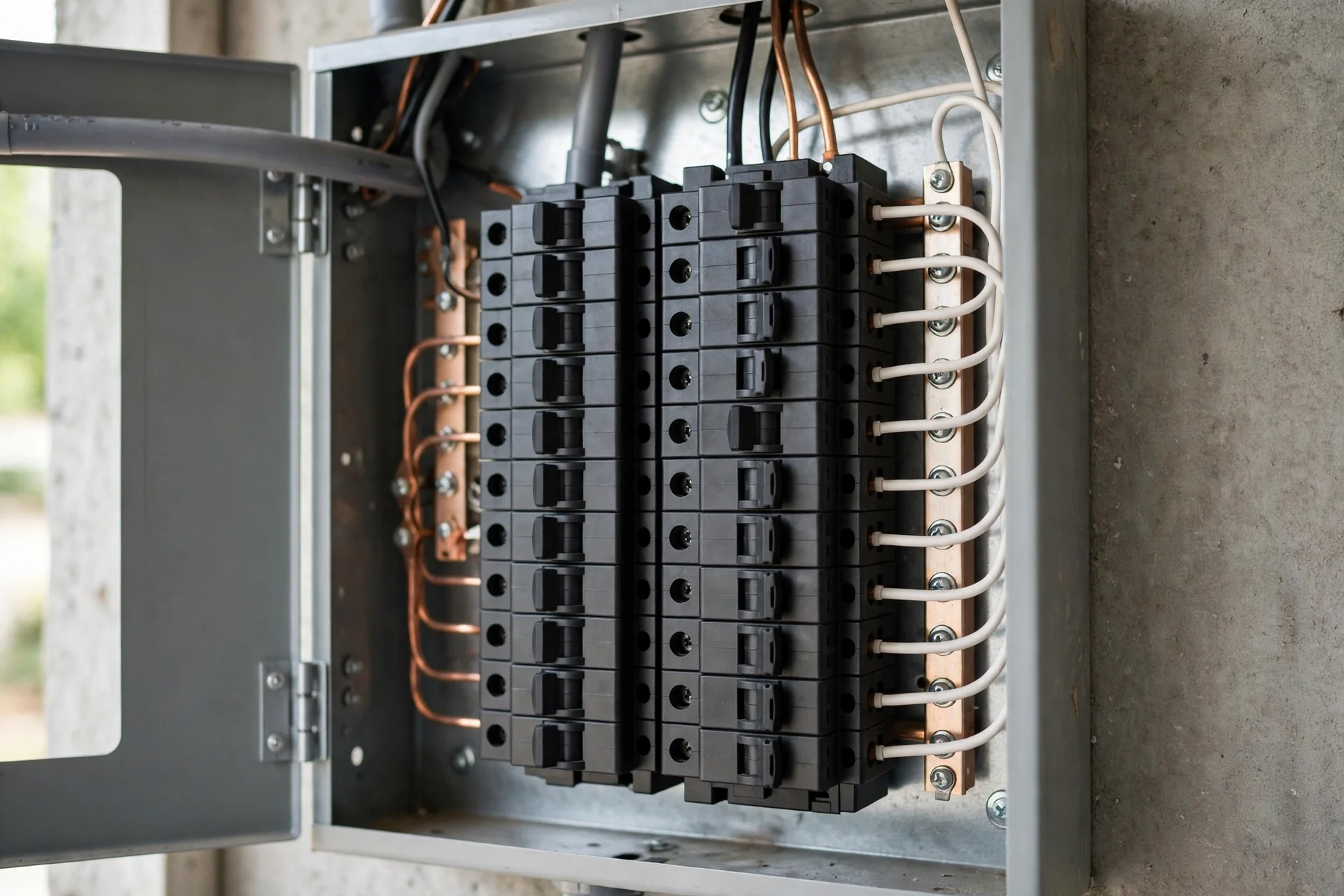
We walk the property, review your electrical service and panel capacity, map parking layouts and trenching routes, and discuss how many ports you need now and later.
2. System design and load planning
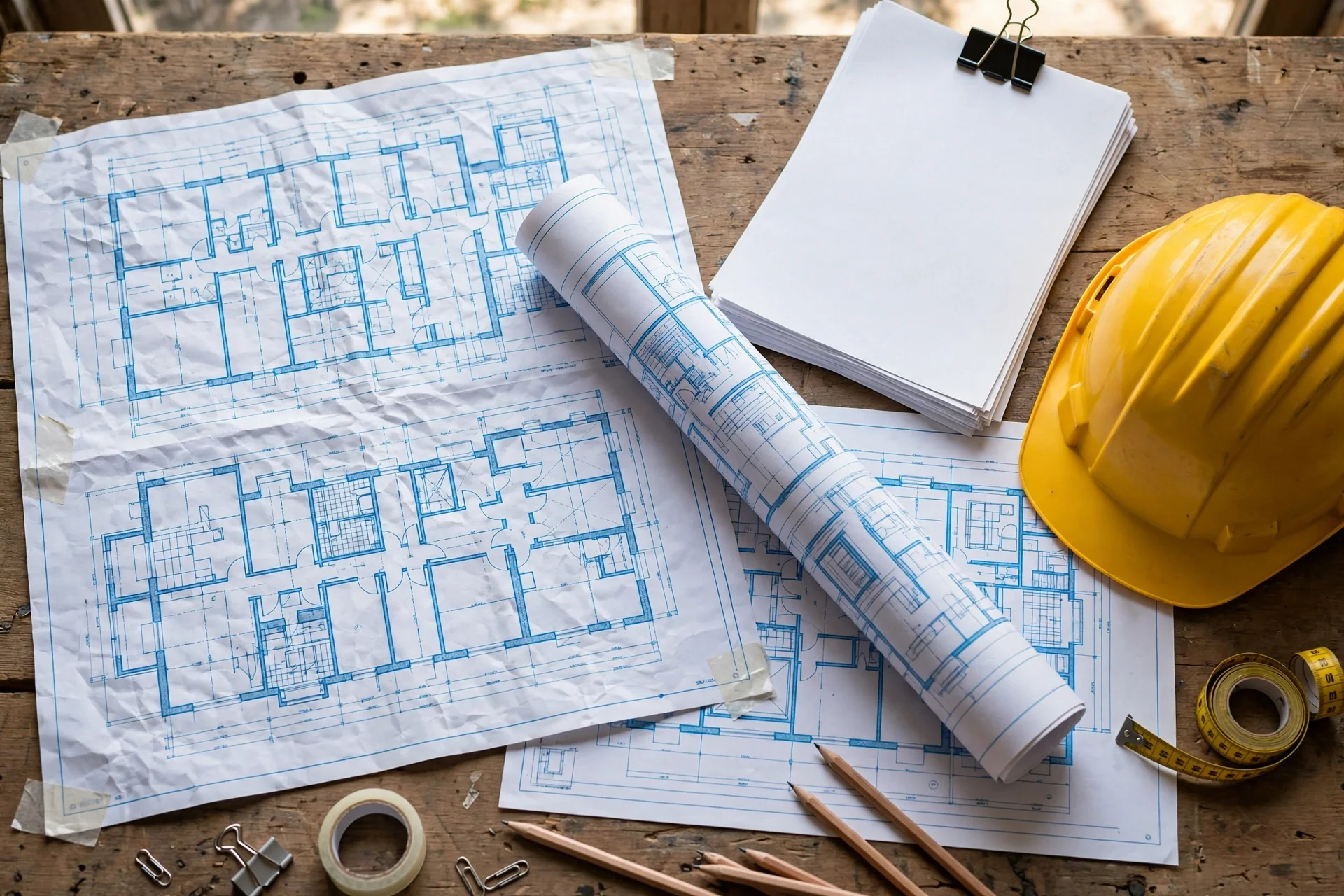
You get a layout: charger locations, circuit sizing, load-management strategy, access/billing approach, and permit requirements. We design for your current service where possible to avoid unnecessary upgrades.
3. Permitted installation
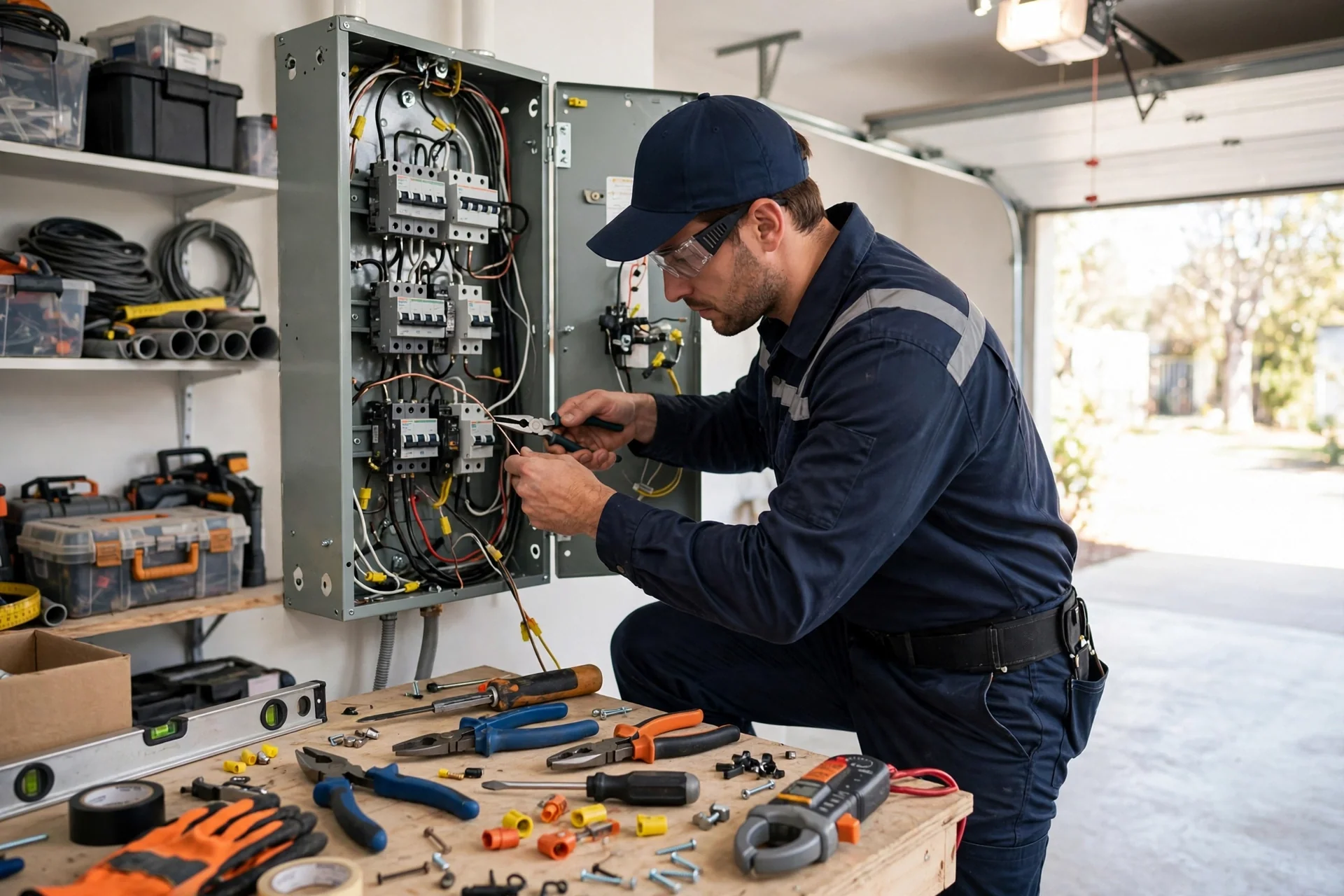
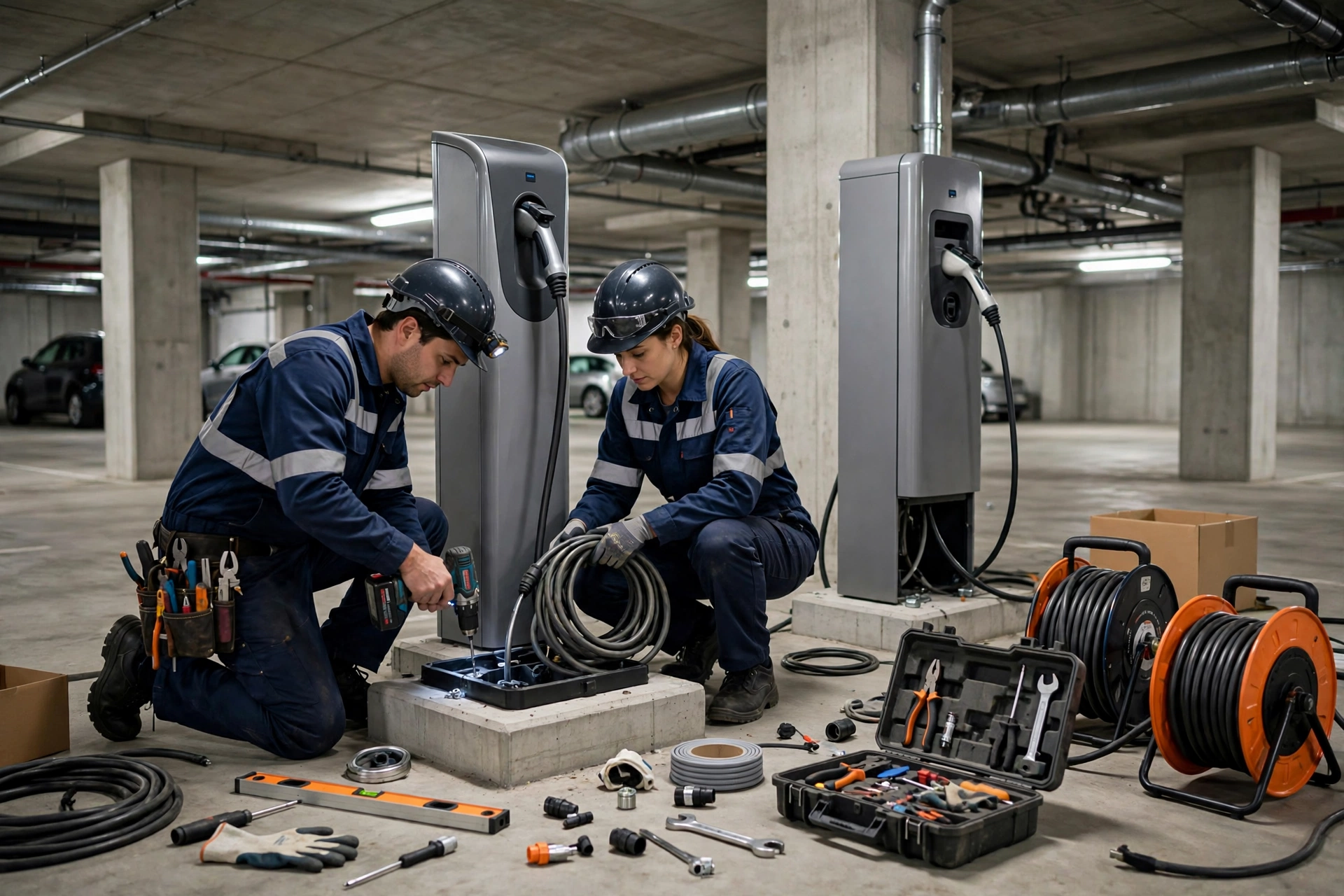
We pull commercial electrical permits, run conduit and wiring (trenching where needed), set pedestals or wall mounts, install disconnects and signage, and wire every port to code.
4. Commissioning and handover
Each station is tested under load, connected to its network for billing and monitoring, and configured for your access rules. Your facilities team gets a walkthrough of the management dashboard and basic troubleshooting.
Why Choose Us for Commercial EV Charging
- Qualified commercial electricians experienced with multi-port EVSE layouts, not just single home chargers
- Load calculation and load management design — we size the system to your service so you avoid oversized upgrades
- Permits handled — commercial permits, inspections, and utility coordination in Orlando and surrounding counties
- Code-compliant installations — NEC Article 625, proper disconnects, bollard protection, ADA-accessible placement guidance
- Orlando local expertise — we work with Central Florida property managers, builders, and business owners regularly
- All major commercial charger brands — ChargePoint, Blink, EVBox, Wallbox, Tesla commercial units, and universal platforms
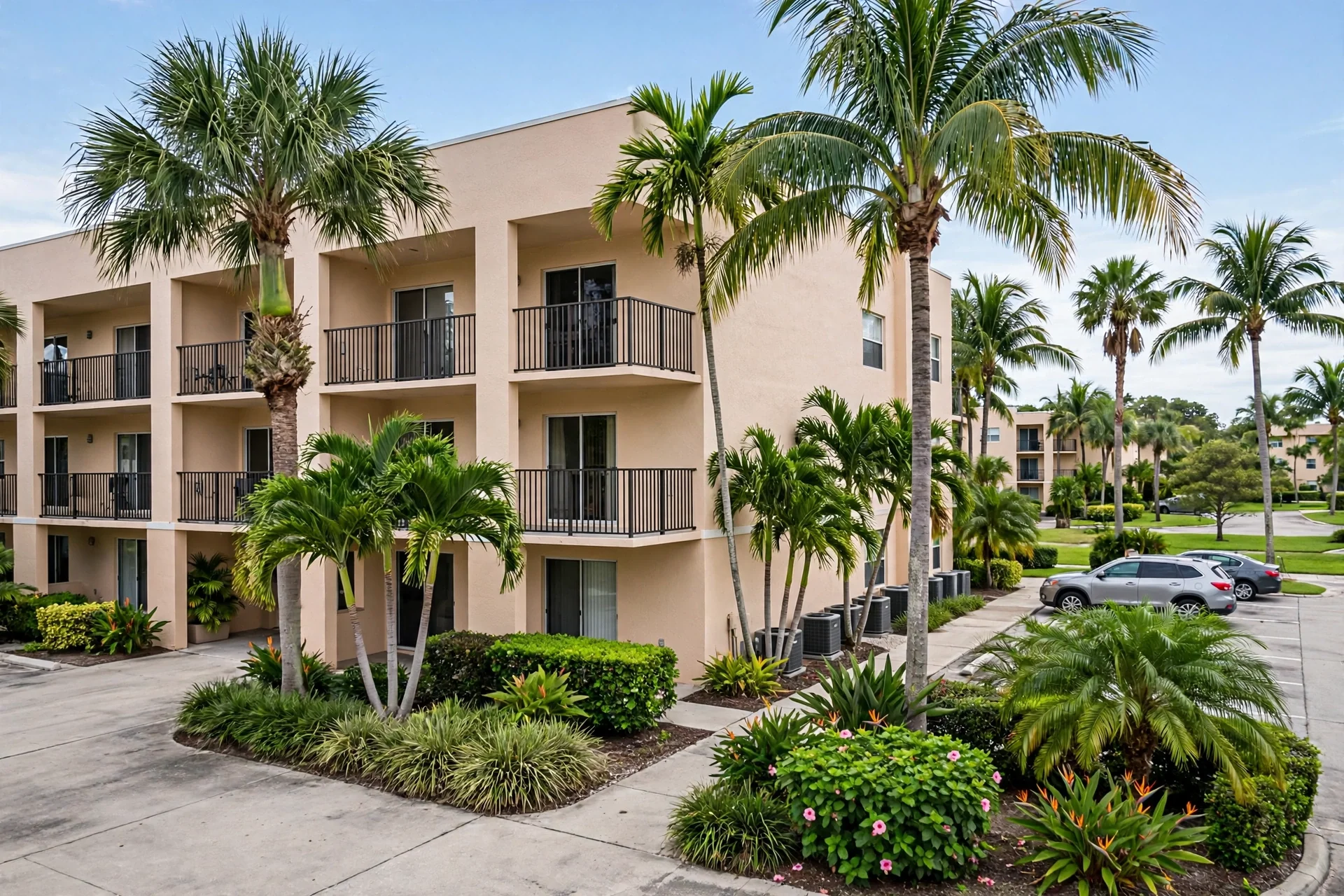
EV Charging for Condos and Apartment Communities: Networked Stations That Pay Their Way
Condo and multi-unit properties are their own category — and the fastest-growing commercial question we get. "Condo EV charger installation" sounds like a homeowner job until the realities land: the parking is shared or deeded, the electrical room serves the whole building, and somebody has to pay for the electricity each resident uses.
The working model for communities is networked charging with load sharing:
- Networked stations with payment software. Each driver activates a session with an app or RFID card; the network meters the energy per session and bills the driver (or their unit) directly, or reports usage to the association for billing. The association is not gifting electricity, and residents are not stealing it — the software settles it per session.
- Load sharing across the group. Instead of sizing the building's service for every station at full power at once, the stations share a managed power pool — when three cars charge, they split; as cars finish, the rest speed up. For overnight resident charging, where cars sit 10+ hours, shared power fully charges everyone without a service upgrade in most buildings.
- Assigned vs. shared ports. Deeded spaces can get dedicated stations billed to the unit; guest or common-area ports run as shared, pay-per-session stations. Many communities do both: assigned stations for owners who opt in, a small shared bank near the entrance for everyone else.
- Phasing and the Florida condo context. Start with a load study of the building's service and spare capacity, install make-ready infrastructure (conduit and panel capacity) for more ports than you energize on day one, and let adoption drive the later phases. Florida law gives unit owners defined rights to install charging within their own spaces, subject to association conditions — the load study and a written plan are what get board approval moving.
If your board or property manager is at the "is this even feasible" stage, the feasibility answer comes from the load study, not from a charger catalog. Our Florida HOA and condo EV charging rights guide goes deeper on the approval process, and fleet charging covers the depot version of the same load-sharing idea.
Commercial Properties We Serve
Office buildings and workplaces · Retail centers and restaurants · Hotels and resorts · Apartment and condo communities · Medical and professional campuses · Parking garages and lots · Municipal and fleet facilities
Serving Greater Orlando: Downtown Orlando 32801 · Winter Park 32789 · Lake Nona 32827 · Dr. Phillips 32819 · Altamonte Springs 32714 · Winter Springs 32708 · Kissimmee 34741 · Windermere 34786 · Oviedo 32765
When a station goes down, uptime matters as much as the install did — our commercial charger repair and maintenance service covers the same properties and keeps shared chargers earning their keep.
Frequently Asked Questions
What is EV charger load management for commercial properties?
Load management is software and hardware that shares your building's available electrical capacity across multiple charging ports in real time. Instead of each port demanding full power simultaneously, the system balances output — so a property with limited service can run more ports without a costly service upgrade. It's the difference between installing four ports and installing twelve on the same panel.
Can employees charge different EV brands on the same commercial stations?
Yes. Commercial stations use the universal J1772 connector (or NACS on newer units), which works with virtually every EV sold in the US — Tesla drivers use the adapter that comes with their car, or you can specify NACS-native stations. Mixed fleets and public-facing sites should plan for both connector types during design.
Do I need a dedicated electrical service for commercial chargers?
Not necessarily. Many commercial properties can support a first phase of chargers on existing service once a load study confirms spare capacity — especially with load management. Larger buildouts may need a new service or transformer upgrade, which involves utility coordination (OUC, Duke Energy, or FPL depending on your Orlando location). The site assessment answers this before you commit.
What should apartment buildings consider before installing EV chargers?
Three things: electrical capacity in the garage or lot, how parking is assigned (deeded vs. shared spaces changes the design), and how billing works (submetering or networked billing so the HOA isn't eating electricity costs). Florida condo law protects individual owners installing in their own spaces, but common-area commercial stations are an association decision — we design for both scenarios.
Are there tax credits or incentives for commercial EV charger installation?
Federal and state incentive programs for EV charging infrastructure change frequently — commercial installations have historically qualified for federal tax credits, and Florida utilities periodically offer EV programs. Because programs and eligibility shift, we recommend checking current IRS guidance and your utility's (OUC, Duke, or FPL) business programs before planning. We design installations to meet the technical requirements these programs typically specify.
How do commercial chargers handle access and billing?
Networked commercial stations manage it through software: RFID cards, mobile apps, or credit-card readers control who can start a session, and the network handles per-kWh or per-session billing, usage reports, and remote diagnostics. You set the pricing model — employee-only access, paid public charging, or validated customer sessions — and the system enforces it.
Do you have to pay to use an EV charging station?
That is up to the property owner. Networked commercial stations can be set up for paid charging by the kWh or by the session, for free charging as an amenity, or for restricted access where only employees or tenants can start a session at no charge. The station software enforces whichever model the owner chooses, and it can differ by station or by time of day on the same property.
How much does it cost to install a commercial EV charging station?
Commercial cost is driven by scope: how many ports you install, how much spare capacity your electrical service has, trenching and concrete work to reach the parking area, whether a service upgrade or transformer work is needed, and the networked hardware and software you choose. A phased buildout — conduit and capacity for future ports installed while the lot is open — usually controls long-term cost better than adding one station at a time. A site assessment is the first step to a real scope.
How long does a commercial EV charger installation take from assessment to switch-on?
The schedule is driven by scope, not by the chargers themselves: permit review time with the city or county, any utility coordination if your service needs work, and the construction involved in reaching your parking — trenching across a finished lot takes longer than mounting on a garage wall next to the panel. Small wall-mounted projects move fastest; multi-port lot buildouts with trenching and possible service work take the longest. The site assessment produces a realistic sequence for your property before you commit, and phasing the work (below) can put the first ports live while later phases are still in permitting.
Can we phase a commercial EV charger installation over multiple budget years?
Yes — and for many properties it is the smartest structure. Phase one installs the electrical capacity and conduit runs for the full layout while the ground or garage is already open, but only fits out the ports you need now. Later phases then become simple port additions on infrastructure that already exists, instead of new construction each time. The design stage maps the full layout up front precisely so phasing does not paint you into a corner.
How does condo EV charger installation work for shared parking garages?
In two layers. The association layer is the shared infrastructure — capacity brought to the garage, a bank of networked stations, and billing that assigns each session's cost to the right unit, which Florida's condo EV rules are built to support. The individual layer is a single owner installing in a deeded space, which follows its own protected process. We design for both: an assessment reads the garage's existing service first, because in older Orlando condo towers the electrical room, not the parking level, is where the project is decided.
What should I look for when comparing EV charging station installation companies in Orlando?
Four things separate a charging project from a charger purchase. First, a load study before a quote — any company that prices ports without reading your service is guessing. Second, permit and utility coordination handled in-house, since commercial timelines live and die there. Third, a layout designed for your dwell pattern — workplace, retail and hospitality charging are different products. Fourth, phasing built into the design, so the second bank of ports is an addition, not a rebuild. Ask each company how it handles those four and the comparison makes itself.
Plan Your Commercial Charging Project
Talk to a qualified electrician about your property's capacity, layout, and phasing — before the next repave or buildout makes it harder.
Back to EV Charger Installation Orlando