TL;DR
Problem: Search "Florida EV charger rebates" and you get a mess of outdated articles, programs from other states, and incentives described years after they changed. Homeowners either miss real money or chase programs that do not exist.
Solution: The picture in late 2026, verified against utility and tax sources: the federal 30C credit still covers chargers placed in service through June 30, 2026 in eligible census tracts, then ends. Duke Energy Florida pays a Charger Prep Credit of up to 819 dollars toward electrical prep work. Kissimmee Utility Authority pays 100 dollars toward a home Level 2 charger. OUC's 200-dollar incentive is for buying or leasing the electric car itself, not the charger. FPL's EVolution Home rents you a charger and installation for a monthly subscription instead of a rebate. Florida has no statewide EV charger rebate.
When to call: Incentives reward work done right — permitted, inspected, and documented with itemized invoices. Plan the installation properly and the paperwork gets easier: Call Now.
Quick Answer: What EV Charger Incentives Exist in Florida Right Now?
Five things are real in Central Florida in late 2026. First, the federal Alternative Fuel Vehicle Refueling Property Credit (Section 30C) covers 30 percent of a home charger's cost, up to 1,000 dollars per charger, for chargers placed in service through June 30, 2026 at homes in eligible low-income or rural census tracts — it is claimed on IRS Form 8911. Second, Duke Energy Florida's Charger Prep Credit pays up to 819 dollars toward the electrical work a charger needs, and its Off-Peak Charging Credit pays 7.50 dollars a month. Third, Kissimmee Utility Authority pays a 100-dollar rebate for a Level 2 home charger installed by a licensed electrical contractor. Fourth, OUC does not offer a home charger rebate — its 200-dollar incentive applies to purchasing or leasing an electric vehicle. Fifth, FPL's EVolution Home program installs and maintains a charger for a monthly subscription (currently 36 dollars a month for full installation, 27 dollars equipment-only) instead of an upfront purchase. Florida itself has no statewide charger rebate, so the check that matters is always your own utility's program page.
1. The Federal 30C Tax Credit: Live Through June 30, 2026, Then Over
The Alternative Fuel Vehicle Refueling Property Credit (Internal Revenue Code Section 30C) is the main federal incentive for home EV charger installation, and its rules changed under the 2025 tax law (the One Big Beautiful Bill Act). The credit now terminates for property placed in service after June 30, 2026 — so a charger installed and placed in service on or before that date can still qualify, and one installed after it cannot.
Key facts, stated carefully:
- It covers 30 percent of the cost of the charger and its installation, up to 1,000 dollars per charger for a home installation.
- Your home must sit in an eligible census tract — a low-income community tract or a non-urban rural tract under the IRS maps. A large share of homes do not qualify, so check your address against the IRS eligibility guidance before counting on the credit.
- The credit is claimed on IRS Form 8911 when you file the tax return for the year the charger was placed in service.
- Because it is a tax credit (not a rebate check), using it requires sufficient tax liability. A tax professional can tell you in five minutes whether you qualify.
- Commercial installations had a separate, larger track under 30C with prevailing-wage and apprenticeship conditions; it ends on the same June 30, 2026 date.
The practical takeaway: keep every receipt — the charger purchase, the electrician's itemized invoice, the permit fee. Documentation is everything when you claim, and the June 30, 2026 deadline makes installation timing a real planning factor this year. If your home falls in an eligible tract and you were going to install anyway, installing before the deadline is worth real money.
2. Duke Energy Florida: Charger Prep Credit up to 819 Dollars
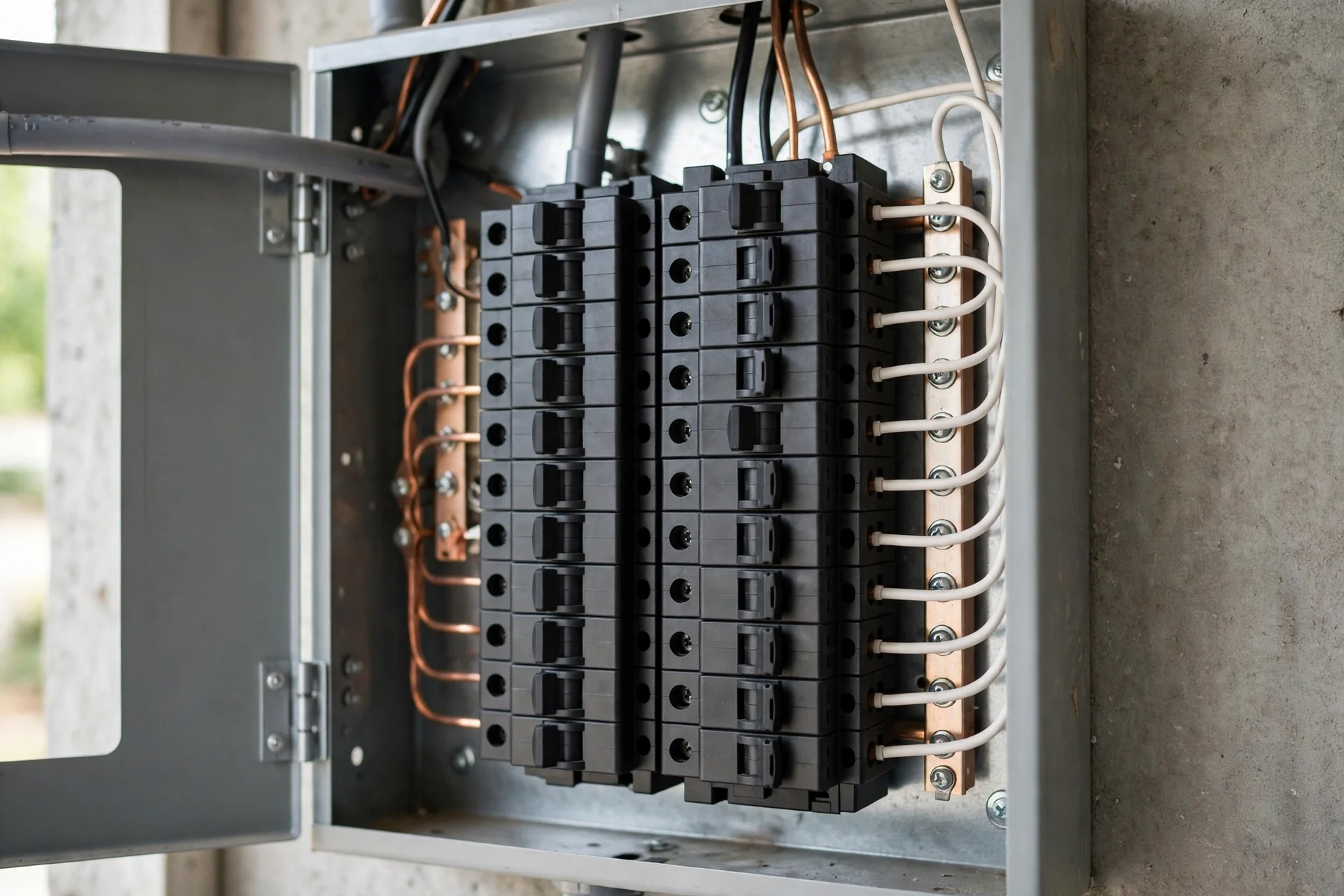
If Duke Energy Florida serves your home — true for much of Seminole County, parts of Orange and Osceola counties, and communities like Winter Park's Duke-served pockets, Apopka, and Winter Springs — its Charger Prep Credit is the largest utility incentive in the metro area. It pays up to 819 dollars per charger toward the electrical preparation work a home charger needs: the wiring, conduit, and panel work behind the wall.
What it does and does not cover:
- It covers electrical prep work — the circuit and panel side of the job.
- It does not cover the charger hardware itself or permit fees.
- To claim it, Duke requires an approved final permit and an itemized, paid invoice for the work — one more reason the permit is not optional paperwork.
- Duke also runs an Off-Peak Charging Credit of 7.50 dollars a month for charging during off-peak hours, which rewards the overnight charging habit most home charging already follows.
Program terms and enrollment windows change, so confirm the current credit amount and requirements on Duke Energy Florida's own EV page before you schedule work. Our electrical panel upgrade page explains the prep work this credit is aimed at.
3. OUC: No Charger Rebate — the 200 Dollars Is for the Car
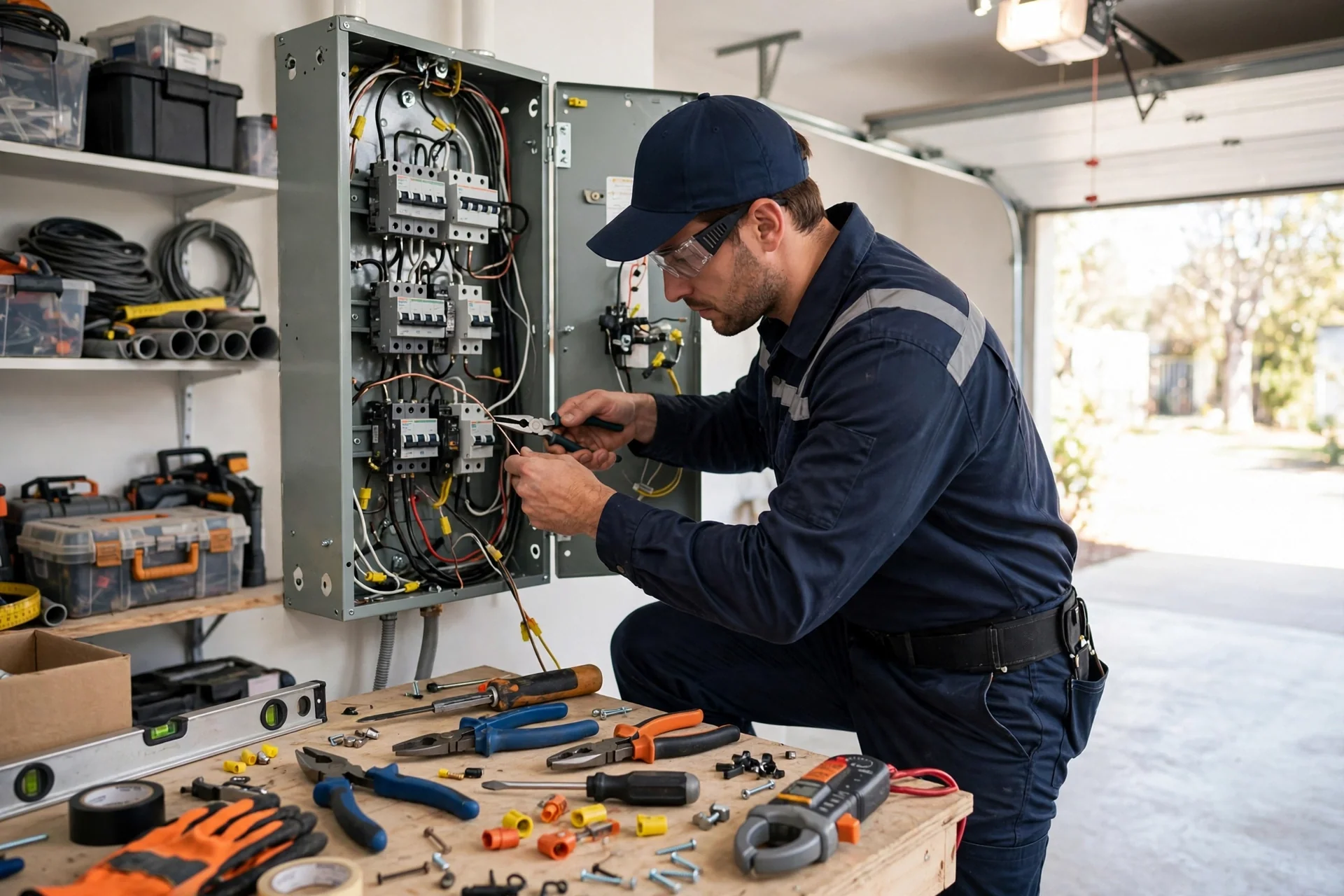
Orlando's own utility, the Orlando Utilities Commission (OUC), is the source of the most repeated misunderstanding in local EV incentive articles. OUC's 200-dollar incentive is a rebate for purchasing or leasing an electric vehicle — it is not a charger rebate, and OUC does not currently offer a separate rebate for installing a home charger.
What OUC does offer on the charging side is commercial: its charging-as-a-service programs (businesses can have OUC own and operate chargers on their property for a monthly fee) and public charging infrastructure. For a homeowner in OUC territory, the honest incentive list is the federal 30C credit if your census tract qualifies, plus whatever you save by charging at home instead of at public fast chargers. That is still a strong case — it is just not a rebate check, and any article promising you an OUC charger rebate is working from old or wrong information.
4. Kissimmee Utility Authority: 100 Dollars Toward a Home Charger
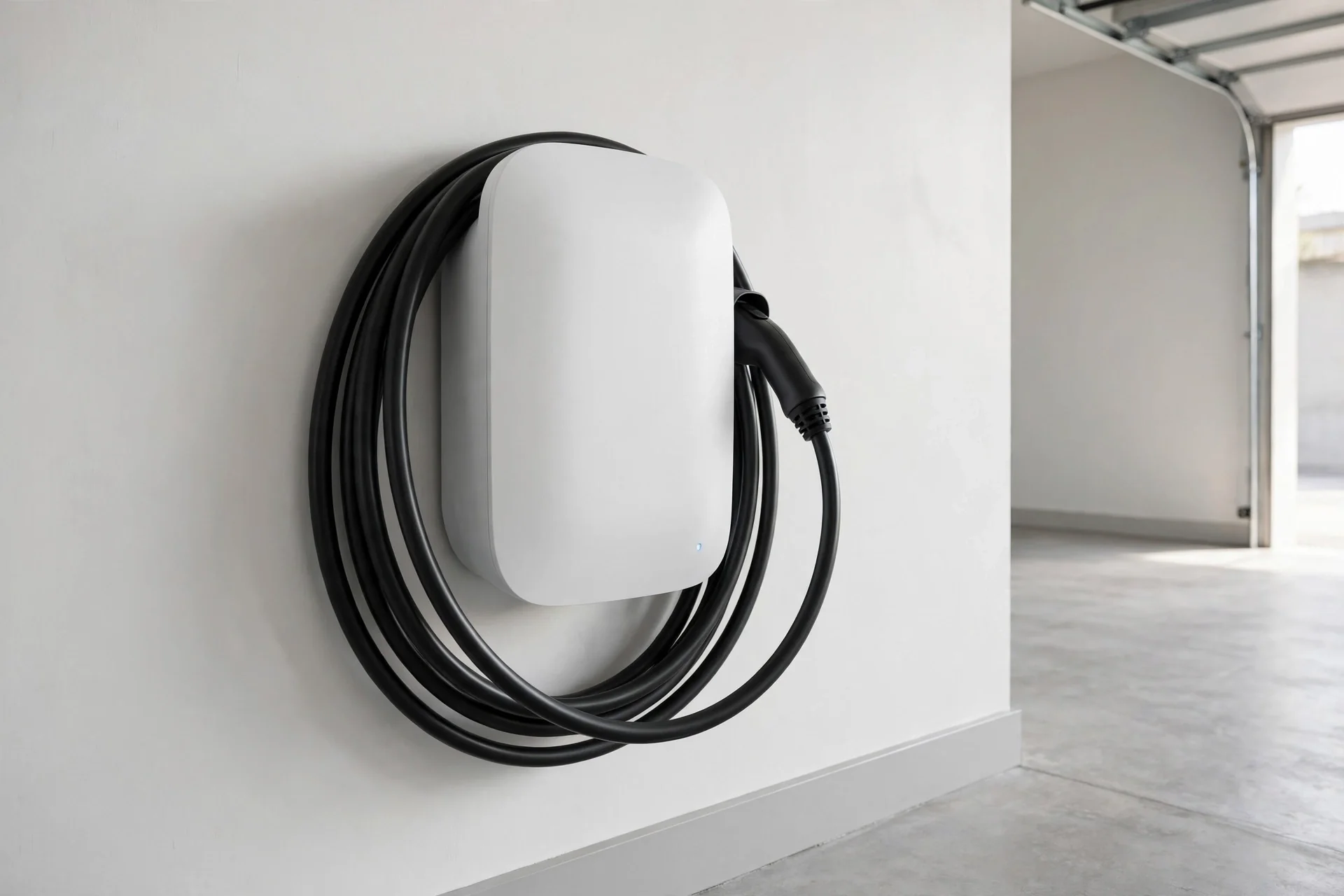
Kissimmee homeowners served by Kissimmee Utility Authority (KUA) have a smaller but real incentive: a 100-dollar rebate for installing a Level 2 charger at home, with the condition that the charger is installed by a licensed electrical contractor. KUA has also offered a separate 100-dollar incentive toward an EV purchase. One hundred dollars does not change the economics of an installation, but it is free money for a job you were hiring out anyway — and the licensed-contractor condition aligns with how the work should be done regardless.
5. FPL Programs: EVolution Home Is a Subscription, Not a Rebate
FPL (Florida Power & Light) serves the metro's eastern and southern edges, and it runs the most-discussed EV program in Florida: EVolution Home. Under the current regulated rate (RS-2EV), FPL provides the charger — a Level 2 unit delivering up to 40 amps, about 9.6 kilowatts — handles the installation, and bundles it into a monthly subscription: currently 36 dollars a month for the full installation version or 27 dollars a month for the equipment-only version, on a 10-year agreement, with off-peak energy priced far below on-peak (roughly 7 cents versus 28 cents per kilowatt-hour, subject to change). An earlier FPL plan offered unlimited off-peak charging for a flat monthly amount; that legacy plan continues for the customers already on it but is not the current offer for new sign-ups.
Whether EVolution beats buying your own charger depends on your driving, how long you will stay in the home, and how you feel about a decade-long agreement for a charger you never own. We compare them in detail in our FPL EVolution Home Program guide.
6. What Florida Does NOT Have
Clearing this up saves people real disappointment: Florida has no statewide EV charger rebate or state tax credit for residential charger installation. Articles still floating around reference expired programs, or confuse Florida with states like California or New York that do have state-level incentives.
Be equally skeptical of:
- "Free charger" offers that turn out to be the FPL EVolution subscription (not free — a monthly fee with a 10-year agreement).
- Rebate aggregators listing Florida programs that expired or never existed — always click through to the utility or agency source and check the date.
- Social media ads promising government money for EV chargers with no specifics. Real programs name the agency, the form number, and the eligibility rules.
- An OUC home charger rebate — as covered above, OUC's 200 dollars is for the vehicle, not the charger.
7. Commercial and Workplace Incentives
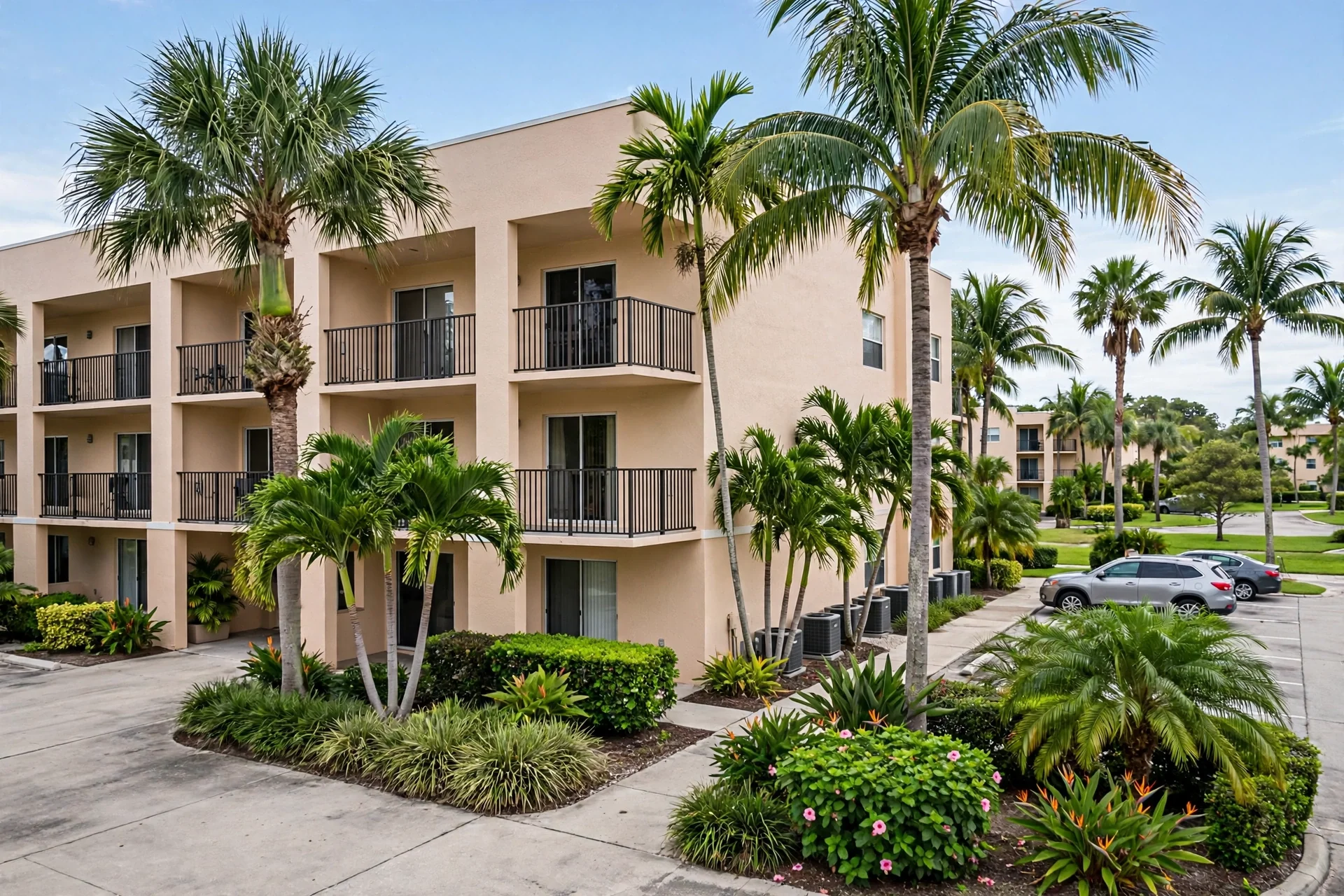
Businesses had a separate track under Section 30C with higher caps than residential — relevant for workplaces, fleets, apartment buildings, and retail sites. That commercial track ends on the same June 30, 2026 date, and it carries extra conditions (including prevailing-wage and apprenticeship rules for larger projects), so a commercial project counting on it should confirm eligibility with a tax advisor before finalizing scope.
Commercial sites should also check:
- Utility commercial EV programs — Duke, OUC, and FPL all run commercial charging offerings of different shapes, from make-ready support to OUC's charging-as-a-service model where the utility owns and operates the equipment.
- NEVI formula funding — federal highway charging money flows through FDOT; it targets corridor fast charging, not private sites, but it shapes the public network your customers use.
If you are planning commercial EV charging stations, loop in your tax advisor before finalizing the project scope — incentive eligibility can affect equipment choices. Our guides to fleet EV charging and commercial station installation cover the electrical side.
8. How to Actually Claim What's Available
A practical checklist:
- Before you buy: check your utility's current EV programs (Duke's prep credit, KUA's rebate, FPL's subscription), and check your address against the IRS census-tract maps if you are counting on the 30C credit.
- During installation: use a qualified electrician, pull the permit, and keep every invoice itemized (equipment versus labor, prep work separated out) — Duke's credit and the federal credit both live or die on this paperwork.
- After inspection: save the permit sign-off and final inspection records — Duke's Charger Prep Credit requires the approved final permit.
- At tax time: if your charger was placed in service on or before June 30, 2026 and your tract qualifies, ask your tax preparer about IRS Form 8911. After that date, there is no federal credit to claim.
- Ongoing: enroll in your utility's off-peak or time-of-use option if one fits — Duke's 7.50-dollar monthly off-peak credit is the incentive that keeps paying.
Key Takeaways
- The federal Section 30C credit (30 percent, up to 1,000 dollars per home charger) applies to chargers placed in service through June 30, 2026 in eligible census tracts, claimed on IRS Form 8911 — after that date it is over.
- Duke Energy Florida's Charger Prep Credit pays up to 819 dollars toward electrical prep work (not hardware or permits) with an approved final permit and itemized invoice, plus a 7.50-dollar monthly off-peak charging credit.
- KUA pays 100 dollars toward a home Level 2 charger installed by a licensed electrical contractor.
- OUC's 200 dollars is an EV purchase/lease rebate, not a charger rebate — OUC offers no home charger rebate.
- FPL EVolution Home is a subscription (currently 36 dollars a month full installation, 27 dollars equipment-only, 10-year agreement), not a rebate.
- Florida has no statewide EV charger rebate — verify anything that claims otherwise with the issuing utility.
FAQs
Are there federal tax credits for home EV charger installation?
Yes, with a deadline. The Alternative Fuel Vehicle Refueling Property Credit (Section 30C) covers 30 percent of a home charger's cost up to 1,000 dollars per charger, for chargers placed in service through June 30, 2026, at homes in eligible low-income or rural census tracts. It is claimed on IRS Form 8911. A charger placed in service after June 30, 2026 gets no federal credit.
Does FPL offer EV charger incentives or rebates?
FPL's main offering is the EVolution Home subscription — charger, installation, and off-peak energy bundled into a monthly payment (currently 36 dollars a month for full installation, 27 dollars equipment-only) on a 10-year agreement — rather than a rebate. Check FPL's site for current terms, as the regulated rates change.
Are there any Florida state rebates for EV chargers?
No. Florida does not currently have a statewide rebate or tax credit for residential EV charger installation. The real incentives are federal (Section 30C, through June 30, 2026, in eligible tracts) and utility-level (Duke, KUA, FPL). Treat any claim of a "Florida EV charger rebate" with skepticism until you see the issuing agency named.
What is the Duke Energy EV charger credit in Florida?
Duke Energy Florida's Charger Prep Credit pays up to 819 dollars per charger toward the electrical preparation work behind a home charger installation — wiring and panel work, not the charger hardware or permit fees. Claiming it requires an approved final permit and an itemized paid invoice. Duke also offers a 7.50-dollar monthly Off-Peak Charging Credit. Confirm current terms on Duke's EV page before scheduling work.
Do EV charger incentives apply to commercial properties?
Yes, but the clock is the same. Section 30C's commercial track (with higher caps and extra wage and apprenticeship conditions) also ends for property placed in service after June 30, 2026. Utilities run their own commercial programs — including OUC's charging-as-a-service model — so involve a tax advisor and check your utility's current commercial offerings before finalizing scope.
How do I claim the federal EV charger tax credit?
Have the charger installed and placed in service on or before June 30, 2026, confirm your home is in an eligible census tract, keep itemized receipts for the charger and installation plus your permit and inspection records, and at tax time ask your tax preparer about IRS Form 8911 and Section 30C. Because it is a credit against tax liability (not a cash rebate), confirm you have enough liability to use it.
Should I wait for new incentives before installing a charger?
Generally no — and in 2026, waiting has a specific cost: a charger placed in service after June 30, 2026 loses the federal credit entirely. Utility rebates come and go unpredictably, and every month of public fast charging while you wait is money a home charger would have saved. If your tract qualifies for 30C, installing before the deadline is the incentive strategy.
Does Florida have incentives for electric cars?
Florida has no statewide rebate for EV purchases or home chargers. What exists is utility-level: OUC pays 200 dollars toward purchasing or leasing an EV (not toward a charger), KUA has offered 100 dollars toward an EV purchase alongside its 100-dollar charger rebate, and Duke and FPL run charging programs and off-peak rates. The federal incentive that matters for most Orlando homeowners is the Section 30C charger credit, available through June 30, 2026 in eligible census tracts.
How do I claim my EV charger grant?
There is no Florida grant for a home charger, but there are three claimable pots of money depending on where you live: the federal Section 30C credit (Form 8911, chargers placed in service through June 30, 2026 in eligible tracts), Duke Energy Florida's Charger Prep Credit (up to 819 dollars toward prep work, with an approved final permit and itemized invoice), and KUA's 100-dollar charger rebate in Kissimmee (licensed-contractor installs). Check which utility serves your address first — that decides which claims are even possible.
Related Posts
- FPL EVolution Home Program Explained
- What to Expect During EV Charger Installation in Orlando
- Level 1 vs Level 2 vs Level 3 EV Charging Explained
Planning an installation? Get it permitted, inspected, and documented right the first time: Call Now
Sources: IRS Section 30C / Form 8911 guidance and the 2025 tax law's June 30, 2026 termination date; Duke Energy Florida Charger Prep Credit and Off-Peak Charging Credit program pages; KUA rebate listings; OUC EV program pages (200-dollar incentive is vehicle purchase/lease); FPL EVolution Home RS-2EV program materials. Program terms change — verify current availability with the issuing utility or agency before acting.